You ever thought about safety? Like, really thought about it? It’s kind of a big deal, isn’t it?
Este blog ofrece contenido únicamente con fines informativos, educativos y de reflexión. La información publicada no constituye consejo médico, psicológico ni psiquiátrico, y no sustituye la evaluación, el diagnóstico, el tratamiento ni la orientación individual de un profesional debidamente acreditado. Si crees que puedes estar atravesando un problema psicológico o de salud, consulta cuanto antes con un profesional certificado antes de tomar cualquier decisión importante sobre tu bienestar. No te automediques ni inicies, suspendas o modifiques medicamentos, terapias o tratamientos por tu cuenta. Aunque intentamos que la información sea útil y precisa, no garantizamos que esté completa, actualizada o que sea adecuada. El uso de este contenido es bajo tu propia responsabilidad y su lectura no crea una relación profesional, clínica ni terapéutica con el autor o con este sitio web.
We go through life with this invisible shield, right? It’s there when we walk down the street or when we hop in our cars. But safety isn’t just about avoiding accidents—which is super important, don’t get me wrong.
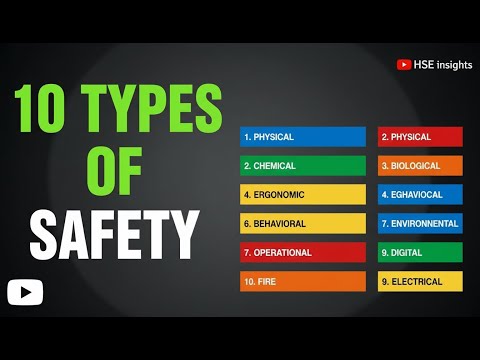
There are all these different types of safety that pop up in different places and situations. And honestly, they can totally change how we experience the world!
From our homes to our workplaces and even our online lives, safety shows up everywhere. So let’s take a closer look at what it means to be safe in every context. Sound cool? Let’s jump in!
Understanding the 5 Basic Safety Principles for a Secure Environment
Creating a safe environment, whether at home or in the workplace, is super important. You might be wondering what that really means, right? It’s all about knowing some basic principles that can help you stay secure and feel at ease. Let’s break it down into five key safety principles.
- Awareness: Always know your surroundings. This means paying attention to what’s happening around you. If you’re walking down the street, for example, notice people nearby and any potential hazards. If something feels off, trust your gut! It can save you from a tough situation.
- Access Control: Limit who can enter certain spaces. Think of it like playing a game where only certain players can join the team. At work or home, make sure doors are locked when they need to be and that strangers aren’t just wandering in without a purpose.
- Communication: Keep lines of communication open. Whether it’s asking someone to report suspicious activity or using a group chat to share updates during an emergency, clear communication is key! You wouldn’t want to play a game without knowing the rules—same goes for safety!
- Emergency Preparedness: Be ready for any emergencies. This could mean having first aid kits handy or knowing where fire exits are located. It’s like preparing for a surprise boss battle in your favorite video game – you want to have your tools ready before things heat up!
- Regular Training and Drills: Practice makes perfect! Conduct regular safety drills so everyone knows what steps to take if something goes awry. It’s similar to practicing strategies in a sports team; repetition helps everyone know their role when the time comes.
Incorporating these principles into everyday life doesn’t have to be complicated or overwhelming either! Just take little steps and stay consistent. Hey, every time you check your surroundings before leaving home or remind your friends about locking doors behind them, that’s progress!
But remember: while these tips are pretty solid basics for keeping safe, they don’t replace professional advice or tailored training from experts in security fields. So always feel free to reach out for more detailed help if needed!
Understanding the Four Types of Safety: A Comprehensive Guide
Let’s chat about something super important: the four types of safety. You might not think about safety all that often, but it impacts you every single day. We’ll break this down into bite-sized pieces, and I promise to make it as painless as possible!
Physical Safety
This one’s the most obvious. It’s about not getting hurt in your environment. Think of basic stuff like wearing a helmet when you bike or locking your doors at night. Remember that feeling when you hear a strange noise outside? You lock the window because you want to feel secure in your space, right? There’s a reason we do this; it keeps us protected from potential accidents or dangers.
Emotional Safety
Now, let’s switch gears. Emotional safety is like having a comfy blanket when things get rough. It means being able to express yourself without fear of judgment or negativity. Imagine sharing your feelings with a close friend and they just get it—no eye-rolling or interruptions! It makes such a big difference, doesn’t it? In relationships, whether they’re friendships or romance, feeling emotionally safe encourages open communication and vulnerability.
Social Safety
We’re social creatures by nature, so social safety is crucial too! It involves being accepted and respected within your community or social circle. Picture this: you join a new group at school or work. If everyone welcomes you with open arms instead of giving side-eye stares—it sets the stage for connection! When people feel socially safe, they engage more freely without worrying about being ostracized.
Cultural Safety
Cultural safety might sound fancy but hang with me here! It’s all about respecting diverse backgrounds and experiences. For example, think about playing a game that represents various cultures; everyone feels valued and included while having fun! If you’re in an environment where cultural differences are acknowledged and celebrated—you’re likely to feel more embraced and supported. This is essential for building unity in our diverse world.
So there you have it—the four types of safety: physical, emotional, social, and cultural. Each type plays its part in the overall well-being of individuals and communities alike. They don’t exist in silos; they overlap quite a bit! The more we understand them, the better we can create safe spaces for ourselves and others around us.
Remember though—this isn’t professional advice; it’s just me chatting with you like friends do over coffee (or tea—whatever floats your boat!). If you’re struggling with any kinds of safety issues in life, don’t hesitate to reach out to someone who can help!
Comprehensive Overview of Hazard Types and Real-World Examples for Risk Assessment
It looks like you’re interested in hazards and safety, which is super important! When we talk about risk assessment, understanding the different types of hazards is key. So let’s break it down so it’s easy to digest.
Physical Hazards are probably what comes to mind first. These are objects or environmental conditions that can cause harm. Think about a construction site—you know, where you see heavy machinery? Without proper safety gear, the risk of injuries is high.
- Examples: Slips, trips, falls, and being struck by objects.
- Real-world scenario: A worker on a scaffold without a harness could easily fall if they lose their footing.
Then there’s Chemical Hazards, which involve any harmful substances that can cause health issues. This could be anything from strong cleaning products in your home to toxic fumes in a factory.
- Examples: Exposure to solvents or pesticides.
- Real-world scenario: A lab worker not wearing gloves while handling chemicals may face serious health risks if those chemicals come into contact with skin.
Next up are Biosocial Hazards. These are related to biological agents that can cause illness or disease. Think bacteria, viruses, or even things like mold.
- Examples: Inadequate sanitation leading to disease spread.
- Real-world scenario: Health care workers need proper training and equipment to protect themselves from infectious diseases when treating patients.
Let’s not forget about Psychosocial Hazards. These are factors that can lead to mental health issues—like stress or workplace bullying. It’s not just physical safety we need to think about!
- Examples: Excessive workloads or lack of support from supervisors.
- Real-world scenario:
And finally, there are Ergonomic Hazards. These relate to how we interact with our environment and tools. Poorly designed workspaces can lead to strains and injuries over time.
- Examples:
- Real-world scenario:
- Real-world scenario:
Each hazard type requires different approaches for assessment and control measures—you know? If you’re working in an office vs. a construction site, your risks vary significantly!
So remember: when thinking about safety and risk assessment—it’s all interconnected! Recognizing these hazards helps create safer spaces for everyone involved. Just keep in mind that what I’ve shared here isn’t meant as professional advice but simply as information on the topic! Always consult experts for specific concerns!
Safety is one of those things that seems basic, right? Like, we all want to feel safe—whether it’s in our homes, at work, or when we’re just out and about. But here’s the kicker: there are actually different types of safety. It’s not just a one-size-fits-all situation.
Take a moment and think about your own life. You might feel safe at home because you’ve locked the doors and pulled down the shades after a long day. But when you step outside, the world gets a little murky! You could be in danger of anything from getting hit by a car to dealing with that random guy who just seems way too close for comfort.
Now let’s break it down a little. There’s physical safety, which is super straightforward—it’s about protecting yourself from bodily harm, like not wandering into traffic or ensuring your house is secure so no one can break in. It’s all about those boundaries we create to keep ourselves feeling safe and sound.
Then there’s emotional safety. This one’s tricky but really important! Think about your friendships or romantic relationships. You want to feel like you can express yourself without judgment, right? If you can’t share your feelings because you’re scared of what someone might say, that emotional safety net is kind of shredded.
And don’t forget social safety! This type involves feeling accepted in communities or groups. It’s being able to show up as your true self without facing hostility—like how welcoming it feels when you walk into an event where everyone shares similar interests.
I remember this time at a community gathering where I felt completely out of place; I mean everyone seemed to know each other already! But then someone came up to me with such warmth and invited me into their conversation. Just like that—I went from feeling anxious and vulnerable to relaxed and included! That sense of social safety can really change everything.
All this goes to show that feeling safe isn’t only about avoiding danger; it spreads widely across different areas of our lives. The more aware we are of these types, the better we can navigate our daily experiences without unnecessary stress or anxiety hanging over us like a dark cloud.
So next time you think about safety, remember it isn’t just physical locks on doors or making sure traffic lights are obeyed—it’s also those deeper connections we build with others and how they help us thrive in everyday life. How cool is that?