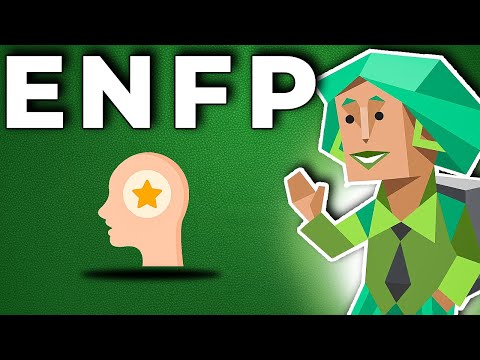
You know those people who light up the room just by walking in? That’s the ENFP vibe.
Este blog ofrece contenido únicamente con fines informativos, educativos y de reflexión. La información publicada no constituye consejo médico, psicológico ni psiquiátrico, y no sustituye la evaluación, el diagnóstico, el tratamiento ni la orientación individual de un profesional debidamente acreditado. Si crees que puedes estar atravesando un problema psicológico o de salud, consulta cuanto antes con un profesional certificado antes de tomar cualquier decisión importante sobre tu bienestar. No te automediques ni inicies, suspendas o modifiques medicamentos, terapias o tratamientos por tu cuenta. Aunque intentamos que la información sea útil y precisa, no garantizamos que esté completa, actualizada o que sea adecuada. El uso de este contenido es bajo tu propia responsabilidad y su lectura no crea una relación profesional, clínica ni terapéutica con el autor o con este sitio web.
Bold, creative, and full of life! If you’ve ever wondered what makes this personality type tick, you’re in for a treat.
These free spirits are often bubbling with ideas and passion. Seriously, they can turn a mundane chat into something epic.
But there’s more to them than just their charisma. They have some pretty unique traits that drive their thoughts and actions.
Curious yet? Let’s break down what really makes an ENFP shine!
Understanding the 4 Key Functions of ENFP Personality Types
ENFPs are quite the lively bunch! They’re known as the “Campaigners” in the Myers-Briggs world. What makes them tick? Let’s break down their personality by exploring their four key functions. These functions shape how they see the world and interact with people, and trust me, they’re fascinating!
First up is **Extraverted Intuition (Ne)**. This is like their superpower! ENFPs love to explore new ideas and possibilities. Picture a kid in a candy store—everything’s exciting! When confronted with situations, they often leap into brainstorming mode, thinking about all the “what ifs.” They can see connections that others might miss. Say you’re playing a game with them; they might come up with wild strategies that sound zany but could actually work.
Then we have **Introverted Feeling (Fi)**. This function dives deep into their emotions and values. ENFPs tend to be deeply empathetic, often picking up on how you feel even without you saying a word. It’s kind of like being a walking emotional radar! They care about authenticity and are usually driven by what resonates with them personally. I remember one of my friends who’s an ENFP once spent hours discussing why he felt so strongly about supporting local artists rather than big corporations—it all comes down to values for them.
Next is **Extraverted Thinking (Te)**. You might think this sounds contradictory to their free-spirited nature, but it actually balances everything out! This function helps ENFPs bring structure to their ideas and plans, making sure they’re not just floating around aimlessly. They love organizing thoughts or projects when they’re passionate about them. For example, if an ENFP decides to run an event, you can expect spreadsheets and schedules alongside their fun creative vibes!
Finally, we have **Introverted Sensing (Si)**. This one helps them draw from past experiences while navigating new situations. It’s not always front and center for ENFPs since they thrive on novelty but it plays a role in grounding them every once in a while. Think of it as revisiting your favorite childhood game; it brings back those warm fuzzy feelings that give context to today’s adventures.
So let’s recap:
- Extraverted Intuition (Ne): Explores ideas and possibilities.
- Introverted Feeling (Fi): Guides values and emotions.
- Extraverted Thinking (Te): Organizes thoughts into structure.
- Introverted Sensing (Si): Connects past experiences with present actions.
These four functions create a rich tapestry for ENFP personalities—they’re charismatic idealists who inspire others with their zest for life! Remember though; while this info provides valuable insights into the ENFP type, it isn’t meant to replace professional guidance if you need help figuring things out emotionally or psychologically.
In essence, understanding these functions can help you appreciate the quirks of your friendly neighborhood ENFP even more! Cool right?
Understanding the Biggest Flaw of ENFPs: Insights into Their Challenges
ENFPs, those captivating and energetic souls, bring a lot of passion and creativity to the table. But even the brightest stars have their flaws. So, what’s the biggest challenge for ENFPs? Well, it’s often their struggle with follow-through.
You know how in a game you start with loads of energy, exploring every corner and trying all sorts of strategies? ENFPs are like that when it comes to ideas. They get super excited about new projects but can easily lose steam before finishing them. It’s not that they don’t care; it’s just that their enthusiasm can scatter like confetti.
Here are some key points about this tendency:
- Over-commitment: They say yes to everything because they want to help and connect with others. But then—boom—they find themselves overwhelmed.
- Shiny Object Syndrome: New ideas come in like shiny toys, catching their attention. The challenge? Staying focused on the initial project.
- Emotional Rollercoaster: When tasks feel mundane or too tough, ENFPs can struggle with motivation. They thrive on excitement!
- Difficulty Prioritizing: With so many interests swirling around them, ENFPs often find it hard to pick what’s most important.
Think back to your school days or maybe a time you joined a club. Maybe you started off joining every activity possible—band, drama club, science fair—and eventually found yourself stretched too thin! That’s how ENFPs can feel sometimes.
The crazy thing is that this is all tied into their core personality traits. ENFPs are typically driven by their secondary function, which is Introverted Feeling (Fi). This makes them deeply passionate about causes and people but also easily distracted by shifting emotions or new experiences.
Now let’s not sugarcoat it: this issue can create real stress in an ENFP’s life. They might start projects that never see completion or drop commitments that mean a lot to them because they’re too busy chasing the next big idea—or feeling overwhelmed by what they started.
But hey! There’s hope! Recognizing this tendency is half the battle won. By implementing simple strategies—like setting realistic goals or practicing mindfulness—ENFPs can work through these challenges more effectively.
So if you’re an ENFP reading this or know one in your life (perhaps your friend who always has five side hustles going at once!), understanding these quirks can make a world of difference in staying grounded while still embracing that vibrant spirit! Just remember: it’s okay not to finish every single thing as long as you’re learning along the way!
Exploring the Unique Traits of ENFPs: What Makes Them Stand Out
ENFPs, often called the «Campaigners,» are a part of the Myers-Briggs Type Indicator (MBTI) personality types. You know what? They really know how to light up a room with their enthusiasm and creativity. But what truly makes them tick? Let’s break it down.
1. Extraverted Intuition (Ne): This is like their superpower! ENFPs thrive on exploring possibilities and connecting ideas. Imagine playing a game where you have to create different strategies every turn; that’s them in life! They see patterns where others don’t, always dreaming up new adventures or innovations.
2. Introverted Feeling (Fi): Underneath that bubbly exterior, ENFPs are deeply in tune with their values and emotions. This can sometimes create an emotional rollercoaster for them, as they balance their feelings with the world around them. If they feel something isn’t right, they’ll stand up for it—like a true hero in a story!
3. Communication Skills: Talk about charm! ENFPs have this knack for engaging conversations, making people feel comfortable and valued. They’re not just chatting; they’re connecting on a deeper level, exploring thoughts and ideas like kids discovering hidden treasures.
4. Adaptability: These folks are like chameleons! They can easily shift gears when things change unexpectedly. Think of it like in video games when you need to adjust your strategy mid-battle—ENFPs are right there finding new paths forward without breaking a sweat.
5. Passionate & Motivated: Ever met someone who just radiates enthusiasm? That’s an ENFP for you! Once they’re passionate about something—whether it’s art, social issues, or even hobbies—they throw themselves into it whole-heartedly. It’s almost contagious!
6. Strong Social Connections: Building relationships is essential for ENFPs. They’re natural networkers who love making connections between people, kind of like bringing together characters from different movies for an epic crossover event.
But hey, here’s the thing: while these traits can make ENFPs so vibrant and fun to be around, they might also struggle with focus at times or overthinking things due to all those possibilities swirling around in their minds.
In all seriousness though, it’s important to remember that personality types aren’t boxes we cram ourselves into but rather tools that help us understand ourselves better and navigate our relationships with others more effectively.
So if you know an ENFP—or if you are one—embrace these unique traits! They’re not just quirks; they’re what makes this personality type truly special in our colorful world of diverse personalities.
Oh man, the ENFP personality type—those folks are like a burst of sunshine in a room, you know? If you’ve ever met one, you might’ve noticed their boundless energy and enthusiasm for life. So, what exactly makes them tick? Let’s talk about some of their key traits.
First off, let’s chat about their dominant function, Extraverted Intuition (Ne). This is basically the part of them that loves exploring new ideas and possibilities. Imagine being at a party with an ENFP. They’re the ones bouncing from conversation to conversation, sharing stories or brainstorming wild plans on the spot. It’s pretty contagious!
Then there’s their auxiliary function: Introverted Feeling (Fi). This is where they get deeply in touch with their values and emotions. Have you ever had a heartfelt chat with an ENFP? They have this amazing ability to connect on a personal level. It’s like they can sense what you’re feeling and really get it.
But here’s something to keep in mind: sometimes all that exploration can feel overwhelming—for them and for others. I once had a friend who’s an ENFP. She’d come up with five different weekend plans before we even got to Friday! And while it’s exciting, it can also lead to indecision or feeling scattered sometimes.
Moving along to their tertiary function—Extraverted Thinking (Te). This one’s interesting because it helps them organize their thoughts and make decisions based on efficiency when they need to. However, since it’s not as strong as Ne or Fi in an ENFP’s toolbox, they might struggle with structure occasionally. For instance, they may have all these big dreams but find it tough to break them down into actionable steps.
And let’s not forget about Introverted Sensing (Si), the inferior function for ENFPs! This often means that they can overlook details or be less interested in past experiences unless something really resonates with their core values. I mean sure—life is more about what’s ahead than what’s behind, right? But sometimes having a little grounding can help.
In the end, being friends with an ENFP is like riding a roller coaster of creativity and warmth. You’ll definitely get inspired by their zest for life! But just remember that every personality has its quirks; it adds flavor to our social stew! Whether you’re an ENFP yourself or just trying to understand one better, embracing these traits can lead to richer interactions and more genuine friendships. Seriously though—it’s all about celebrating our differences!