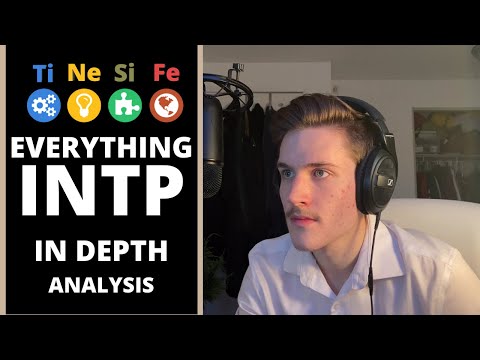
So, you know those people who seem to have their heads in the clouds, always analyzing and questioning everything? Yep, that’s an INTP for you.
Este blog ofrece contenido únicamente con fines informativos, educativos y de reflexión. La información publicada no constituye consejo médico, psicológico ni psiquiátrico, y no sustituye la evaluación, el diagnóstico, el tratamiento ni la orientación individual de un profesional debidamente acreditado. Si crees que puedes estar atravesando un problema psicológico o de salud, consulta cuanto antes con un profesional certificado antes de tomar cualquier decisión importante sobre tu bienestar. No te automediques ni inicies, suspendas o modifiques medicamentos, terapias o tratamientos por tu cuenta. Aunque intentamos que la información sea útil y precisa, no garantizamos que esté completa, actualizada o que sea adecuada. El uso de este contenido es bajo tu propia responsabilidad y su lectura no crea una relación profesional, clínica ni terapéutica con el autor o con este sitio web.
If you’ve ever met one, you probably noticed they have this unique way of looking at the world. Their brains are like little computers, processing info in ways that make you go, “Huh?” Seriously!
But what’s going on in there? What makes their thought processes tick? Well, let’s break down the cognitive functions of INTPs and see what traits come with them.
It’s like peeling back layers of a really interesting onion—or maybe more like an artichoke? Anyway, ready to dig into their minds and uncover some cool insights?
Cognitive Functions of INTP Personality Type: Understanding Their Mental Processes
So, you’re curious about the cognitive processes of the INTP personality type? Well, buckle up! INTPs are often seen as the “thinkers” of the personality spectrum. They’re all about ideas, theories, and logic. Let’s break down their cognitive functions and how they work.
The primary cognitive function for an INTP is Introverted Thinking (Ti). This is like their internal compass. It helps them analyze situations deeply, often leading to insightful conclusions. Imagine you’re trying to solve a complex puzzle; that’s what Ti does for INTPs—they love tackling intellectual challenges!
- 1. Analytical Skills: They can dissect concepts and ideas with razor-sharp precision. If you present an INTP with a problem, they won’t just give you surface-level answers.
- 2. Independence: INTPs prefer to think for themselves. They enjoy working alone or in small groups where they can explore their thoughts freely.
- 3. Creative Problem Solving: Using Ti allows them to come up with novel solutions that others might not see right away.
The second function is Extraverted Intuition (Ne). This is like a window to endless possibilities for them! Ne helps INTPs connect dots between different concepts, making them great at brainstorming innovative ideas.
- A Tendency to Conceptualize: They love flipping through mental pages of different theories and possibilities.
- Easily Distracted: Because their minds race with possibilities, they might jump from one idea to another quickly!
- A Great Sense of Humor: Their Ne sometimes leads them to create offbeat insights or jokes that others may find puzzling!
The third function is Introverted Sensing (Si), which doesn’t quite take the spotlight but still plays a vital role in how INTPs remember information and experiences. Si gives them a sense of past experiences that help shape their current thinking processes.
- Persistent Recall: Though it’s not as strong as other types, Si helps them remember specific details that could support their theories or arguments.
- Nostalgia Balancing Logic: Sometimes this leads to nostalgia which can feel at odds with their detached reasoning!
The last of the main functions is Extraverted Feeling (Fe). Now here’s where things get interesting! For many INTPs, Fe serves more as a background process than anything else.
- A Connection Challenge: They might struggle to navigate social dynamics since they’re more focused on logic over emotions—so they could accidentally hurt feelings without realizing it!
- A Desire for Harmony: Despite being logical thinkers, they genuinely care about people; it’s just not always expressed openly!
This combination of cognitive functions creates a unique mind-mapping approach when it comes to understanding everything around them. The potential pitfalls are there too; you know how it gets when someone dives deep into theory without touching base with reality? Yeah, that can happen!
If you happen to be working with an INTP or are one yourself, just know these cognitive functions shape interactions significantly—they influence everything from creativity in literature to strategies in games like chess! It’s about those connections between thoughts that make all the difference in navigating life.
No matter where your interests lie—be it gaming or discussing philosophical quandaries—remember that understanding these cognitive functions can lead us closer together while respecting each other’s differences.
And hey, while this info shines light on how INTPs think and process life around them—it doesn’t replace talking with professionals if needed! Embrace those thinkers among us—they really do add color and depth into everyday experiences!
Exploring the Rarest INTP Personalities: Traits and Characteristics
When we talk about INTP personalities, which are often referred to as «The Thinkers,» we’re diving into a unique world of traits and cognitive processes. These folks are deep thinkers, curious, and enjoy exploring new ideas. But what happens when an INTP is rare? Let’s dig into it.
INTP Traits and Characteristics
INTPs tend to be independent thinkers. They love to analyze and dissect concepts from every angle. It’s not just surface-level stuff for them; they go deep. They might ponder the complexities of existence while sitting in a café or even while playing games that allow for strategic thinking, like chess or simulation games.
Here’s a little breakdown of some key characteristics:
- Analytical: These individuals have a knack for logical analysis. You’ll often find them solving complex problems or considering theoretical possibilities. Imagine them debating the mechanics of time travel – it’s their jam!
- Innovative: Creativity flows through their veins! INTPs don’t just think outside the box; they reshape the box entirely. You could relate this to game development where crafting new worlds or mechanics is essential.
- Curious: Constantly seeking knowledge, INTPs are like sponges, soaking up information about everything under the sun. Their curiosity drives them to explore subjects from physics to philosophy.
- Introverted: Social interactions can often drain their energy. An INTP might prefer exploring ideas solo or in small groups rather than at big parties where conversations feel superficial.
- Maverick Mindset: Being unconventional, they’re okay with breaking norms and voicing unpopular opinions if it means getting closer to truth.
Now, you might be wondering how these traits connect to their cognitive functions.
Cognitive Functions of INTPs
INTPs have a specific way of processing information that makes their approach unique. They primarily use Introverted Thinking (Ti), which is all about internal logic and making sense of things on their own terms. Then there’s Extraverted Intuition (Ne), which helps them see connections between ideas and explore possibilities.
Here’s what that looks like on a day-to-day basis:
- Troubleshooting Mastery:You need someone to sort out your tech issues? An INTP can break down complex systems faster than you can say «troubleshoot!»
- Theoretical Dreamers:Their minds drift towards «what if» scenarios – like pondering alternate realities while watching sci-fi films.
- Puzzle Enthusiasts:You know those brain teasers that stump everyone? Yeah, give them to an INTP at a coffee shop – they’ll be lost in thought for hours!
But there are also less common traits you may find in rare INTPs.
The Rarest INTP Traits
Every individual is different! Some may display quirks that set them apart from typical characteristics associated with most INTPs.
- Lively Sense of Humor:You might expect an analytical type to be overly serious, but some rare INTPs have wit that’s sharp as a tack—often laced with sarcasm.
- A Deep Emotional Side:You probably wouldn’t expect an INTP to dive deep into emotional waters; however, those rare ones can surprise you with profound feelings about art or literature.
Being on this end of the spectrum is not always easy though!
For example, I once met an extraordinarily rare INTP who loved storytelling in video games yet struggled with expressing his own emotions. He would spend hours discussing plot twists in his favorite RPG but found it hard to articulate his feelings during conversations with friends! It was fascinating—and honestly relatable—seeing how these traits played out in his life.
All said and done, whether someone’s an “ordinary” or “rare” version of an INTP personality type doesn’t change their intrinsic value or depth as individuals—they still bring something invaluable to our world! Just remember: if someone struggles emotionally or socially due simply being wired differently—it doesn’t mean they can’t thrive; they just may need some extra understanding along the way.
So keep appreciating those quirky thinkers around you!
Understanding INTP Cognitive Functions and Their Impact on Traits and Behavior
So, you want to get into the nitty-gritty of INTP cognitive functions, huh? Well, buckle up! INTPs are often known as the «Thinkers,» and their cognitive processes make them unique. Basically, they operate using a set of functions that shape how they see the world and interact with it.
The primary function for INTPs is Introverted Thinking (Ti). This means they analyze and break down problems logically. They love diving deep into concepts, seeking clarity and understanding. Imagine going down a rabbit hole of information—yep, that’s Ti for you. It’s all about precision and personal comprehension.
- Extraverted Intuition (Ne) follows Ti as their secondary function. This one opens doors to possibilities. Think of it like brainstorming ideas that could transform what initially seems mundane into something creative and innovative.
- The third function is Introverted Sensing (Si). Si allows INTPs to recall past experiences and learn from them. It’s like having an archive of memories to refer back to when figuring things out in the present.
- Finally, we have Extraverted Feeling (Fe). Though it’s less developed in INTPs, Fe helps them understand others’ emotions—even if it takes some effort for them!
You might be wondering how these functions play out in everyday life. Let me give you a quick example! Picture an INTP playing a complex game like Chess or Dungeons & Dragons. Their Ti kicks in as they develop strategies while Ne helps them think several moves ahead or create unexpected scenarios during gameplay. It’s all about envisioning what could happen next!
Now let’s not forget how these cognitive processes influence traits and behavior. Since Ti drives their decision-making process, you’ll often find INTPs looking for logical consistency rather than relying on emotional responses. This might make them seem detached at times; but don’t worry—they genuinely care; it’s just expressed differently!
The use of Ne can lead to some quirky interests or hobbies because it encourages exploration of new ideas or theories. Ever met an INTP who can go on about string theory or conspiracy theories? Yup—that’s Ne sparking their curiosity!
However, there can be challenges too. With weaker Fe abilities, they may struggle during emotional conversations or when trying to connect with others on a feelings level—which can sometimes result in misunderstandings in relationships.
At the end of the day: understanding these cognitive functions gives you insight into why INTPs think and act the way they do. It helps bridge gaps between different personality types and fosters better communication among friends or colleagues.
If you’re curious about personality types—or if you’re just trying to understand someone better—it’s always good to keep in mind that knowing about cognitive functions doesn’t replace professional guidance if needed! There are always layers to personalities; this is just scratching the surface!
You know, personality types can be so intriguing, right? Especially when you start digging into something like INTP functions. Just to give you a little background, INTP stands for Introverted, Intuitive, Thinking, and Perceiving. It’s one of those 16 personality types based on the Myers-Briggs Type Indicator. These folks—INTPs—are often seen as the “thinkers” of the bunch.
So what’s really going on in that brilliant mind of an INTP? Well, they operate with four main cognitive functions: Introverted Thinking (Ti), Extraverted Intuition (Ne), Introverted Sensing (Si), and Extraverted Feeling (Fe). Let’s break this down a bit.
Introverted Thinking is like their internal filing cabinet for ideas. They love dissecting concepts to understand how things work! But here’s the kicker: they can get lost in that world of analysis. Like my buddy Alex—always overthinking everything. One day, we spent hours debating whether time is linear or cyclical. Seriously! And by the end, I thought my head might explode.
Next up is Extraverted Intuition. This one’s about possibilities and patterns—they’re natural brainstormers who can see connections where others don’t. I mean, it’s kind of wild how they can jump from one idea to another in a heartbeat! Sometimes it seems like their minds are working on a totally different wavelength.
Now let’s chat about Introverted Sensing for a sec. This function isn’t as dominant in INTPs as the first two, but it helps them recall past experiences and details relevant to their inner thoughts. It gives them some grounding so they’re not floating endlessly through ideas without any context.
Finally, there’s Extraverted Feeling—the function that helps them relate to others emotionally. You might think this would make them empathetic powerhouses but… not quite! INTPs prioritize logic over emotions sometimes, so it may take more effort for them to tap into how others feel.
And here’s the thing: understanding these cognitive processes gives us insight into why INTPs act the way they do—whether it’s being lost in thought at a party or having that incredible ability to think outside the box in problem-solving scenarios.
So yeah, if you know an INTP—or if you are one—embrace those quirks! They might drive you crazy now and then but there’s something undeniably brilliant about how they approach life and ideas. It’s always an adventure with them around!