Okay, so let’s talk about this thing called MBTI. You know, the personality test that everyone seems to be obsessed with?
Este blog ofrece contenido únicamente con fines informativos, educativos y de reflexión. La información publicada no constituye consejo médico, psicológico ni psiquiátrico, y no sustituye la evaluación, el diagnóstico, el tratamiento ni la orientación individual de un profesional debidamente acreditado. Si crees que puedes estar atravesando un problema psicológico o de salud, consulta cuanto antes con un profesional certificado antes de tomar cualquier decisión importante sobre tu bienestar. No te automediques ni inicies, suspendas o modifiques medicamentos, terapias o tratamientos por tu cuenta. Aunque intentamos que la información sea útil y precisa, no garantizamos que esté completa, actualizada o que sea adecuada. El uso de este contenido es bajo tu propia responsabilidad y su lectura no crea una relación profesional, clínica ni terapéutica con el autor o con este sitio web.
I mean, one minute you’re chilling with your buddies, and the next—bam!—someone’s asking if you’re an INFP or an ESTJ. What even is that?
Well, it stands for Myers-Briggs Type Indicator. But it’s not just a bunch of letters; it’s like a fun little window into who you are!
You’ve probably seen people diving deep into their personality types on social media. It’s all the rage! Seriously though, why does this stuff matter?
Let’s break it down together and figure out what those letters really mean for your unique self. Ready?
Understanding the MBTI Test: A Comprehensive Guide to Personality Types
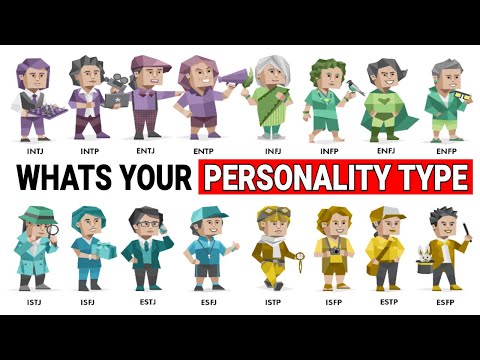
So, what does MBTI stand for? Well, MBTI is short for the Myers-Briggs Type Indicator. It’s a popular personality assessment tool that helps people understand their own personalities and those of others. The test categorizes individuals into one of 16 distinct personality types based on four pairs of opposing traits.
Here’s how it works:
- Introversion (I) vs. Extraversion (E): This dimension looks at where you get your energy. Do you recharge by spending time alone or do you feel energized when around others?
- Sensing (S) vs. Intuition (N): This scale focuses on how you take in information. Are you someone who likes facts and details? Or do you prefer to see the big picture and possibilities?
- Thinking (T) vs. Feeling (F): Here, it’s about decision-making. Do you prioritize logic and objectivity or do you lean toward personal values and emotions?
- Judging (J) vs. Perceiving (P): This final pair looks at how you approach life. Are you more structured and like things settled, or are you adaptable and open to new experiences?
Combining these traits gives you a four-letter personality type like INFP or ESTJ. Each letter represents one preference from each pair.
Let’s say we take someone who gets their energy from being around others – they’d be categorized as an Extravert (E). If they focus more on the big picture rather than detailed facts, they’d also score high on Intuition (N). If they lean toward making decisions based on feelings rather than pure logic, that’s Feeling (F). Finally, if they prefer having everything planned out instead of keeping options open, that’s Judging (J). So this person would be an ENFJ.
It’s fascinating because understanding your type can help with everything from career choices to relationships! For example, if you’re an ENFJ, you might thrive in roles that involve teamwork and communication—think teaching or counseling.
Now let’s also chat about why you’re not going to find all the answers in MBTI alone. It’s a fun starting point but doesn’t detail every aspect of human behavior—it can’t replace professional psychological help if that’s what you’re looking for.
And if you’re thinking about using it for team dynamics at work or for personal development, just keep in mind it’s about *preference,* not ability! You might find that some people fit into their boxes perfectly while others may feel a little “off” with their type.
In the end, it’s all about enhancing self-awareness while keeping an open mind—it’s not a rigid label but a lens to view ourselves through! So whether you’re just curious or looking to use it in deeper ways, MBTI can be super enlightening as long as it’s taken with a dose of humility about its limits!
So there you have it—a brief dive into what MBTI stands for and its basic premise! If anything piqued your interest here, maybe give the test a whirl yourself—you might discover something new!
Take the Free MBTI Test to Discover Your Personality Type
The MBTI, or Myers-Briggs Type Indicator, is a personality assessment tool that helps you understand your unique character. Developed by Isabel Briggs Myers and her mother, Katharine Cook Briggs, the MBTI categorizes people into 16 different personality types based on how they perceive the world and make decisions. It’s like having a map to the way you think and act!
So here’s how it works: The MBTI is built around four key dichotomies, each representing pairs of opposing traits. Let’s break them down:
- Extraversion (E) vs. Introversion (I): Do you recharge with people around or find peace in solitude? Extraverts love socializing, while introverts prefer quiet reflection.
- Sensing (S) vs. Intuition (N): Are you more focused on what’s real and tangible or do you lean towards possibilities and abstract ideas? Sensors notice details; intuitives see patterns.
- Thinking (T) vs. Feeling (F): Do you make decisions based on logic or personal values? Thinkers prioritize facts while feelers consider others’ feelings.
- Judging (J) vs. Perceiving (P): Are you organized and prefer structure, or are you more spontaneous and flexible? Judgers like plans; perceivers adapt as things unfold.
Combining one trait from each category gives you your personality type. For example, someone who is an INFP might be an introverted, intuitive, feeling individual who prefers to keep their options open.
You might be wondering why this matters! Knowing your MBTI type can help improve your relationships, guide career choices, or even enhance your self-awareness. Take my friend Sam for instance. He was always torn between pursuing art or business but after discovering he was an ENFP—a creative extrovert—he felt more confident diving into art full-time!
Now, while the MBTI can be a fun tool for self-discovery, it’s essential to keep in mind that it doesn’t cover every aspect of who we are as individuals—there’s so much more to us than just four letters! And seriously? If you’re facing challenges that affect your daily life or mental health, reaching out for professional help is always a good idea.
Taking a free MBTI test online can be super easy! Just remember: it’s about gaining insights into yourself rather than boxing yourself in forever. So go ahead! You never know what parts of yourself you’ll discover.
All in all, the MBTI offers a glimpse into the fascinating world of personalities—even if we’re all still figuring ourselves out along the way!
Understanding Your MBTI: A Guide to Discovering Your Personality Type
The MBTI, or Myers-Briggs Type Indicator, is a popular tool used to assess personality types. It’s basically like a fun personality quiz that helps you understand how you think and behave in different situations. The idea originated from the work of Carl Jung, a Swiss psychiatrist who proposed that our preferences could be grouped into different categories.
So, MBTI categorizes people into 16 different personality types based on four essential pairs of opposing traits. These traits are:
- Extraversion (E) vs. Introversion (I): This pair looks at where you get your energy from. Extraverts recharge by interacting with others, while introverts find energy in solitude.
- Sensing (S) vs. Intuition (N): This dimension considers how you take in information. Sensors prefer concrete facts and details; intuitives focus on patterns and possibilities.
- Thinking (T) vs. Feeling (F): Here, you can see how you make decisions. Thinkers rely on logic and objectivity, whereas feelers prioritize emotions and values.
- Judging (J) vs. Perceiving (P): This pair looks at how you approach life’s structure. Judgers like planning and organization; perceivers enjoy flexibility and spontaneity.
Now, let’s break this down a bit more! When your preferences in these categories come together, they create a four-letter code indicating your personality type—like ENFP or ISTJ. Each type has unique strengths and challenges.
For example, an ENFP might be characterized as enthusiastic and imaginative but could struggle with follow-through on their ideas because they’re always dreaming up new ones! On the flip side, an ISTJ is often seen as reliable and practical but might find it tough to adapt when things don’t go according to plan.
It’s pretty intriguing to think about how these combinations create a sort of “personality blueprint.” But here’s the thing! While the MBTI can provide insights into your preferences and behaviors, it doesn’t define who you are completely or replace professional advice if you’re dealing with deeper issues.
Now let me tell you a little story! I remember taking the MBTI test back in college after a particularly intense group project that felt like chaos incarnate. We had one team member who was super spontaneous—we’ll call them the “Perceiver.” They were constantly suggesting new ideas instead of sticking to our plan, which drove our “Judging” teammate totally nuts! After taking the test, realizing that we were just wired differently totally helped us communicate better moving forward.
So anyway, if you’re considering diving into your MBTI type, give yourself some space to reflect on what it means for you—your strengths and even areas for growth. Embrace those quirks; they’re part of what makes you unique! Just keep in mind that while it’s fun to explore personality types with friends or during game nights (ever tried “Who is most likely to…?”), true understanding of oneself goes beyond any test—it takes time and life experience too!
In the end, knowing your MBTI can be like having a compass for navigating relationships or career choices—but remember to take everything with a grain of salt! Keep exploring yourself—there’s so much more than just four letters out there!
So, let’s chat about MBTI, shall we? You might have seen those letters pop up in personality quizzes or heard friends talk about their “types.” That’s because MBTI stands for the Myers-Briggs Type Indicator. It’s a tool people use to understand themselves and others better.
Here’s how it works: the MBTI is based on Carl Jung’s theories of psychological types. Basically, it breaks down personalities into 16 different types based on four pairs of opposing preferences. Do you lean more toward introversion or extraversion? Are you feeling-oriented or thinking-oriented? And then there’s judging versus perceiving—do you like structure or prefer to keep things flexible? Finally, sensing versus intuiting helps figure out if you focus more on the details or the big picture.
Thinking about my own experience, I remember taking the test for the first time a few years back. I was super skeptical but thought why not? When my results came back as INFP, I was shocked—and maybe a little relieved! It felt like someone had peeked into my mind and written down my quirks and dreams on paper. Suddenly, I wasn’t just a shy person who spent hours daydreaming; I was an “Idealist” who craved authenticity and connection. Wow!
So, what’s interesting here is that while it’s fun to dive deep into these personality types, it can also get serious too. People sometimes use these labels in ways that can box them in—like saying «Oh I’m an INTJ; that means I’m terrible at small talk.» But remember, you’re not just your type! You’re more complicated than that.
And speaking of complexity, what comes next is how this tool gets applied in real life—especially in teams or relationships. Knowing everyone’s type can help improve communication and understanding. Have you ever noticed how some people just don’t click right off the bat? Sometimes it’s less about personal issues and more about differing personality styles.
In the end, MBTI offers a cool window into yourself and others but don’t take it too seriously either! Just have fun with it; get curious! You’ll probably learn something valuable along the way—even if it’s just a reminder that everyone has their unique flair to bring to the table. So yeah, whether you’re curious about your type or just want an icebreaker at parties (seriously handy!), diving into the world of MBTI can be pretty enlightening!