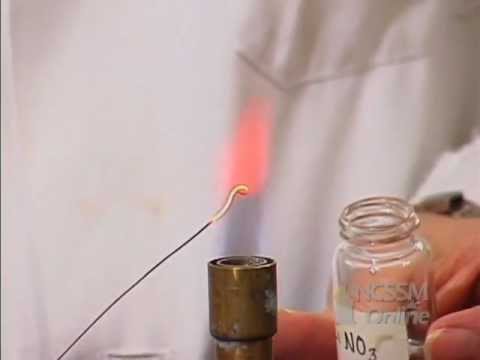
So, ever seen a firework show? Pretty cool, right? Well, what if I told you there’s a way to see elements do their own little dance in flames? That’s where the lithium flame test comes in.
Este blog ofrece contenido únicamente con fines informativos, educativos y de reflexión. La información publicada no constituye consejo médico, psicológico ni psiquiátrico, y no sustituye la evaluación, el diagnóstico, el tratamiento ni la orientación individual de un profesional debidamente acreditado. Si crees que puedes estar atravesando un problema psicológico o de salud, consulta cuanto antes con un profesional certificado antes de tomar cualquier decisión importante sobre tu bienestar. No te automediques ni inicies, suspendas o modifiques medicamentos, terapias o tratamientos por tu cuenta. Aunque intentamos que la información sea útil y precisa, no garantizamos que esté completa, actualizada o que sea adecuada. El uso de este contenido es bajo tu propia responsabilidad y su lectura no crea una relación profesional, clínica ni terapéutica con el autor o con este sitio web.
It’s like nature’s way of putting on a show. You’ve got this vibrant red color popping up when lithium hits that flame, and it’s not just pretty to look at—it actually tells us something about the element itself!
Seriously, it’s like a chemistry party where only specific guests get to shine. Curious yet? Let’s light it up and dig into the colorful world of elemental properties!
Understanding the Properties Observed in Flame Tests: A Clear Analysis
Flame tests can be so cool! Seriously, if you’ve ever seen a blue or red flame popping out of a Bunsen burner, you know it’s pretty mesmerizing. This little trick isn’t just for show—it reveals the elemental properties of substances. Let me break down how this works, specifically with lithium.
When we perform a lithium flame test, we’re looking at the colors emitted when lithium salts are heated. Here’s the thing: different elements produce different colors when burned because they emit light at specific wavelengths. So, let’s get to it.
- Lithium Ion Colors: When lithium is heated in a flame, you’ll see a striking crimson red color. This happens because of energy levels in lithium’s electrons. When you heat them up, they jump to higher energy levels and then fall back down, releasing energy as light.
- Electron Excitation: The process that creates the color has to do with electrons getting excited. Picture them bouncing around like kids on a sugar high! When they calm down, they release that excess energy as colorful fireworks—well, not quite fireworks but close enough!
- Other Colors: Each element has its own unique signature color when subjected to fire. For example, sodium gives off a bright yellow flame—think of those glowing lights in games like Minecraft when you set stuff on fire!
The way this works ties back to a concept called atomic structure. Every element has its own set of electrons arranged in shells around the nucleus. In lithium’s case, it has three electrons—two in the first shell and one in the second. When heated during that flame test, it’s basically those outer electrons taking center stage.
Here’s something interesting: different compounds can also affect the colors seen during the test. If you’ve got other metal ions mixed in there with your lithium salts? They might change how vivid or dull that crimson color appears.
In practical terms, scientists use these tests for identifying elements in unknown samples—think about detectives using clues! Flame tests are also handy in educational settings; teachers often use them to illustrate concepts about elements and their properties.
And here’s an emotional nugget: I remember my chemistry teacher letting us perform flame tests during lab class. The excitement was palpable; it felt like we were wizards conjuring spells with fiery colors dancing before our eyes!
So yeah, basically, understanding these properties through flame tests gives us valuable insights not just into chemistry but also into how matter behaves under heat—a reminder of how interconnected everything is!
And while science is incredibly fun and fascinating—it shouldn’t replace professional help if you’re feeling overwhelmed or confused about any subject related to it. Keep seeking answers and enjoy those flames!
Understanding the Flame Test for Lithium: Results and Implications
The flame test for lithium is a classic chemistry experiment that helps us identify the presence of lithium compounds. It’s pretty cool, really. When you heat lithium salts in a flame, they produce a distinctive bright red color. This is because of the way lithium interacts with energy.
When you heat up lithium, its electrons get excited and jump to higher energy levels. As those electrons return to their original levels, they release energy in the form of light, which we see as that lovely crimson hue. So, seeing red in the flame is your cue that lithium is hanging out!
Now, let’s break down some key points about this process and its implications:
- Identification: It’s used widely in laboratories to quickly determine if lithium is present. This quick test can help distinguish it from other alkali metals.
- Chemical Behavior: The flame test showcases how different elements react under heat. Other elements will produce various colors—like sodium giving off an intense yellow or copper turning green.
- Applications: Lithium’s unique properties make it valuable in batteries, medications for bipolar disorder, and even in some kinds of fireworks!
In one memorable moment during a high school science fair, my friend thought he could create a fiery rainbow by mixing different salts together. Instead, he just ended up with a bunch of burnt-out materials and some cool colors—but not quite what he imagined! That’s where understanding these elemental properties comes into play.
It’s important to note that while the flame test is super handy, it isn’t perfect. The results can sometimes be misleading due to contamination or interference from other chemicals present. So if you’re conducting this test at home (which isn’t recommended without supervision), double-check your sources! Always acknowledge safety measures and never try anything alone unless you’re 100% sure about what you’re doing.
If you’re curious about how this relates to real life outside science class—think about video games where characters level up by gathering rare items or elements (like special gems). Identifying lithium through the flame test could be seen as «unlocking» part of a bigger game plan in chemistry!
Remember though: while these tests are fascinating and helpful for learning chemistry basics, always consult a professional when dealing with hazardous materials or seeking information beyond surface knowledge. Safety first!
Exploring Elemental Properties: The Lithium Flame Test in Action Lab Experiments
Exploring elemental properties can be pretty exciting, especially when it comes to flame tests. The lithium flame test is one of the classic demonstrations used to reveal the unique characteristics of different elements, you know? It’s a simple yet effective way to observe how lithium behaves.
First off, let’s break down what a flame test actually is. When you heat a metal salt in a flame, the electrons in the metal get excited and jump to higher energy levels. When they fall back down, they release energy in the form of light. This light has a specific color depending on the element. So, for lithium—surprise!—you get a bright red flame. Pretty cool, right?
Now, if you were to conduct this test in an action lab experiment, here’s how it might go:
- Materials Needed: You’d need lithium salt (like lithium chloride), a heat source (usually a Bunsen burner), and a clean metal loop or wire.
- Procedure: Dip the wire into the lithium salt solution and then hold it in the flame. Watch for that vibrant red hue appear as it heats up!
- Observation: Make sure you note how bright and vivid the color is; different elements give off different colors! This can help identify which element is present.
Let me tell you about that time I helped my little cousin with his science project on metals. We did this experiment together using sodium too—it produces a yellow-orange flame—and we couldn’t stop giggling at how our living room looked like a mini fireworks show! It was such an awesome way to make science fun.
The color emitted during these tests not only showcases elemental properties but also helps us understand how metals react chemically. So when you’re seeing that red from lithium, it’s lighting up more than just your visual senses; it’s giving insights into electron behavior too!
Now, while this may sound like something right out of an epic science game where you’re mixing potions or brewing powerful elixirs, remember it’s crucial to handle everything safely and responsibly in real life! Always do these experiments with proper supervision or guidance.
And one last thing: while this information is neat and informative, it’s always important to seek professional guidance if you’re looking for more detailed experiments or help regarding chemical reactions outside of just fun science projects at home. Stay curious but safe out there!
Okay, so let’s chat about the lithium flame test. It’s one of those cool science experiments that shows off what makes lithium tick. You know how when we see fireworks, and they light up the sky in all those vibrant colors? Well, the lithium flame test is kind of like that but way more educational!
Basically, when you throw some lithium into a flame, it lights up in a bright crimson red. I mean, how awesome is that? It just feels like magic at first glance. This happens because when lithium is heated, its electrons get all jazzed up and jump to a higher energy level. Then, as they fall back down to their original spots, they release energy in the form of light—hence the color explosion!
You might think it’s just about pretty colors, but there’s more beneath the surface. This test isn’t just for fun; it helps chemists identify elements in compounds. It’s kind of like holding up a sign saying “Hey! I’m lithium!” Seriously, that small crimson flame tells you volumes about what you’re dealing with.
I remember my high school chemistry class where we did this test during lab day. Everyone was buzzing with excitement. When our teacher tossed that little piece of lithium into the Bunsen burner flame and we saw that beautiful red glow—it was like everyone just gasped! There were smiles all around as if we had witnessed some secret being unveiled right before our eyes.
So here’s the deal: this simple experiment highlights how different elements react under heat and helps us understand chemical properties better. It’s a tiny glimpse into the larger world of chemistry and elemental behavior. And honestly? It sparks curiosity! After seeing something so vibrant and dynamic, who wouldn’t want to learn more?
In the end, whether you’re a budding scientist or someone who just enjoys life’s little wonders, there’s beauty in understanding these elemental properties through fun experiments like the lithium flame test. The colors might fade away quickly after you see them—but trust me; that thrill sticks around for a while!