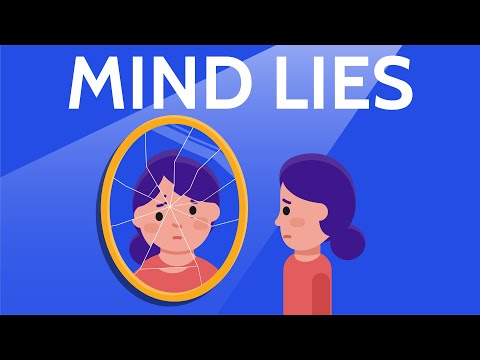
Hey, have you ever noticed how we tend to believe what we already think? It’s like, if you’re convinced that pineapple belongs on pizza, every time someone says it does, you nod along like they’re a genius. That’s affirmation bias at work!
Este blog ofrece contenido únicamente con fines informativos, educativos y de reflexión. La información publicada no constituye consejo médico, psicológico ni psiquiátrico, y no sustituye la evaluación, el diagnóstico, el tratamiento ni la orientación individual de un profesional debidamente acreditado. Si crees que puedes estar atravesando un problema psicológico o de salud, consulta cuanto antes con un profesional certificado antes de tomar cualquier decisión importante sobre tu bienestar. No te automediques ni inicies, suspendas o modifiques medicamentos, terapias o tratamientos por tu cuenta. Aunque intentamos que la información sea útil y precisa, no garantizamos que esté completa, actualizada o que sea adecuada. El uso de este contenido es bajo tu propia responsabilidad y su lectura no crea una relación profesional, clínica ni terapéutica con el autor o con este sitio web.
It’s a sneaky little thing that shapes our beliefs and keeps us cozy in our opinions. Seriously, it’s so easy to fall into that trap without even realizing it.
So let’s have a little chat about what affirmation bias is and how it messes with our heads. You know, understanding this can really open your eyes to the way we see the world!
Exploring the Impact of Affirmations on Belief Change: A Psychological Perspective
Sure, let’s chat about affirmations and how they play a role in changing our beliefs. It’s way more interesting than it might sound at first!
Affirmations are these positive statements you say to yourself. They can be about anything: your abilities, your worth, or even your future. The idea is, by repeating them regularly, you start to believe them. Pretty cool, right?
Now, the science behind this is grounded in what we call affirmation bias. This is where your mindset shapes how you view information and experiences. You start filtering out anything that doesn’t match those positive beliefs you’re building. For example, if you keep telling yourself you’re a great public speaker, you’ll start noticing times when you nailed a presentation while overlooking the hiccups. It’s like wearing glasses that only let in the good stuff!
- Repetition is key. Just like leveling up in a video game takes practice and patience, affirmations need consistent reinforcement to make an impact.
- Belief change can happen. When we consistently tell ourselves something positive, it can actually shift our beliefs over time!
- Mindset matters. Your overall mindset can influence how effective affirmations are. If you’re stuck in negative thought patterns, it might take longer to see results.
You know what? I remember a friend of mine who struggled with self-confidence during job interviews. She started saying things like «I am capable» and «I deserve this opportunity» before each interview. At first, she felt silly—but after weeks of this practice, she began to walk into those rooms with her head held higher and landed some awesome jobs.
But hold on—while affirmations can help boost confidence and change beliefs over time, they aren’t magic pills. They work best when combined with action! If she had just stood there repeating “I am confident” without preparing or practicing her interview skills—well that would not lead anywhere.
And here’s another thing: affirmations should resonate with *you*. Cookie-cutter phrases may not stick if they don’t feel genuine or personal.
So yeah! Whether you’re looking to build confidence or shift some long-held beliefs that aren’t serving you well anymore—give affirmations a try but remember they’re just one tool in the toolbox of self-improvement. It’s always best to seek professional help if you’re facing deeper challenges; it’s totally okay to ask for support!
In the end, keep it real and be kind to yourself as you explore the power of words in reshaping your mind!
Understanding the Influence of Biases on Personal Values and Beliefs
Biases are part of being human, you know? They shape how we see the world, our values, and what we believe. One major player in this game is called **affirmation bias**. It’s like having a favorite pair of shoes that you wear everywhere because they just feel right, ignoring all the other options out there.
So, what exactly is affirmation bias? Basically, it’s our tendency to look for information or experiences that confirm what we already believe. Imagine you’re really into a video game and all you do is read positive reviews about it. You’re totally skipping over the negative ones because they don’t fit your view of the game as awesome!
Here are some important points about affirmation bias:
- Selective Attention: We focus on info that reinforces our beliefs while blocking out anything that contradicts them.
- Confirmation in Social Circles: Our friends might share similar views, creating an echo chamber where only certain beliefs are heard.
- Emotional Connection: When something resonates with us emotionally, we tend to accept it without question—like that one track on your playlist you keep repeating!
Let’s say you’ve always believed that introverts are less fun than extroverts. If you spend time chatting only with others who share that belief, you might start ignoring or downplaying the amazing introverted friends in your life. That’s affirmation bias at work! It distorts reality in a way that’s super comfortable but also pretty limiting.
This bias doesn’t just play tricks with personal beliefs; it can totally affect our values too. If everyone around us seems to think one way about a social issue—let’s say climate change—it can be tough to question those thoughts when all you hear is agreement. You might find yourself lining up with their views without really thinking critically about it.
And hey, this isn’t just about big societal issues. Even small daily choices can be influenced by affirmation bias. Maybe you’re convinced that a particular diet is the best option for health—you’ll likely seek out success stories while ignoring anyone who had a tough time sticking to it.
But here’s the kicker: recognizing this bias can help us break free from its grip! By consciously seeking out different perspectives, engaging with opposing viewpoints or questioning the sources of your beliefs—like reading reviews from both sides—we give ourselves a chance to grow and expand our understanding of the world.
To wrap things up though—keep in mind this isn’t about replacing professional help if you’re wrestling with strong beliefs or values affecting your life negatively. It’s more like being aware of how these biases can shape who you are and what you stand for every day!
Basically, understanding affirmation bias means getting better at navigating our own minds and recognizing when we’re stuck in comfortable thought patterns instead of learning new things or challenging ourselves! So keep questioning those comfy shoes; sometimes it helps to try on new pairs too!
Exploring Affirmation Bias: Its Impact on Beliefs and Brain Function
Affirmation bias is a fascinating concept that can seriously shape the way we see the world. So, what exactly is it? Well, it’s when you favor information that supports your existing beliefs while ignoring or dismissing anything that contradicts them. Basically, it’s like putting on a pair of rose-colored glasses that filter out anything that doesn’t match your view.
Imagine you’re scrolling through social media and come across a post about a new health trend. If you’re already convinced this trend is good, you’re likely to share it and comment positively. But if someone else points out some downsides? You might just roll your eyes and scroll past it. It’s super common!
The brain plays a big role in this, too. When your beliefs are challenged, your brain can react defensively. It doesn’t feel good to think you might be wrong! Instead of processing contradictory information rationally, you might experience discomfort or even stress. This reaction involves areas of the brain tied to emotions rather than logic.
You know what I mean? It’s kind of like playing your favorite video game where you only pick characters or strategies that match your play style. You ignore those lame options that don’t fit into how you want to win! This isn’t just about gaming; it’s how we handle real-life situations too.
Here are some ways affirmation bias influences us:
- Echo chambers: We tend to surround ourselves with people who have similar views—like friends who all love the same movies or music.
- Confirmation through media: We seek out news sources that align with our beliefs while ignoring others.
- Difficulty in changing opinions: It becomes really hard to shift our views when we’re constantly reinforcing them.
But hold on – there’s more! Affirmation bias can also lead to more divisive thinking. It can create an “us vs them” mentality where conversations become heated debates instead of productive discussions.
A personal story comes to mind here! I remember chatting with a friend about politics once. I was so caught up in defending my point of view that I didn’t even hear her perspective until much later when things had cooled off. It took a bit for me to reflect and realize how blind I had been!
Still, it’s essential to recognize what happens in our brains when we encounter different beliefs and ideas. Acknowledging affirmation bias helps us become more open-minded and empathetic towards others.
In short, affirmation bias is like playing favorites with information—it makes life feel comfortable but can limit personal growth and understanding of others’ situations if we let it rule us too much! And remember: being aware of this bias doesn’t replace professional help if you’re struggling with bigger issues related to belief systems or mental health challenges—talking things out with someone who’s trained is always a good move!
So, let’s chat about affirmation bias. You know, it’s that little trick our brains play on us where we tend to look for info that supports what we already believe. It’s like wearing these comfy, old shoes—you love them because they fit so well! But hey, sometimes they can keep you from stepping into something new and interesting.
Imagine this: You’re scrolling through your social media feeds and you see a post that totally aligns with your opinion on a hot-button issue. You double-tap it, maybe even share it with your friends. But when you see something that challenges your views? Ugh, you probably roll your eyes and keep scrolling. I mean, who wants to deal with all that cognitive dissonance? It’s uncomfortable!
The thing is, affirmation bias can be super subtle but powerful. It filters the way you gather information and shape your beliefs without you even realizing it. You’re basically filtering everything through the lens of what feels good or comfortable for you. Like, if you’re really into a certain political party or health trend, you’re more likely to seek out articles that back those choices up while ignoring evidence to the contrary.
This can lead to some sticky situations too! Remember that friend who got way too into conspiracy theories? They’d find every bizarre article that supported their theory but would just dismiss anything from trusted sources as “fake news.” It makes conversations tougher because facts start losing their meaning when people are only willing to accept ideas that feel right to them.
And don’t get me started on how this affects relationships! If you only surround yourself with people who mirror your beliefs, well good luck expanding your horizon or understanding others’ perspectives! Meeting someone who sees things differently could be an eye-opening experience—but not if you’re locked in a bubble.
All of this can create an echo chamber where views become more extreme over time. You start thinking everyone thinks like you do—until one day someone politely reminds you that reality isn’t as simplistic as you thought.
So what does one do about this affirmation bias? A little mindfulness goes a long way! Try challenging yourself to explore different viewpoints—read articles from places you’ve never considered or listen to podcasts from people outside of your usual circles. It might feel weird at first but seriously, there’s so much growth waiting on the other side of discomfort!
In the end, it’s all part of being human—we want our beliefs validated because it feels good! But stepping outside those comfy shoes every now and then might just lead us somewhere unexpected and wonderful.