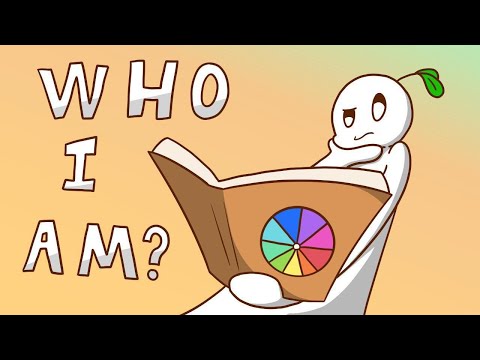
Okay, so here’s the deal. You’ve probably heard of the MBTI and Enneagram tests, right? Those quirky little quizzes that claim to tell you who you are?
Este blog ofrece contenido únicamente con fines informativos, educativos y de reflexión. La información publicada no constituye consejo médico, psicológico ni psiquiátrico, y no sustituye la evaluación, el diagnóstico, el tratamiento ni la orientación individual de un profesional debidamente acreditado. Si crees que puedes estar atravesando un problema psicológico o de salud, consulta cuanto antes con un profesional certificado antes de tomar cualquier decisión importante sobre tu bienestar. No te automediques ni inicies, suspendas o modifiques medicamentos, terapias o tratamientos por tu cuenta. Aunque intentamos que la información sea útil y precisa, no garantizamos que esté completa, actualizada o que sea adecuada. El uso de este contenido es bajo tu propia responsabilidad y su lectura no crea una relación profesional, clínica ni terapéutica con el autor o con este sitio web.
They’re like personality maps, guiding you through your own mind. Pretty cool, huh? I mean, we all want to understand ourselves better.
And let’s be honest, knowing what makes you tick can help in relationships, work, and just… life in general! You with me?
So grab your favorite drink and let’s dig into how these tests can help unravel your personality profile. It’s gonna be a fun ride!
Understanding the Most Challenging Enneagram Types to Love: Insights and Perspectives
So, let’s talk about the Enneagram and why some personality types can be a bit trickier to love than others. You might be familiar with the Enneagram – it’s kind of like a personality map that helps people better understand themselves and others. It breaks down into nine distinct types, each with its own quirks and ways of relating to the world.
Now, while every type has its own awesomeness, some can feel like a real puzzle in relationships. Let’s break down a few of those more challenging types, shall we?
Type 1: The Perfectionist
These folks are all about doing things right. They have high standards, not just for themselves but for everyone around them too. This might sound great on paper, but it can lead to some intense situations, especially if they feel things aren’t going as they should. Ever played a game where you had to adhere strictly to the rules? Imagine trying to have fun while someone is constantly pointing out every mistake!
Type 4: The Individualist
Type Fours are deeply emotional and often see themselves as unique or different from others. While that intensity can create beautiful connections, it can also lead to feelings of isolation or melodrama in relationships. It’s like playing an adventure game where one character constantly wants the story to be told their way—everyone else needs to adapt.
Type 5: The Investigator
These are the thinkers of the group! They love knowledge and might seem emotionally distant because they prefer analyzing rather than engaging with feelings. If you’ve ever tried discussing your day with someone who ends up asking way too many questions about theories instead of just listening? Yeah, super tricky.
Type 6: The Loyalist
They’re all about security and loyalty, which is fantastic until their fears start kicking in. Type Sixes tend to overthink situations and anticipate problems that may not even exist! It’s like prepping for a boss fight in a video game when you haven’t even entered the dungeon yet.
So how do you navigate loving these types? Here are some insights:
- Practice Patience: Take your time understanding their perspective.
- Open Communication: Encourage honest conversations about needs and feelings.
- Acknowledge Their Strengths: Remind them what they bring into relationships.
- Create Safe Spaces: Encourage vulnerability without fear of judgment.
In essence, loving these challenging Enneagram types means learning how to embrace their complexities while finding ways to connect meaningfully. Like anything worth having in life—relationships take effort!
And remember, if you’re feeling overwhelmed by any dynamics in your relationship or personal growth journey—especially with these personality types—it’s totally okay to seek professional help! You deserve support along the way.
Understanding the Enneagram Type with the Highest IQ: A Psychological Perspective
Sure, let’s break this down! The Enneagram is a super interesting personality model that dives into nine distinct types, each with their own quirks and traits. If you’re curious about which type tends to have the highest IQ, you’re probably looking for something that really digs into how these personalities think and operate.
First off, let’s define what IQ is. It’s all about cognitive abilities—how well we can solve problems, think critically, and understand complex ideas. But remember, IQ doesn’t measure creativity or emotional intelligence, which are also super important in life.
Now onto the Enneagram types. When it comes to the highest IQ scores, Type 5: The Investigator tends to shine the brightest. Here’s why:
- Curiosity: Type 5 individuals are naturally inquisitive and love to learn. They dig deep into subjects that interest them.
- Analytical Thinking: These folks tend to approach problems logically. You know how some people can piece together puzzles in their heads? That’s a Type 5!
- Independence: They often work alone or in small groups—this allows for deep concentration without outside distractions.
- Adept at Research: If you need someone to find every possible angle of a situation or topic—call a Type 5! They’re like information sponges.
Think about it: remember those moments when you’ve found yourself diving headfirst into a new hobby or subject? That pure enthusiasm can be super relatable if you’ve ever felt like you’re lost in the world of facts and figures; it’s like being on an adventure but in your head!
Now, there are other types too—like Type 1 (The Reformer) who has excellent self-control and attention to detail, but they might not have that same level of abstract thinking as Type 5s do.
It’s worth noting though that while Type 5s may have high cognitive abilities, that doesn’t mean they always excel in social situations. Sometimes their analytical minds can make them feel a little detached from emotions or other people’s feelings.
But hey, remember this isn’t just cut-and-dry stuff! Personality isn’t black and white. Many factors shape who we are: culture, experiences, life situations…you name it! Not everyone will fit neatly into one box.
And if you’ve taken one of those personality tests before—like MBTI mixed with the Enneagram—you might find yourself identifying with traits from multiple types. That’s totally normal.
So while there may be trends showing that Type 5 holds high IQ scores on average within the Enneagram framework, don’t forget everyone brings something unique to the table! It might be emotional intelligence instead of raw smarts—or maybe both!
In any case, if you’re diving into personality tests for self-discovery or fun (because let’s face it—it actually is fun!), that’s great! Just keep in mind it’s not a substitute for professional help if you’re grappling with deeper issues or challenges in your life.
All in all, understanding where you might fit within these categories can be enlightening—but it’s only one piece of your whole personality puzzle!
Free MBTI and Enneagram Test: Discover Your Personality Profile
Many folks are curious about personality tests like the MBTI and Enneagram. These tools can offer some neat insights into who you are, even if they’re not a magic solution to life’s problems. Let’s break down what these tests are, how they work, and what you can learn from them.
The MBTI, or Myers-Briggs Type Indicator, is based on a theory developed by Carl Jung. It categorizes you into one of 16 personality types based on four pairs of opposing traits:
- Extraversion (E) vs. Introversion (I): Do you get energized by social interactions or prefer solitary time?
- Sensing (S) vs. Intuition (N): Do you focus on the present details or enjoy thinking about the future possibilities?
- Thinking (T) vs. Feeling (F): When making decisions, do you prioritize logic or emotions?
- Judging (J) vs. Perceiving (P): Do you like to plan everything out or prefer to keep your options open?
You might be wondering how this works in real life. Let’s say you’re at a party. If you’re buzzing around chatting with everyone and soaking up the energy, you’re likely more of an Extravert. On the flip side, if you’re in a cozy corner with one friend having a deep conversation, maybe you’re leaning toward Introversion.
Now onto the **Enneagram**! This tool delves into your core motivations and fears, giving a deeper understanding of why you act the way you do. The Enneagram has nine types, each with its unique traits:
- The Reformer: You strive for perfection and can be critical.
- The Helper: You’re generous and people-oriented but might struggle with self-care.
- The Achiever: You’re goal-driven and success-focused but may worry about your worth.
- The Individualist: You value authenticity but could wrestle with feelings of envy.
- The Investigator: You crave knowledge but might isolate yourself too much.
- The Loyalist: You’re committed but might struggle with anxiety about security.
- The Enthusiast: You enjoy new experiences but could have trouble focusing.
- The Challenger: You’re assertive and protective yet may come off as intimidating.
- The Peacemaker: You seek harmony but might avoid conflict at all costs.
Consider this: if you find yourself always wanting to help others feel better—maybe even at the expense of your own needs—you might identify as a Helper in the Enneagram.
But hey, remember that while these tests offer valuable insights into our personalities, they shouldn’t define us entirely nor replace professional help if you’re facing serious issues. They can simply serve as fun starting points for self-discovery!
So if you’re intrigued by knowing yourself better or want to improve relationships with friends or colleagues—why not give these tests a go? Just keep an open mind! It’s all about learning more about yourself and growing from there—like leveling up in your favorite game!
So, let’s talk about personality tests for a sec. You know, those quizzes that promise to unveil the deepest secrets of your soul? Yeah, I mean we all probably have taken one or two, right? The MBTI and Enneagram tests are some of the most popular ones out there. They’re like the best friends you didn’t know you needed for understanding yourself better. Seriously!
Now, I remember when I first took the MBTI test. I was a little skeptical – it felt like one of those magazine quizzes asking if you’re more like a cat or a dog. But hey, when I got my results back and found out I was an INFJ (the Advocate), it felt like someone had cracked open a window in my brain! Suddenly, things made sense. Like that time in college when my friend’s drama made me feel all kinds of anxious because I just couldn’t deal with conflict well.
The thing is, these tests are supposed to help you figure out how you think and feel about stuff, right? The MBTI divides personalities into 16 types based on preferences in four categories: introverted vs extroverted, sensing vs intuition, thinking vs feeling, and judging vs perceiving. It sounds complicated but it really just helps paint a clearer picture of who you are.
On the other hand, we’ve got the Enneagram test which goes even deeper into motivations and fears. With nine basic types – think of them as your personality’s wrestling moves – this test digs into why you act the way you do. For example, if you find yourself stressing over every little detail (hello type One), it might be because you’re driven by a need for perfection.
But here’s where my mind starts racing: Do these profiles really capture everything that makes us…well us? Sure they give great insights and can help reveal patterns in our behaviors—like why you feel drained after socializing or why taking charge comes naturally to someone else—but life isn’t always so neatly categorized. People change; experiences shape us! So while these tests can offer some fun nuggets of awareness about yourself or others in your life, they shouldn’t box anyone in.
Anyway, if you’re considering taking one (or both) of these tests—go for it! Just approach ‘em like an ice cream flavor sampler at your favorite scoop shop; they’re fun to try but not necessarily what you’ll stick with forever. So whether you’re an INFP winging it through life or a Type 3 hustling hard on your goals—keep exploring who you are outside those letters or numbers too!