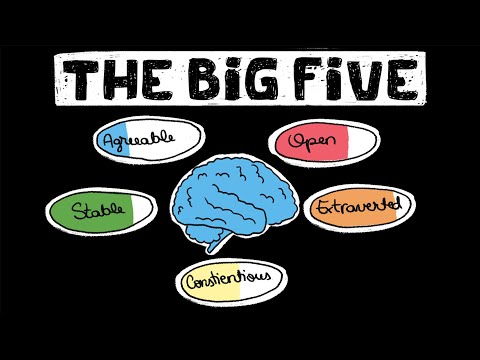
Hey you! Ever wonder why you click with some people and not others? Or why sometimes you’re a total social butterfly and other times you prefer Netflix and snacks?
Este blog ofrece contenido únicamente con fines informativos, educativos y de reflexión. La información publicada no constituye consejo médico, psicológico ni psiquiátrico, y no sustituye la evaluación, el diagnóstico, el tratamiento ni la orientación individual de un profesional debidamente acreditado. Si crees que puedes estar atravesando un problema psicológico o de salud, consulta cuanto antes con un profesional certificado antes de tomar cualquier decisión importante sobre tu bienestar. No te automediques ni inicies, suspendas o modifiques medicamentos, terapias o tratamientos por tu cuenta. Aunque intentamos que la información sea útil y precisa, no garantizamos que esté completa, actualizada o que sea adecuada. El uso de este contenido es bajo tu propia responsabilidad y su lectura no crea una relación profesional, clínica ni terapéutica con el autor o con este sitio web.
That’s where the Big Five personality traits come in. They can totally help explain what makes you, well, you!
So, if you’re curious about your personality profile, I’ve got just the thing for you. A free test that breaks it all down. Seriously, it’s like having a little chat about yourself! Ready to find out more? Let’s see what makes your personality tick!
Understanding the Big Five Personality Test: Assessing Your Traits and Behaviors
The Big Five Personality Test is one of those cool tools that can help you get to know yourself a little better. It’s based on five core traits that you probably exhibit in your everyday life, whether you’re aware of them or not. Let’s break it down!
1. Openness to Experience
This trait reflects how open-minded you are to new ideas and experiences. If you love trying out new foods, exploring different cultures, or diving into creative hobbies, you’re likely high in this trait. Think about it like playing an open-world game: the more you explore, the more experiences and treasures you find! On the flip side, if you’re more traditional and prefer routine over spontaneity, you’re on the lower end of this spectrum.
2. Conscientiousness
This trait is all about how organized and dependable you are. Are you the type who plans everything out or maybe prefers to wing it? People who score high here tend to be disciplined, responsible, and good at setting goals—like that friend who’s always ready for a study group because they have their notes sorted out and color-coded. Low conscientiousness might mean someone is more laid-back or spontaneous.
3. Extraversion
If you thrive in social situations and love being around others, welcome to the extraversion club! High scorers often feel energized by company—think of those extroverted characters in video games who charge into battle with their friends at their side. On the other hand, if social situations drain your energy and you’d rather chill at home with a book or a game—it’s possible you’re more introverted.
4. Agreeableness
This one deals with how friendly and compassionate you are towards others. If you’re empathetic, try to see things from different perspectives, or help friends in need easily—you likely score high here! Imagine playing a co-op game where teamwork matters; agreeableness helps keep harmony so everyone can win together! Lower agreeableness means someone may be more competitive or skeptical.
5. Neuroticism
Neuroticism measures emotional stability. Those with high scores may experience emotions like anxiety or mood swings more intensely—like an unpredictable weather system in your favorite game that could suddenly change from sunny to stormy! Meanwhile, low neuroticism indicates resilience; these folks handle stress without tossing their controller across the room.
In summary:
- Openness: Creativity vs Routine
- Conscientiousness: Organized vs Spontaneous
- Extraversion: Social vs Introverted
- Agreeableness: Compassionate vs Competitive
- Neuroticism: Emotional Stability vs Uncertainty
Taking a free Big Five personality test can reveal where you stand on these traits—helping clarify what drives your actions and thoughts. But remember—it’s just a tool for insight; it doesn’t replace professional help if you’re dealing with deeper issues!
So next time you’re wondering why you reacted a certain way during a stressful situation or why some social gatherings leave you drained while others charge you up—consider taking this test! It might just illuminate some interesting parts of your personality puzzle!
Take the Free Big 5 Personality Test to Understand Your Traits
The Big Five Personality Traits, also known as OCEAN, are a super popular way to think about how people act and feel. They help you understand yourself better. You know how you sometimes feel like you’re a bit of a dreamer or too cautious? Well, that’s exactly the kind of stuff these traits cover.
First off, let’s break down what each trait means:
- Openness: This is all about your willingness to try new things. Are you an adventure seeker or more of a homebody? If you love experimenting with food or traveling to unknown places, you might score high here.
- Conscientiousness: Think of this as your level of organization and dependability. Are you the one who always has their homework done? Or do you tend to procrastinate until the last minute? A high score means you’re very reliable.
- Extraversion: This one’s about your sociability. Do you thrive in group settings, or would you rather have a quiet night in? An extrovert will often find energy from being around others.
- Agreeableness: This trait reflects how compassionate and cooperative you are. If you’re the friend who always lends a listening ear or goes out of your way to help someone, that’s agreeableness shining through!
- Neuroticism: This measures emotional stability. Do small things stress you out easily? A high neuroticism score might mean you’re more prone to anxiety and mood swings.
So why take the free Big Five Personality Test? It’s like getting an informal snapshot of what makes you tick! Plus, understanding these traits can really help in areas like personal relationships and even career choices. For instance, if you’re highly open but low on conscientiousness, maybe careers in creative fields will suit you better than something meticulously structured.
But hey, it’s important to mention that while this test can be super insightful, it’s not a replacement for professional advice. Think of it more like getting some fun hints about yourself.
I remember taking my first personality test years ago—I was totally blown away! Finding out I was super high on openness explained why I’d bounce from one hobby to another so often: painting one week and then learning guitar the next! It helped me see that my restlessness was just part of who I am.
In short, understanding your Big Five traits can be quite enlightening—almost like looking in a mirror but one that’s a little cracked and shows both the beautiful and wacky sides of who we are. So go ahead and give it a shot!
Downloadable Big Five Personality Test PDF: Understand Your Personality Traits
Big Five Personality Traits are a way to understand human personality. Think of them as five big puzzle pieces that, when put together, give a pretty good picture of who you are and how you behave. Want to learn more? Let’s break it down!
1. Openness to Experience: This trait is all about how open-minded you are. Do you love trying new things or do you prefer the familiar? High scores in this area often mean you’re imaginative or curious. For instance, if you enjoy mixing up your routine and experimenting with new recipes, you’ve got a good amount of openness.
2. Conscientiousness: This is about being organized and responsible. If you’re someone who makes to-do lists and sticks to them, you’re probably high in conscientiousness. On the other hand, if procrastination is your middle name, well—you might score lower here! Basically, conscientious people tend to plan ahead and think carefully before acting.
3. Extraversion: Are you the life of the party or more of a wallflower? Extraverts get energized by social interactions; they thrive around others and often seek out social gatherings like game nights or meetups with friends. Introverts may still enjoy socializing but need time alone to recharge afterward.
4. Agreeableness: This is all about how compassionate or cooperative you are towards others. High agreeableness means you’re likely more trusting and get along well with others—think of someone who’s always ready to lend a helping hand. If you’re more skeptical or competitive, your score might be lower in this area.
5. Neuroticism: This trait refers to emotional stability versus instability. If small setbacks send you spiraling, that’s a sign of higher neuroticism—feeling anxious or easily stressed can be common here! Conversely, those low in this trait tend to handle life’s ups and downs with more ease.
Now let’s talk about why having this knowledge can be beneficial for you:
- Self-Discovery: Understanding where you fit on each spectrum gives insights into your decisions.
- Improved Relationships: Knowing yours—and others’—traits can help navigate social dynamics better.
- Coping Strategies: If you’re aware that anxiety (a part of neuroticism) influences your reactions, it can help manage those moments.
So maybe you’ve seen a downloadable PDF for a Big Five personality test floating around online? They’re often free and let you explore these traits at your own pace! Just keep in mind they aren’t meant as substitutes for professional advice if you’re dealing with deeper psychological issues.
In the end, exploring these traits through tests can be fun and enlightening! Just remember: we all have our unique mix that makes us who we are—and that’s pretty awesome!
You know, I was chatting with a friend the other day, and we stumbled upon this whole discussion about personality types. It’s funny how just knowing a little bit about yourself can change the way you interact with the world. We ended up taking one of those free Big Five personality tests online, which got me thinking…
The Big Five traits are pretty fascinating—Openness, Conscientiousness, Extraversion, Agreeableness, and Neuroticism. Sounds fancy, right? But really, it breaks down to stuff we all feel and experience. For example, if you’re high on Openness, you might be that adventurous friend who loves exploring new ideas or cultures! I remember when my buddy took the test and discovered they were super high in Openness—they used to think everyone was just a little weird for loving eclectic things like avant-garde art or spicy food. It actually helped them embrace their uniqueness more.
Now Conscientiousness is like your inner planner. If you’re someone who can’t stand clutter and lives by lists and schedules—well then, you’ve probably got that trait on lock down. Imagine my sister taking the test; she’s super organized! She needs everything in its place so she can function. Totally gets her from freaking out when things go off-script.
Extraversion is another biggie. Some people thrive in social settings while others recharge alone—it’s all valid! I mean it can be tough if you’re an introvert trying to keep up in a room full of extroverts at a party, right? My buddy who’s an introvert always fakes it till he makes it and thought he wasn’t social enough until he took this test! He realized he wasn’t alone; he just needed smaller gatherings with close friends instead of massive bashes.
And then there’s Agreeableness—do you play nice or are you more of a tough-love kind of person? My partner’s definitely higher in that area; they’re always ready to lend a helping hand! It makes group projects easier for them but can sometimes lead to burnout since they hate saying no.
Neuroticism is that trait everyone loves to talk about: basically how emotionally expressive you are about stress or anxiety (hey we all have those days). So many folks think they need to be perfect at dealing with stress but trust me—we’re all human here! A high score there doesn’t mean something’s wrong; it’s just part of being real.
So when you take one of those free tests online—it’s kind of like getting a little mirror held up to your personality. Sure, it’s not totally definitive because humans are complex beings (seriously), but it gives a decent peek into your quirks. Plus, understanding where you fall on these traits can help improve relationships too!
Anyway—what’s your take? Have any hilarious moments come from discovering something new about yourself through these kinds of tests? I’d love to hear them!

