Hey, you! Have you ever met someone who seems to live in their own head? You know, those folks who are full of ideas but might struggle with small talk? Yeah, I’m talking about INTPs.
Este blog ofrece contenido únicamente con fines informativos, educativos y de reflexión. La información publicada no constituye consejo médico, psicológico ni psiquiátrico, y no sustituye la evaluación, el diagnóstico, el tratamiento ni la orientación individual de un profesional debidamente acreditado. Si crees que puedes estar atravesando un problema psicológico o de salud, consulta cuanto antes con un profesional certificado antes de tomar cualquier decisión importante sobre tu bienestar. No te automediques ni inicies, suspendas o modifiques medicamentos, terapias o tratamientos por tu cuenta. Aunque intentamos que la información sea útil y precisa, no garantizamos que esté completa, actualizada o que sea adecuada. El uso de este contenido es bajo tu propia responsabilidad y su lectura no crea una relación profesional, clínica ni terapéutica con el autor o con este sitio web.
These people are often labeled as the «thinkers» of the personality world. But there’s a lot more going on under the surface. Seriously, their minds work like a complex puzzle, and it’s fascinating!
Let’s take a little peek at their cognitive functions. It’s like digging into the software that runs their brain! Ready for a fun ride through thought processes and inner workings? Let’s roll!
Understanding What INTPs Are Drawn To in Romantic Relationships
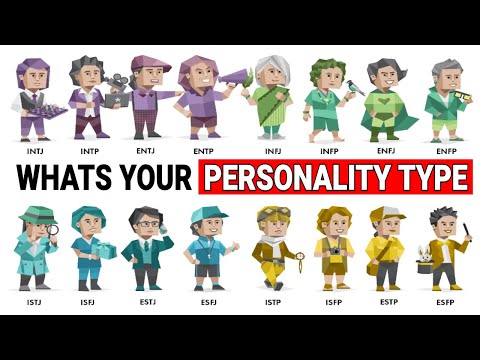
So, you’re curious about what INTPs are drawn to in romantic relationships? Let’s break it down. INTPs, or «The Thinkers,» are one of the 16 personality types in the Myers-Briggs Type Indicator (MBTI). They often have rich inner worlds and a love for exploring ideas, but what does this mean for their romantic lives?
First off, INTPs value intellectual connection. They look for partners who can engage them in deep conversations. It’s not just about small talk; they want to discuss philosophy, science, or any topic that sparks curiosity. Imagine playing a strategy game like *Civilization*, where every turn lets you plan and explore new ideas together. If a partner can keep up with an INTP’s thoughts and challenges, it creates an amazing bond.
Moreover, they appreciate independence. INTPs need their personal space. They thrive when they can think freely without feeling overwhelmed by expectations. This doesn’t mean they’re not committed; it just means they don’t want to lose themselves in a relationship. Like in games where you have to balance your character’s skills—you can’t go all-in on one thing without hurting others.
Now, let’s talk about emotional depth. While some might see them as distant or aloof, INTPs feel deeply but might struggle to express those emotions. They’re drawn to partners who can help them navigate this territory gently. A supportive partner who encourages open discussions can help an INTP feel more comfortable sharing their feelings—kind of like finding allies in a co-op game!
Also important is curiosity. An INTP loves exploring new experiences with someone special. Travel? Yes! Trying out that new sushi place? Absolutely! An adventurous spirit keeps things exciting and encourages growth within the relationship.
One thing that trips up relationships with INTPs is when partners demand too much emotion too quickly. They may retreat into their thoughts if things feel overwhelming or intense right away. Instead of pushing harder for those emotional moments, maybe approach them slowly—like leveling up gradually in a game rather than rushing into boss battles.
Some common traits they appreciate in partners include:
- Open-mindedness: They enjoy discussing unconventional ideas.
- Sarcasm: A shared sense of humor can spark connection.
- Depth: They want someone who looks beneath the surface.
In summary, INTPs are unique when it comes to romance—they thrive on intellectual stimulation and independence yet crave emotional honesty at their own pace. Finding a partner who understands these dynamic layers can lead to enriching connections.
If you’re an INTP or interested in one, remember that every individual is different! These insights are meant for reflection and don’t replace professional advice if needed. Just approach relationships genuine curiosity and trust—the journey itself is part of the fun!
Comprehensive Guide to INTP Cognitive Functions: Understanding the Brain’s Mechanisms
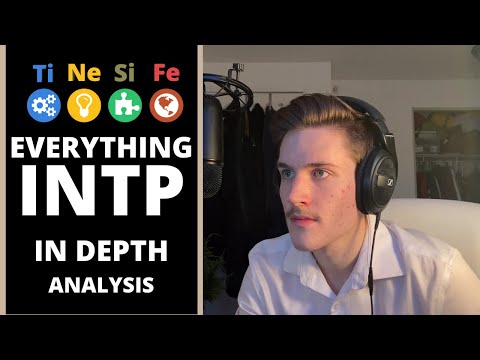
Understanding the cognitive functions of an INTP can be, well, pretty fascinating. You know, it’s like peeking inside the brain’s toolbox—seeing how they process the world and solve problems. If you’re curious about what makes an INTP tick, let’s break it down step by step.
1. Introverted Thinking (Ti)
This is the top dog for INTPs. It’s all about analyzing information internally. Imagine you’re in a puzzle game; you take time to understand each piece before rushing to fit them together. Ti helps INTPs organize their thoughts logically and seek consistency in their beliefs.
2. Extraverted Intuition (Ne)
Next up is Ne, which is like a mental explorer. You’re always bouncing from one idea to another, looking for connections and possibilities. Think of it as playing an open-world game where every decision can lead you down a new path—unexpected but exciting!
3. Introverted Sensing (Si)
Si is more about reflection and recalling experiences. For an INTP, this function helps them ground their ideas with past knowledge or memories even if it feels less dominant than Ti or Ne. Picture a character in a game who checks their map every once in a while to remember what they’ve learned before embarking on a new quest.
4. Extraverted Feeling (Fe)
Fe is the social aspect that sometimes feels like a side quest for INTPs. It’s how they interact with others emotionally and understand group dynamics, even if they’re not always tuned into those feelings themselves! Like choosing dialogue options in games that affect character relationships—it’s important but not their main focus.
So why do these functions matter? Well, knowing how an INTP operates can really help in understanding their strengths and challenges, especially in communication and collaboration.
- Problem Solving: They thrive on logical analysis.
- Idea Generation: Their Ne drives creativity.
- Reflective Learning: They use Si to connect new ideas to past experiences.
- Coping with Emotions: Fe may need development for better social interactions.
Now picture this: maybe you’re playing a cooperative strategy game with your INTP friend who takes ages to make decisions because they want everything perfectly analyzed first! That’s classic Ti at work—wanting to ensure every move counts while leaning on Ne for potential outcomes!
In everything they do, these cognitive functions come together like pieces of a puzzle—each one contributing uniquely to make the whole picture clearer and more vibrant.
Just remember—while this breakdown can be enlightening and might help you understand yourself or those around you better, it doesn’t replace professional help when needed! If you’re struggling or seeking deeper insights into your mental health or personality traits, chatting with someone qualified is always wise.
Overall, understanding these cognitive functions can offer clarity on why your INTP friend thinks differently or approaches life uniquely! And honestly? That’s part of what makes human interaction so rich and interesting!
Understanding ENTP Cognitive Functions: A Comprehensive Guide
Oh, the ENTP! You know, these folks are often seen as the ultimate brainstorming buddies—the kind of people who light up a room with their ideas and creativity. Let’s unpack their cognitive functions in detail.
Dominant: Extraverted Intuition (Ne)
This is where the magic starts. ENTPs have this incredible ability to see patterns and possibilities everywhere. They’re like human idea factories, generating thoughts faster than you can say “brainstorm.” Picture a game of chess where every move opens up a million new strategies. That’s Ne in action! They thrive on novelty and can get bored if things stay too predictable for too long.
Auxiliary: Introverted Thinking (Ti)
After brainstorming all these ideas, ENTPs need to analyze them. Enter Ti, their trusty sidekick! This function helps them sift through their creative mess to find what actually makes sense. It’s like having an internal detective that asks, “Does this really work?” They evaluate everything logically, which can make them super critical but also really insightful.
Tertiary: Extraverted Feeling (Fe)
Now here comes Fe, which takes care of the emotional side of things. ENTPs use this function to connect with others—though it might not be as strong as in other personality types. Think of it like having a nice chat while playing a co-op video game: they enjoy making friends but might struggle with deep emotional stuff sometimes. They want to be liked but often prioritize ideas over feelings.
Inferior: Introverted Sensing (Si)
Si is the weaker part for ENTPs, often leading them to overlook details or past experiences. It’s like trying to remember all the rules in a complex board game after just one round—you might forget some important bits! They may not always stick to routines or traditions because they’re busy chasing new ideas instead.
All these functions work together like pieces of a puzzle in an ENTP’s mind:
- Ne: Generates endless ideas.
- Ti: Filters those ideas logically.
- Fe: Connects emotionally with others.
- Si: Sometimes struggles with detail and tradition.
So how does this all play out in real life? You might see an ENTP jumping from topic to topic during a conversation or throwing out wild theories at dinner parties—it’s just how they roll! But hey, that doesn’t mean they’re not listening; they’re just processing information differently.
Remember though—this isn’t an exhaustive guide by any means; there’s depth and nuance that individual experiences can add! And if you’re finding personality types fascinating or puzzling for your own life or someone else’s, it could be helpful to dive deeper into psychology or maybe even chat with someone who knows about it professionally. Just consider it food for thought!
So, you know how some people just seem to think differently? Like they see the world through a unique lens? If you’ve ever met an INTP, you might have noticed that vibe. INTPs are often labeled as the “thinkers” or “architects” of the personality types, and honestly, it’s pretty interesting to peel back the layers of how they operate.
Let’s take a little journey into their cognitive functions – those mental processes that shape how they perceive and interact with the world. First off, INTPs lead with Introverted Thinking (Ti). This is like their inner calculator, constantly analyzing everything. It’s not just about being logical; it’s about internal coherence. You could say it’s where their curiosity blooms! They want to understand why things are the way they are and will dissect ideas like a surgeon, looking for the underlying principles.
Then there’s Extraverted Intuition (Ne), which supports their Ti. Think of Ne as that friend who sees possibilities everywhere – jumping from idea to idea like a kid in a candy store. So when an INTP starts brainstorming or going off on tangents during conversations, that’s Ne having a field day! Sometimes it might seem scattered or unfocused, but trust me; there’s method to the madness.
Now, here comes Introverted Sensing (Si). For most INTPs, this function is more dormant but still plays an essential role. It acts like an archive of past experiences. When they do pull from Si, it can ground them in reality – providing some context based on old memories or learned information. But let’s be real: when you’re deep into independent thinking and exploring theories, Si can feel like a cage!
Finally, we’ve got Extraverted Feeling (Fe), which tends to be their weakest function. It doesn’t mean they lack empathy; rather, it’s not their primary mode of operation. Think about a time when you’ve tried to navigate complex social situations and felt out of your depth—that’s kind of what Fe feels like for them sometimes.
You know what really gets me? The way these functions all mix together creates such fascinating dynamics! I remember talking with my buddy who’s an INTP about his interests in philosophy and science fiction. He could dissect concepts while jumping between theories in seconds! I was left wondering how he could connect dots I didn’t even see—and it left me both baffled and inspired!
All in all, understanding these cognitive functions gives us insight into what makes INTPs tick—how they process information and relate to others (or sometimes struggle with it). So if you’re lucky enough to have one in your life, just remember: beneath that analytical exterior is someone who genuinely wants to explore ideas deeply—even if it means sometimes getting lost along the way!