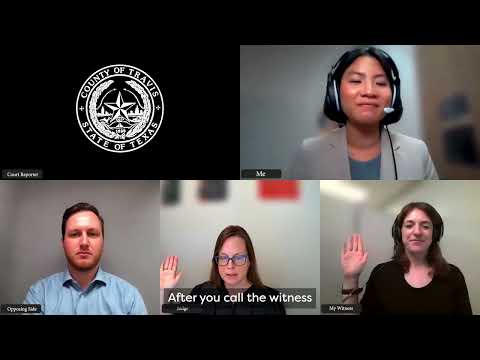
Hey! So, let’s chat about something that’s a bit juicy and a whole lot more interesting than it might sound at first. You know how in movies, they always have those intense court scenes? Well, one of the big players behind the curtain is this little thing called “leading a witness.”
Este blog ofrece contenido únicamente con fines informativos, educativos y de reflexión. La información publicada no constituye consejo médico, psicológico ni psiquiátrico, y no sustituye la evaluación, el diagnóstico, el tratamiento ni la orientación individual de un profesional debidamente acreditado. Si crees que puedes estar atravesando un problema psicológico o de salud, consulta cuanto antes con un profesional certificado antes de tomar cualquier decisión importante sobre tu bienestar. No te automediques ni inicies, suspendas o modifiques medicamentos, terapias o tratamientos por tu cuenta. Aunque intentamos que la información sea útil y precisa, no garantizamos que esté completa, actualizada o que sea adecuada. El uso de este contenido es bajo tu propia responsabilidad y su lectura no crea una relación profesional, clínica ni terapéutica con el autor o con este sitio web.
Yeah, that’s right! It’s when lawyers kind of nudge witnesses to spill exactly what they want to hear. Sounds sneaky, huh? But it gets deeper than just a few clever questions.
There’s this whole ethical side that gets tossed into the mix too. Like, is it smart or just straight-up wrong? And what happens when the line gets blurred? Let’s dig into how it works and why it even matters. You with me?
Understanding Leading a Witness: Clear Examples and Psychological Implications
Leading a witness is like trying to guide someone through a maze while holding their hand. You want to get them to a specific point, but how you do that can really change what they see along the way. In legal settings, this kind of maneuvering can seriously bend the truth, and that’s where things get sticky. Let’s break down what it means and the psychological implications behind it.
What is Leading a Witness?
In straightforward terms, leading a witness happens when someone asks questions that suggest their own answers. Imagine you’re playing a game of charades, and instead of simply asking “Is it an animal?” you ask “Is it a fluffy dog?” That specific question nudges the person towards a particular answer.
So in court, if an attorney asks, “You saw the blue car speeding away from the scene, right?” they’re not just looking for any answer; they’re steering the witness toward confirming their version of events. This isn’t always fair game.
Examples of Leading Questions
Here are some common examples you might come across:
- “Isn’t it true that you were at the party last Saturday?”
- “Wouldn’t you agree that he looked dangerous?”
- “You felt scared when she yelled at you, didn’t you?”
These questions suggest particular answers rather than allowing for open responses. It’s like giving clues in a game when what’s needed is honesty and clarity.
The Ethics Behind It
This raises some big ethical questions. If witnesses are nudged toward particular answers—sometimes unknowingly—how reliable are their testimonies? Well, here’s where psychology plays its role: people can unconsciously adopt suggestions without realizing it. It’s known as suggestibility.
Say someone experienced trauma during an event; they may end up filling in gaps with fabricated details based on questions posed to them later on. Just kind of wild to think about how easily memories can be influenced!
On top of that, there’s always going to be concerns about fairness in legal proceedings. One person’s quest for “the truth” might twist reality into something else entirely.
The Psychological Implications
When witnesses get led during questioning, several psychological factors kick into gear:
- Memory Reconstruction: Memories aren’t perfect snapshots; they’re more like clay sculptures we shape over time.
- Confirmation Bias: People tend to see what they expect or want to see.
- Sociocultural Influences: A witness’s background can greatly affect how they respond or interpret leading questions.
It all ties back to humans being complex creatures who react differently depending on context—even more so under pressure.
The Takeaway
At the end of the day, understanding leading witnesses is crucial whether you’re watching legal dramas or actually involved in something serious. It’s not just about knowing how questions work; it’s about recognizing the power dynamics at play and remembering that every individual has their own story colored by experience and emotion—and that’s something really worth respecting!
Always remember though: this insight isn’t therapy or professional advice—it simply helps paint an intricate picture of how we communicate and perceive truth!
The Best Colors to Wear for Depositions: Enhancing Your Presentation and Confidence
When you’re prepping for a deposition, the **colors** you choose to wear can actually play a big role in how you come across. Think about it: we all have those go-to outfits that just make us feel good, right? Well, it’s not just your mood that matters; it’s also about the vibe you’re sending out to others. Colors can communicate confidence, trustworthiness, and even calmness. Seriously, they do!
First up are **neutral colors**. These include shades like black, gray, beige, and navy. Wearing one of these can give off a professional impression without being too flashy. Black is often associated with authority and seriousness. Navy blue? It suggests trustworthiness—perfect for making sure the people sitting across from you feel like they can take you seriously.
Then we have **cool colors** like blue and green. Blue is calming—it’s like putting on a chill playlist before a big game; it helps set the tone! Think about how many brands use blue because it evokes reliability. In fact, research has shown that wearing blue can help people perceive you as more competent.
Now let’s not forget about **warm colors**, which include red and orange. Red may come off as assertive; it’s energizing! But be careful here—too much red could feel aggressive in a setting where you want to seem trustworthy and calm. Orange is more friendly and approachable but doesn’t always scream «professional» if that’s what you’re going for.
Here are some things to consider when picking your colors:
- Understand Your Audience: What might work for one group might not work for another.
- Keep It Simple: Avoid overly busy patterns, which might distract from what you’re saying.
- The Season Matters: Lighter colors in spring or summer and darker shades in fall or winter may help fit the mood.
- Your Skin Tone Counts: Some colors just look better on certain skin tones—know what works best for you.
So picture this: Imagine you’re wearing a crisp navy blazer over a white shirt with cool khakis during your deposition. You walk in feeling polished and confident—not too loud but definitely not fading into the background either.
And while we’re talking about presence and confidence during something like leading a witness or navigating tricky questions from opposing counsel, remember what clothes do—they enhance how your message is perceived! So if you’re dressed well and comfortable in what you’re wearing, you’ll be more likely to express yourself clearly.
To wrap things up—while color choices matter greatly when you’re presenting yourself (especially under pressure), don’t forget that preparation is key too! Knowing your facts inside out goes hand-in-hand with looking great.
Always approach these situations ethically; remember being genuine will make all the difference! Dressing well can elevate your confidence but engaging respectfully with witnesses ensures credibility over time. So go ahead! Choose those colors wisely—it’s part of your game plan to shine!
Three Key Characteristics of an Effective Witness: Insights from Psychology
Sure, let’s talk about the characteristics that make an effective witness, especially in a courtroom setting, where your voice matters a lot. It’s all about how people perceive and process information. So here are three key traits that can really set a witness apart.
1. Clarity of Memory
First off, clarity of memory is huge. A witness needs to remember details accurately. It’s like trying to recall every detail from your favorite video game; you know the plot twists and character moves down pat, right? But if you’re unsure about what happened at key moments—like who did what or when—things can get messy.
Researchers have shown that reliable memories are linked to several factors: stress levels, the passage of time since the event, and even how closely someone was paying attention. Think of it this way: in a high-pressure situation, some people might remember everything vividly while others might not recall basic facts.
2. Effective Communication Skills
Next up is communication skills. It’s one thing to know what happened, but it’s another to communicate it clearly. An effective witness must convey their observations in a way that makes sense to everyone involved—from jurors to judges.
Imagine you’re trying to explain a complex game strategy to a friend who’s never played before; you wouldn’t use jargon or overly complicated terms! You’d break it down into simpler parts so they could follow along easily. Good witnesses do just that—they take their memories and turn them into coherent narratives without stumbling through their words or losing focus.
3. Emotional Stability
Lastly, emotional stability plays an important role too! A lot can happen during legal proceedings that could rattle even the calmest person—a loud outburst from the gallery or unexpected questioning from attorneys can shake anyone up!
Think about playing an intense game where everything is on the line; if you let your emotions get the better of you, it could cost you dearly! Similarly, witnesses need to remain composed under pressure so they don’t misrepresent what they’ve seen simply because they’re feeling overwhelmed.
To sum up:
- Clarity of Memory: Reliable recollections matter.
- Effective Communication Skills: Telling a clear story helps everyone understand.
- Emotional Stability: Staying calm ensures accurate testimonies.
Each of these traits contributes significantly to making someone an effective witness in legal scenarios—and that’s no small feat! Remember though: while understanding these characteristics is important for personal insight or curiosity’s sake, getting legal advice or professional help should always come from qualified individuals when needed.
You know, when we talk about “leading a witness,” it sounds like something out of a dramatic courtroom scene, right? But seriously, it’s more like this complex dance between how questions are framed and the truth that comes out. Picture this: you’re sitting in a cozy café with a friend, and they start telling you about their weird encounter with a neighbor. You might nudge them to share juicier details, maybe unintentionally steering the story. That’s kind of what leading a witness looks like—guiding their responses in ways that could alter the narrative.
Let’s say you’re trying to get your buddy to tell you whether they think their neighbor is just eccentric or actually up to no good. If you throw in leading questions like “So, you think he’s just being paranoid?” you might not just be curious anymore; you’re pushing them down a certain path. And honestly? That can happen without even realizing it!
Now, when we turn our gaze toward ethical considerations—whoa—it gets dicey. It’s super vital for anyone in legal settings to maintain fairness and integrity. For instance, if an attorney asks questions that suggest answers or emotions, they risk bending the truth like it’s made of silly putty. The impact on someone’s testimony can be huge. I mean, imagine being on trial for something serious; having your words twisted or nudged could change everything.
A long time ago, I had this experience where I was part of a focus group about local issues. The moderator—bless their heart—kept rephrasing questions in ways that made us lean towards certain views instead of sharing honest opinions. It felt shady and unfair! And I started wondering if my response was even genuine or just what they wanted to hear.
So here’s the thing: while sometimes we might unintentionally lead someone based on our curiosity (or bias), for professionals dealing with testimonies and legal matters everything gets magnified—one slight nudge can tip scales of justice! It raises a thought-provoking question: how much responsibility do we have when we’re asking others about their experiences? Are we really listening or pushing our agenda?
The bottom line? We all need to check ourselves from time to time. Creating space for honest conversations means stepping back and allowing the person involved to share their truth freely—without any strings attached! So maybe next time you’re asking someone about their story or experience…just remember: sometimes less is more!