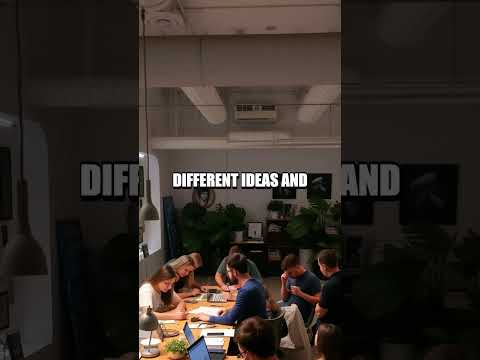
So, you know how we all kinda move through life with these invisible rules? Yeah, those are shaped by our cultures. Think about it—what feels normal to you might seem totally bizarre to someone from a different background.
Este blog ofrece contenido únicamente con fines informativos, educativos y de reflexión. La información publicada no constituye consejo médico, psicológico ni psiquiátrico, y no sustituye la evaluación, el diagnóstico, el tratamiento ni la orientación individual de un profesional debidamente acreditado. Si crees que puedes estar atravesando un problema psicológico o de salud, consulta cuanto antes con un profesional certificado antes de tomar cualquier decisión importante sobre tu bienestar. No te automediques ni inicies, suspendas o modifiques medicamentos, terapias o tratamientos por tu cuenta. Aunque intentamos que la información sea útil y precisa, no garantizamos que esté completa, actualizada o que sea adecuada. El uso de este contenido es bajo tu propia responsabilidad y su lectura no crea una relación profesional, clínica ni terapéutica con el autor o con este sitio web.
There’s something fascinating about how organizations fit into this puzzle. They have their own culture too! Like, why does one place feel like a second home while another feels stiff and uncomfortable? That’s the vibe they create, and it’s all in the mind.
The cool part? This isn’t just about workplaces; it’s about understanding people. When we grasp how culture influences our thoughts and actions, everything clicks into place. It’s like discovering a new lens to see the world through!
So, let’s break down this whole «software of the mind» thing together. Trust me, it’s gonna be a ride!
Understanding the Synopsis of Cultures and Organizations: A Software of the Mind Approach
Alright, let’s break this down in simple terms! When we talk about cultures and organizations, we’re really diving into how groups of people think, act, and interact. It’s almost like a software program for the mind that guides behavior and decisions. This idea comes from a fascinating book called “Cultures and Organizations: Software of the Mind” by Geert Hofstede.
The core concept is that culture shapes our perceptions and behaviors. It’s these shared values and norms that influence everything—from how we communicate to how we solve problems in different settings. Picture it like this: just as a video game has its own rules that dictate how you play, cultures have their own sets of rules that dictate social interactions.
So what are some key elements of culture? Well, here are a few important ones:
- Power Distance: How a society deals with inequalities among people. For instance, in some cultures, people respect authority figures heavily, while others promote equality.
- Individualism vs. Collectivism: This one focuses on whether people see themselves as individuals or as part of a group. In individualistic cultures (like the U.S.), personal achievements matter more. In collectivist cultures (like Japan), group harmony is crucial.
- Masculinity vs. Femininity: This measures the value placed on traditional male traits (like competitiveness) versus female traits (like caring). It’s about whether societies emphasize achievement or nurturing.
- Avoidance of Uncertainty: Cultures vary in their tolerance for uncertainty and ambiguity. Some places might embrace change easily; others prefer strict rules and plans.
- TIMELINESS: Cultures can also differ in how they perceive time—whether they are punctual or more relaxed about schedules.
If you think about games again—some require you to follow strict strategies to win, while others allow for more creativity and fluid approaches to gameplay—cultures operate similarly when it comes to goals and methods!
The impact on organizations? Huge! When businesses understand these cultural dimensions, they can create environments where everyone feels valued—and trust me, that boosts morale! For example, if an American company is expanding into Japan, realizing the importance of hierarchy there will help them adapt their management style accordingly.
The takeaway? Understanding these cultural aspects isn’t just academic; it actually influences real-life situations! I mean, remember that time when your team had conflicting ideas? That might’ve stemmed from differing cultural backgrounds affecting how each person communicated their thoughts!
This isn’t just about learning names or theories but applying what you’ve learned to foster better relationships at work or daily life situations! If you’re curious about your own cultural background’s influence on your thinking patterns? There are plenty of quizzes or resources online—just remember they don’t replace talking with a professional if you’re looking for deeper insights!
This approach opens our eyes to the rich tapestry of human interaction across different contexts—and honestly? That’s pretty cool! So next time you’re working with someone from another culture or organization? Just remember those “software” differences—we all bring something unique to the table!
Evaluating the Relevance of Hofstede’s Cultural Dimensions Model in Today’s Global Landscape
Hofstede’s Cultural Dimensions Model is a big deal in understanding how different cultures operate. I mean, it’s basically like a software program for human behaviors! Developed by Geert Hofstede, it categorizes cultures based on six key dimensions. These dimensions give us insights into how people from different cultures might think and act in organizations.
So, here’s the breakdown: Hofstede identified these dimensions:
- Power Distance: How much less powerful members expect to defer to more powerful ones.
- Individualism vs. Collectivism: Whether people value individual achievements or group harmony more.
- Masculinity vs. Femininity: The preference for achievement and heroism versus cooperation and caring.
- Uncertainty Avoidance: How comfortable people are with uncertainty and ambiguity.
- Long-Term vs. Short-Term Orientation: Focus on future rewards versus maintaining traditions.
- Indulgence vs. Restraint: The degree to which societies allow relatively free gratification of basic human desires.
You with me? These dimensions are super useful for businesses operating across borders. But it’s important to ask: are these dimensions still relevant today?
The world has changed quite a bit since Hofstede first developed these ideas back in the 1970s. Globalization has sped up cultural exchanges like never before! Now, cultures aren’t as isolated as they used to be; they’re mixing, blending, and evolving constantly. Think about it like your favorite video game: when you combine different strategies from various players around the world, you can create something totally new and awesome!
This cultural mixing means that applying Hofstede’s model can be tricky sometimes. For example, younger generations may lean towards individualistic values even in traditionally collectivist societies, thanks to technology and global connectivity. A kid from Japan might care just as much about personal success as someone from the U.S., right?
Plus, we need to consider how culture change can happen fast due to social movements and economic shifts. Many companies have recognized this—look at how brands tailor their marketing strategies based on local preferences! They’re not just using Hofstede anymore; they’re also digging into new research on cultural intelligence.
A strong point about Hofstede’s model is that it provides a common language for discussing cultural differences in organizations. It helps bridge gaps when teams are geographically distant but might not fully capture the nuances of every modern situation—especially with remote work being so prevalent now!
If you find yourself leading an international team or working with diverse clients, don’t forget that cultural sensitivity matters a ton! It might be great to use Hofstede’s ideas as a starting point but don’t stop there—stay flexible and open-minded!
In short, while Hofstede’s Cultural Dimensions Model is foundational for understanding cross-cultural dynamics in workplaces around the globe, it’s best used alongside other modern approaches that take today’s complexities into account. And hey, if you’re navigating these waters? Never hesitate to seek guidance or training specific to your needs!
I mean, we all know that working effectively together means respecting each other’s backgrounds while finding common ground—a bit like forming an epic alliance in a multiplayer game!
Free PDF Download: Cultures and Organizations – Understanding the Software of the Mind
You might have heard the phrase “the software of the mind” when talking about how cultures shape organizations. It’s like a toolset that influences behaviors, thoughts, and interactions. Think of it as the operating system that runs our social interactions and workplace dynamics.
So, what does this really mean? Well, cultures aren’t just about food or clothes; they’re also about values, beliefs, and practices that members of a group share. This means that when people from different cultures come together in an organization, their backgrounds can create some pretty interesting dynamics.
- Cultural Norms: These are unspoken rules we follow. For instance, in some cultures, being direct is valued. In others, indirect communication is the way to go. Imagine you’re playing a cooperative video game where communication styles clash! Confusion can easily arise.
- Values: Every culture has its own set of values which impacts decision-making in organizations. Take honesty or teamwork—different cultures might prioritize one over the other. If your team’s not on the same page? Well, you might find yourselves stuck at a tricky puzzle level because everyone approaches it differently.
- Diversity: A mix of cultural perspectives can drive innovation but also lead to misunderstandings. Just like in multiplayer games where you need different skills to win, workplaces benefit from diverse viewpoints—if everyone plays nice!
Now let’s get real for a second: when you work with folks from different backgrounds, it can lead to friction or even conflict if not managed well. For example, consider how two colleagues from different countries may perceive feedback differently: one sees it as constructive while another takes it personally.
But here’s where understanding comes into play—the more aware you are of these cultural differences within your team or organization, the better you can navigate potential bumps along the road.
And let’s not forget about leadership! Leaders often set the tone for organizational culture. Good leaders recognize their team’s diversity and adapt their style accordingly—almost like choosing avatars based on their strengths in a game!
In all this talk about culture and organizations as software of the mind, remember that while these ideas help us understand social dynamics better—they don’t replace professional help if you’re facing deep-rooted issues with these interactions.
Understanding your own cultural background and being open to others can go a long way toward building harmonious relationships at work or any group setting! So next time you’re in a meeting with diverse voices around you, think about how each person’s unique “software” is shaping the conversation. It’s pretty cool when you think about it!
You know, it’s interesting how cultures and organizations shape the way we think and behave, almost like software for our minds. Seriously, think about it. Each culture carries its own set of values, norms, and beliefs that influence our everyday decisions without us even realizing it. I mean, it’s like a hidden operating system running in the background, guiding our thoughts and actions.
For instance, let me tell you about a buddy of mine who went to study abroad in Japan. At first, he struggled a bit to fit in. The Japanese culture emphasizes harmony and respect. So while he was all about being direct and vocal – typical of our western ways – he found himself stepping on toes without meaning to. Over time though, he adapted. He learned the nuances of bowing instead of shaking hands, and being more subtle in his communication. It was fascinating to watch him evolve! He realized how powerful this cultural ‘software’ can be—shifting the way you relate to others.
Now let’s talk organizations for a second. They build their own micro-cultures which can feel so different even within the same country! You walk into a tech startup buzzing with energy; everyone’s casual and collaborative. But then you step into a law firm where everybody’s dressed to impress, strict hierarchies float around like invisible walls…
What I’m saying is that different settings crank out different behaviors based on these unwritten rules we follow like sheep! It even affects your mood; ever notice how you feel different when you enter a vibrant café compared to a library? Cultures teach us what is appropriate or not; they help set the social norms we live by.
At the end of the day though, it’s just mind-blowing how this «software» is constantly updating with new experiences or shifts in society. And sometimes these updates come from big events—a political shift or even something as small as social media trends can change what we value as a collective.
So next time you’re navigating through cultural differences at work or just chatting with friends from another background, remember that there’s a whole network of software running behind those interactions! Embrace it; it’s part of what makes us human—and honestly so much fun too!