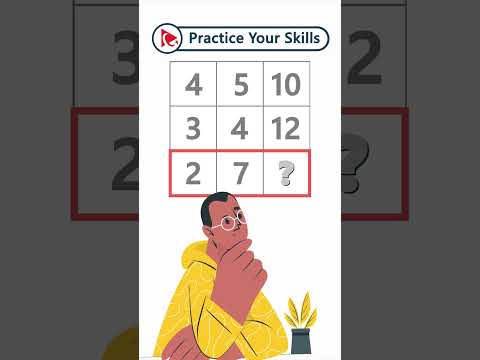
Hey, you! Ever heard of fluid intelligence? It’s one of those brainy terms that sounds super fancy, but it’s really not.
Este blog ofrece contenido únicamente con fines informativos, educativos y de reflexión. La información publicada no constituye consejo médico, psicológico ni psiquiátrico, y no sustituye la evaluación, el diagnóstico, el tratamiento ni la orientación individual de un profesional debidamente acreditado. Si crees que puedes estar atravesando un problema psicológico o de salud, consulta cuanto antes con un profesional certificado antes de tomar cualquier decisión importante sobre tu bienestar. No te automediques ni inicies, suspendas o modifiques medicamentos, terapias o tratamientos por tu cuenta. Aunque intentamos que la información sea útil y precisa, no garantizamos que esté completa, actualizada o que sea adecuada. El uso de este contenido es bajo tu propia responsabilidad y su lectura no crea una relación profesional, clínica ni terapéutica con el autor o con este sitio web.
Basically, it’s all about how we think and solve problems on the fly. You know, when you’re faced with a tricky situation and suddenly get that «Aha!» moment? Yep, that’s fluid intelligence at work!
It’s different from what you might find in a textbook or memorizing facts. This is the quick-thinking part of your brain—the one that helps you adapt to new challenges.
So let’s dig into what makes this concept tick and why it might just be more important than you think. Ready?
Key Features of Fluid Intelligence: Understanding Its Role in Cognitive Processing
Fluid intelligence is one of those concepts in psychology that’s super interesting and essential for understanding how we think and solve problems. It’s all about your ability to reason, solve new problems, and think on your feet, rather than relying on what you’ve learned over time. So basically, it’s like your brain’s agility test!
The key features of fluid intelligence can be summed up like this:
- Problem-Solving Ability: This is the core of fluid intelligence. It’s about how well you can tackle new challenges without any prior experience. Imagine playing a new board game; you have to figure out the rules as you go along. That’s fluid intelligence in action!
- Logical Reasoning: This feature helps you make connections between different pieces of information. When faced with a complex puzzle or a tricky math problem, it’s your ability to see patterns and relationships that shines through.
- Adaptability: You know how sometimes plans change at the last minute? Well, fluid intelligence helps you shift gears quickly and adjust to new situations effectively. Think about being in a team sport where the game plan suddenly changes—fluid intelligence helps you adapt on the fly.
- Working Memory: This refers to your short-term memory capacity while juggling various tasks at once. For example, trying to remember multiple instructions while cooking a new recipe shows how fluid intelligence plays out in everyday life.
- Creativity: Some people might not see creativity as linked to intelligence, but it absolutely is! Fluid intelligence can fuel creative thinking by allowing you to combine different ideas or concepts in unique ways. Picture brainstorming ideas for a project without any guidelines—that’s where creativity meets fluidity!
Fluid intelligence is super important for cognitive processing because it allows us to tackle challenges in novel environments without defaulting to learned routines or past experiences. Think about taking a standardized test—it often measures not what you’ve memorized but how well you can apply logic and problem-solving skills under pressure.
It’s also interesting because unlike crystallized intelligence—which is all about knowledge you’ve accumulated over time—fluid intelligence tends to peak earlier in life and may decline as we age. But hey, don’t let that stress you out too much; engaging in activities that challenge your mind can help keep those cognitive muscles strong!
So there it is: fluid intelligence isn’t just an abstract idea but something that has real-world implications for how we navigate life’s twists and turns. Whether it’s adapting at work or solving puzzles with friends, it shapes our ability to thrive.
Remember though, if you’re feeling stuck or overwhelmed regarding cognitive issues or memory problems, chatting with a professional could be really helpful!
Understanding the Key Traits of Fluid Intelligence: A Focus on Cognitive Flexibility and Problem-Solving Skills
Fluid intelligence is all about your brain’s ability to think on the fly. Picture this: you’re at a party, and someone brings up a topic you know nothing about. Instead of freezing like a deer in headlights, your mind whirls into action, making connections and creating understanding. That’s fluid intelligence working its magic!
So, what are the key traits of fluid intelligence? Well, two of the standout features are cognitive flexibility and problem-solving skills. Let’s break these down.
Cognitive Flexibility
Cognitive flexibility is like mental gymnastics. It allows you to adjust your thinking based on new information or changing environments. Imagine playing a game of chess; if your opponent makes an unexpected move, you can’t just freeze up. You need to switch tactics quickly! This adaptability helps in countless everyday situations too—whether it’s dealing with an unexpected change at work or altering plans with friends.
- Switching between tasks: You know how switching from work mode to relaxing mode can be tricky? Well, cognitive flexibility helps you navigate these changes smoothly.
- Pursuing alternative strategies: Think about trying to fix something around the house. If one approach doesn’t work, fluid intelligence nudges you toward different options until one sticks.
Problem-Solving Skills
Now onto problem-solving skills. These bad boys are crucial for tackling challenges that pop up in unexpected ways. It’s not just about finding any solution—it’s finding the best one under circumstances you might not have planned for.
- Analyzing situations: Imagine you’re playing a puzzle game where pieces don’t fit no matter how hard you try. Fluid intelligence encourages seeing patterns and making connections that aren’t obvious at first.
- Creative thinking: Ever had those “aha!” moments when all pieces fall into place? That creative spark is fluid intelligence helping you consider unusual solutions!
Understanding fluid intelligence as a whole means recognizing that it isn’t fixed; it can improve over time with practice and experience. You know what? Activities that challenge your brain—like puzzles or strategy games—can actually help enhance these skills.
Lastly, while discussing cognitive abilities is exciting, remember: if you’re feeling overwhelmed by cognitive challenges or want insights tailored to you personally, chatting with a professional can really make a difference!
So there it is: fluid intelligence boils down to being adaptable and savvy when tackling life’s curveballs! Keep flexing those mental muscles!
Understanding Crystallized Intelligence: Its Role in Cognitive Development and Functioning
Crystallized intelligence is one of those cool concepts in psychology that really gets into how we use knowledge and experience as we age. You could think of it as the stuff you learn over time—like facts, skills, and strategies that come from your life experiences. It’s kind of like collecting badges in a video game. The more you learn and experience, the more badges you have to show off!
What’s important about crystallized intelligence is that it builds on your past learning. For instance, when you were a kid, if you played games that involved strategy or solving puzzles, like chess or Sudoku, you’re probably picking up skills along the way. So when you’re playing those games now as an adult, you’re not just guessing moves—you’re applying all that knowledge you’ve gathered over the years.
In comparison to fluid intelligence, which is more about your ability to solve new problems on the spot without any previous knowledge—think of it like solving a random brain teaser—you can see how these two types work hand in hand. Fluid intelligence is all about quick thinking and adaptability, while crystallized intelligence is more about using what you’ve learned.
Let’s break it down a little bit:
- Experience-Based: Crystallized intelligence grows with age and experience. The older you get, the more information you’ve typically gathered.
- Knowledge Accumulation: This includes vocabulary, general knowledge about the world, and specific skills related to your profession or hobbies.
- Cognitive Functioning: It helps with tasks where you have to apply this knowledge—like writing an essay or giving a presentation.
- Lifelong Learning: Engaging in activities that challenge your brain—like reading or taking courses—can boost this type of intelligence.
A neat example here could be someone who has played word games for years versus someone who just picked them up recently. The seasoned player can spot patterns quickly and come up with clever strategies because they’ve built up their knowledge base over time.
You know what? Crystallized intelligence doesn’t stop growing either! Engaging in conversations with others, learning new languages, or even trying out different hobbies keeps adding layers to this intellectual foundation.
Now let’s chat briefly about its implications for cognitive development:
With age, some people might find their fluid intelligence starts to decline (don’t worry; it happens!). But here comes crystallized intelligence swooping in—often staying stable or even improving as we gather more life experiences. This means we can still navigate complex situations effectively even when our quick problem-solving skills might not be as sharp as they used to be.
So basically—it’s all about balance! To really excel in life and keep our brains sharp, nurturing both types of intelligence is key. You want to maintain flexibility while also building on what you already know.
In the end though, if you’re feeling unsure about how these concepts apply to your own life—or if you’re dealing with challenges related to cognitive functions—it could be helpful talking things out with a professional who specializes in these areas!
Fluid intelligence is one of those concepts that’s super intriguing. Basically, it’s the ability to think on your feet and tackle new problems without needing a lot of past knowledge. You know, like when you’re thrown into a situation and have to quickly figure things out? That’s fluid intelligence in action.
Think about when you’re playing a new video game. At first, you don’t have the slightest clue about the controls or the strategies involved. But, somehow, you manage to learn really fast by trial and error. That’s your fluid intelligence helping you adapt and solve problems in real-time, without any prior experience.
One of the key features of fluid intelligence is pattern recognition. This means spotting similarities in different situations or understanding how things connect without needing all the details laid out for you. It’s kind of like solving a puzzle—sometimes you just glance at it and suddenly see where pieces fit together, even if they were all jumbled up before.
Another aspect is your ability to reason logically in unfamiliar settings. It’s not just about memorizing facts; it’s about connecting dots and drawing conclusions based on what you observe right then and there. Some people are naturally better at this than others, but that doesn’t mean you can’t train yourself to be more adaptable!
Here’s a little personal story for you: I once went hiking with friends who were seasoned pros—meanwhile I had barely touched a trail map before! As we got lost several times, I felt my heart race while my brain scrambled for solutions on how to get back to safety. In that moment, I needed all my wits—reading signs, recognizing paths from previous spots we passed, and making quick decisions about which way to go next. It was intense but somehow exhilarating as well!
So yeah, fluid intelligence reflects our capacity to handle new challenges effectively—something we can all tap into if we give ourselves a chance! All in all, life throws unexpected stuff our way every day; embracing that challenge is where our true potential shines through!