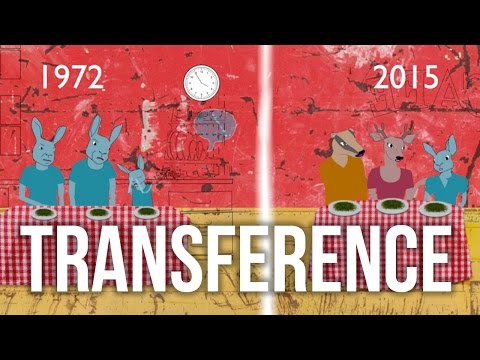
Hey! So, have you ever had one of those moments where you realized you were treating someone like they were your old teacher or a family member? That’s kind of what transference is all about. Seriously, it’s wild how our past experiences stick with us and pop up in unexpected ways.
Este blog ofrece contenido únicamente con fines informativos, educativos y de reflexión. La información publicada no constituye consejo médico, psicológico ni psiquiátrico, y no sustituye la evaluación, el diagnóstico, el tratamiento ni la orientación individual de un profesional debidamente acreditado. Si crees que puedes estar atravesando un problema psicológico o de salud, consulta cuanto antes con un profesional certificado antes de tomar cualquier decisión importante sobre tu bienestar. No te automediques ni inicies, suspendas o modifiques medicamentos, terapias o tratamientos por tu cuenta. Aunque intentamos que la información sea útil y precisa, no garantizamos que esté completa, actualizada o que sea adecuada. El uso de este contenido es bajo tu propia responsabilidad y su lectura no crea una relación profesional, clínica ni terapéutica con el autor o con este sitio web.
You’re chatting with a friend, and suddenly you feel all these emotions tied to someone from your past. It’s not just you—it happens to all of us. It’s like our brains have this sneaky little way of linking people and feelings together based on history.
In this little journey, we’re gonna break down what transference really means. You know, explore those key concepts and dig into some psychological insights that can totally change the way you think about relationships. So grab a snack and let’s get into it!
Understanding the Three Types of Transference in Psychology
Transference is a fascinating concept in psychology. It’s when you start projecting feelings or thoughts about one person onto someone else, typically in a therapeutic setting. Imagine being in therapy and suddenly feeling a strong emotional connection to your therapist that feels oddly similar to how you felt about your parent or an old friend. That’s transference at work!
But there are actually three main types of transference that psychologists talk about: **positive**, **negative**, and **neutral**. Each type has its own flavor, and understanding them can help both the therapist and the client navigate the therapeutic process.
Positive Transference is when you project good feelings onto the therapist. You might view them as a wise mentor or even someone who makes you feel safe and understood. It’s like playing your favorite video game where the main character represents what you admire most. They give you hope, inspiration, or comfort—that’s how clients feel toward their therapists during this type of transference.
Here are a few examples of positive transference:
- You start feeling like your therapist is a caring parental figure.
- You find yourself sharing more with them because you trust them deeply.
- You view their advice as golden and hold it in high regard.
On the flip side, we have Negative Transference. This is when feelings from past relationships bubble up, but not in a good way. Maybe the therapist reminds you of someone who hurt you, and suddenly you’re feeling anger or resentment toward them. Picture this as facing off against a tough enemy in a game; they trigger all those bad memories and feelings.
Think of these scenarios:
- You see your therapist as judgmental or critical, much like an authority figure from your past.
- You might avoid discussing certain topics because they remind you of past pain.
- Your interactions often lean towards frustration rather than understanding.
Lastly, there’s Neutral Transference. This one’s kind of unusual because it doesn’t really carry strong emotions either way. It’s like being in a game that’s just okay—not bad but not great either! You might feel indifferent or simply see your therapist as just another person rather than someone significant.
Examples here include:
- You share information but don’t feel particularly attached to your therapist.
- Your sessions feel routine—part of your schedule without emotional weight.
- You don’t experience much change in feelings throughout therapy.
Understanding these types can be super helpful not just for therapists but for anyone involved in therapy too! It shows how our past experiences shape our current relationships—even with professionals meant to help us navigate those very experiences.
But remember, while learning about transference is important, it shouldn’t replace professional help if you’re struggling. Therapy can be complex, filled with emotions that are sometimes difficult to unpack alone. So if you’re navigating these feelings? Reaching out to someone trained can make all the difference!
Understanding the Five Patterns of Transference in Therapeutic Relationships
Transference is this fascinating idea in therapy where feelings and emotions from your past relationships get redirected onto your therapist. Kind of wild, right? This can really shape the therapeutic relationship in unexpected ways. So let’s break down the five main patterns of transference you might come across.
1. Parental Transference
This is when you start seeing your therapist as a parental figure. Maybe you’ve had issues with authority or nurturing in the past, so your therapist represents that for you. For example, if you’re talking about feelings of abandonment, you might see your therapist as a parent who left you. It’s like playing a video game where the character has to deal with unresolved family drama—every decision feels heavier.
2. Romantic Transference
Here’s where things get spicy! You may project romantic feelings onto your therapist, creating an emotional bond that feels intimate and intense. This can happen if you’re craving connection and love but have unresolved issues with past partners. Think of it like having a crush on a character in a game because they represent something you desire in real life.
3. Idealization
In this pattern, you might put your therapist on a pedestal, seeing them as perfect and wise beyond measure. You may overlook their human flaws because you believe they can solve all your problems. Imagine playing a game where your hero seems unbeatable; it can be disappointing when they make mistakes!
4. Negativism
Ah, the flip side! With negativism, there’s resistance to the therapy process itself. You might feel defensive or argue against what the therapist suggests—almost like facing an enemy boss and refusing to cooperate during the fight! Understanding this pattern can help tease apart why certain sessions feel harder than others.
5. Enmeshment
In enmeshment transference, boundaries blur between you and your therapist. You may start relying on them too heavily for emotional support, feeling overly connected or dependent during sessions—like getting stuck in co-op mode with another player who won’t let go of their controller!
Recognizing these patterns is crucial for both therapists and clients because it helps navigate the complex emotions that arise during therapy sessions. I mean, therapy’s not just about talking; it’s also about feeling! If you’re ever unsure about what’s happening in those moments of raw emotion, it’s okay to bring it up with your therapist.
Always remember though—this info doesn’t replace professional help or advice from someone trained to guide those heavy feelings through all those twists and turns we call life!
Understanding Countertransference in Psychology: Definition, Types, and Implications
Countertransference is a fascinating concept in psychology, and it’s all about the therapist’s emotional reaction to a client. You know, it’s like when you’re playing a game and suddenly you feel super invested in the characters. That intense connection? That’s kind of what countertransference feels like for therapists!
So, what exactly is countertransference? Basically, it’s when therapists project their own feelings, experiences, or unresolved issues onto their clients. It can happen without them even realizing it! Imagine someone playing a game with an avatar that reminds them of their childhood friend; they might treat that character differently because of those feelings.
Types of Countertransference:
- Emotional Countertransference: This occurs when the therapist feels strong emotions in response to the client’s behavior or stories. Like if a client talks about loss and the therapist recalls their own pain.
- Intellectual Countertransference: Here, therapists might influence how they view a client based on their personal beliefs or biases. Think about how you’d react if your favorite character suddenly made a bad decision—you might think differently about them.
- Relational Countertransference: This type relates to how the therapist’s previous relationships shape their interactions with clients. If a therapist had issues with authority figures, they might feel defensive towards clients who challenge them.
Now let’s chat implications. Why should we care about countertransference? Well, recognizing it is crucial for effective therapy! If therapists don’t notice these reactions, it could lead to misunderstandings or miscommunication with clients.
For instance, if a therapist starts feeling overly protective toward a client because they remind them of someone they care about deeply—this could cloud judgment! Instead of helping the client work through their problems, the focus might shift to satisfying the therapist’s emotional needs.
Also, countertransference can be beneficial when managed well. It can enhance empathy and understanding in therapy sessions—like an emotional weapon that can actually help heal! But it’s important for therapists to process these feelings regularly through supervision or personal therapy.
In short, being aware of countertransference helps ensure that therapy is more effective and focused on the client’s needs rather than being influenced by the therapist’s baggage. It’s all part of creating that safe space where real healing can happen!
Keep in mind though—I’m just sharing insights here; if you’re ever feeling like you need support or guidance from someone qualified regarding your own emotions or experiences, reaching out to a professional is key!
Transference, huh? It’s one of those terms that sounds super fancy but actually dives deep into something pretty relatable. Basically, it’s when you start projecting feelings and attitudes onto someone else, especially in a therapeutic setting. You know, like when your emotions latch onto your therapist instead of staying within their original context. This can happen without you even realizing it!
Picture this: you’re sitting in a therapy session, going on about your day, and suddenly you realize you’re treating your therapist like a parent or an old friend. Maybe you’re expecting them to soothe you like your mom did when you were little or to be as funny as your favorite buddy. That’s transference at work.
It can get a little tricky because these feelings are based on past experiences and relationships that shape how we view others. So, let’s say someone had a tough childhood with strict parents; they might project that sense of authority onto their therapist, interpreting feedback as criticism rather than guidance. This can cloud their judgment and affect the therapeutic process.
But what about the opposite? Countertransference is interesting too! That’s when the therapist starts projecting their own feelings onto the client. Imagine if your therapist feels reminded of their own struggles while listening to yours—suddenly they might become overly sympathetic or downright frustrated! It’s all about navigating those emotional waters between both people involved.
I remember chatting with a friend who had this wild experience in therapy. They realized halfway through a session that they were mad at their therapist for not being more like an old mentor who had really guided them in life. They felt this wave of anger and confusion but didn’t understand where it was coming from at first. The light bulb went off when they recognized they were transferring complicated feelings from one relationship into another.
In essence, transference shows us how intertwined our past experiences are with our present relationships, which is kind of wild if you think about it! It’s like having emotional baggage that we unconsciously try to unpack in different areas of our lives. The key here is recognizing these patterns so we can better understand ourselves and work through those feelings in healthier ways.
So yeah, while transference can complicate things sometimes—especially in therapy—it also opens up some fascinating pathways to understanding our emotions and the way we connect with others. Who knew such complex dynamics could come from something as simple as feeling?


