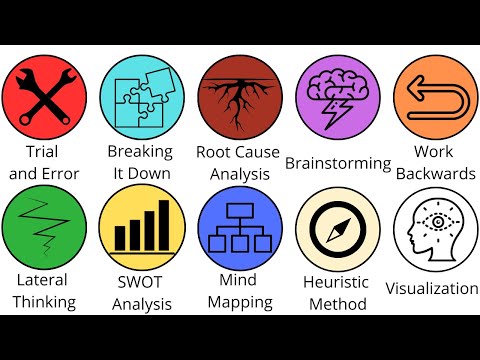
You ever find yourself staring at a problem, feeling like it’s a giant maze? Seriously, sometimes it seems there’s no way out, right? I’ve been there too.
Este blog ofrece contenido únicamente con fines informativos, educativos y de reflexión. La información publicada no constituye consejo médico, psicológico ni psiquiátrico, y no sustituye la evaluación, el diagnóstico, el tratamiento ni la orientación individual de un profesional debidamente acreditado. Si crees que puedes estar atravesando un problema psicológico o de salud, consulta cuanto antes con un profesional certificado antes de tomar cualquier decisión importante sobre tu bienestar. No te automediques ni inicies, suspendas o modifiques medicamentos, terapias o tratamientos por tu cuenta. Aunque intentamos que la información sea útil y precisa, no garantizamos que esté completa, actualizada o que sea adecuada. El uso de este contenido es bajo tu propia responsabilidad y su lectura no crea una relación profesional, clínica ni terapéutica con el autor o con este sitio web.
You know what? Life throws all kinds of tricky curveballs at us. Whether it’s work stuff or personal dilemmas, we often feel overwhelmed. It’s like your brain is running in circles.
But here’s the good news. You can get better at solving complex problems! Yep, you heard that right.
Imagine being able to navigate those challenges smoothly and confidently. Feels good just thinking about it, doesn’t it? So let’s take a stroll through some strategies and techniques that can help you tackle those gnarly issues like a champ! Sound good?
Effective Strategies to Enhance Your Complex Problem-Solving Skills
Sometimes, life throws you a curveball, and figuring out how to hit that pitch can feel overwhelming. We all face complex problems at one time or another, whether it’s at work, in our relationships, or even just deciding what to binge-watch next. So let’s chat about some effective strategies that can really help sharpen those problem-solving skills!
1. Break It Down: One solid way to tackle a complex problem is by breaking it into smaller, more manageable pieces. Think about it like doing a jigsaw puzzle; instead of staring at the whole mess of pieces, you find corners and edges first. For example, if you’re working on a big project at work, identify individual tasks and tackle them one by one.
2. Ask for Different Perspectives: Sometimes your friends can see things you can’t. Talking through your problem with someone else gives you new insights that you might have missed. A fresh pair of eyes is like having a secret weapon! You know how in team sports everyone brings their strengths? It’s similar here—everyone’s viewpoint could contribute to a better solution.
3. Practice Creative Thinking: Stretching your creativity isn’t just for artists! Engage with creative activities like drawing or even playing puzzle games like Sudoku or chess. These pastimes help train your brain to think outside the box when faced with dilemmas—plus they’re kinda fun!
4. Use Logical Reasoning: When you’re caught up in feelings about a situation, it’s easy to lose sight of the logic behind it! Write down the facts versus the emotions involved and analyze what solutions make sense based on reality—not just how you feel about it.
5. Experiment and Iterate: Don’t be afraid to try multiple solutions! Sometimes finding out what doesn’t work is as valuable as hitting the jackpot with a perfect fix. Remember those trials where inventors keep tweaking their designs until they nail it? Try something small and see what happens!
6. Reflect on Past Experiences: Think back to similar situations you’ve faced before. What went right? What didn’t? Learning from past mistakes helps build a toolkit for future complexities—you should almost think of it as collecting trophies for overcoming challenges!
And hey—don’t forget this is all about practice! Just like any skill-set we develop over time—from cooking great meals to mastering video game levels—problem-solving improves too as we use these techniques again and again.
All in all, every step taken towards bettering your complex problem-solving skills counts and makes that next tough decision feel less daunting! You’ve got this!
Effective Strategies and Techniques for Mastering Complex Problem Solving
When it comes to solving complex problems, you might feel like you’re navigating a maze without a map. It can get pretty overwhelming! But don’t sweat it. There are some effective strategies and techniques that can totally help you tackle those brain-boggling issues.
First off, break it down. When you encounter a big problem, try to split it into smaller, manageable pieces. Think of it like trying to eat an entire pizza by yourself – way too much! Instead, take one slice at a time.
- Define the Problem: Clearly identify what the actual problem is. Write it down in one sentence.
- Break It Down: List out all the components that contribute to this problem.
- Prioritize: Figure out which parts are most important or urgent to tackle first.
So here’s an example: Imagine you’ve got a messy room that’s driving you crazy. Instead of saying, “I need to clean my room,” say, “I need to pick up all my clothes.” Then focus on just that task.
Next up: Generate Multiple Solutions. It’s super tempting to jump on the first idea that pops into your head, but hang on! You’ll want some options. Brainstorm as many solutions as possible without judging them right away. You can even grab some friends and make it fun!
- Doodle It Out: Draw mind maps or diagrams. Visuals can really help ideas flow.
- Bounce Ideas: Talk through your thoughts with others for more perspectives and fresh angles.
Ever played a video game where you had multiple paths to victory? Sometimes going back and trying different routes leads to unexpected treasure.
A key step: Evaluate Your Options. Now that you’ve got several potential solutions on the table, it’s time to sift through them and see what stands out.
- Weigh Pros and Cons: Make a simple list of benefits and drawbacks for each option.
- Think Long-Term: Consider how each solution might play out further down the road—like in chess!
It’s like picking which superhero movie not to miss; sometimes it’s worth considering how it’ll impact your binge-watching schedule later!
If nothing seems right, iterate! This means tweaking your ideas until something clicks. Don’t be afraid to go back to the drawing board or mix solutions together.
- Add New Elements: Combine elements from two different solutions if they seem compatible.
- Pilot Test: Try out a solution on a small scale before going all-in; just like testing a new recipe!
And finally—don’t forget about reflecting on what worked (and what didn’t). Taking time afterward helps improve your skills for next time.
In the end, remember that complex problems are part of life—and nobody gets them right every time. Using these strategies will definitely sharpen your skills over time! And hey, if things ever get too tough or stressful? Don’t hesitate—talking things over with someone who knows their stuff is always wise.
So there you have it! Problem-solving doesn’t have to be intimidating if you’ve got these frameworks in your toolbox. Stay curious and keep tackling those challenges head-on!
7 Effective Problem-Solving Techniques to Enhance Decision-Making Skills
Sure! Let’s chat about some effective problem-solving techniques to enhance your decision-making skills. Whether you’re trying to figure out how to tackle that never-ending to-do list or make a big life choice, these strategies can really come in handy. And, just so you know, this isn’t a substitute for any professional help if you need it.
- Define the Problem Clearly: Before jumping into solutions, take a moment to understand what you’re dealing with. Write it down! Be specific. Just like in a video game where identifying the enemy’s strength helps you choose the right approach.
- Break It Down: Big problems can feel overwhelming, right? Try breaking them into smaller pieces. Think of it like leveling up in a game — tackle each level one at a time instead of fighting the final boss all at once!
- Brainstorm Options: Jot down all possible solutions without judging them initially. Just let your thoughts flow! You might even surprise yourself with some creative ideas that could turn into useful strategies.
- Evaluate Your Options: After brainstorming, look through your ideas and weigh their pros and cons. This is like analyzing equipment in an RPG; certain choices will serve your goals better than others.
- Make A Decision: Once you’ve evaluated everything, go ahead and pick the option that seems best suited for your situation. Don’t stall too long; sometimes making any decision is better than being stuck!
- Implement The Solution: Now comes the fun part—putting it into action! This step is crucial because sometimes things may not go as planned at first, but that’s totally normal.
- Review and Reflect: After you’ve implemented your solution, take time to reflect on its effectiveness. Did it solve the problem? What did you learn from this experience? Thinking about past decisions will help sharpen your skills for future challenges!
So there ya go! These techniques are not just for complex problems; they work wonders on everyday dilemmas too. Just remember that developing decision-making skills takes practice and patience, so be kind to yourself during the process. Keep exploring new strategies and adapting them as needed until they really click for you!
So, let’s chat about something that trips a lot of us up: complex problem-solving. Seriously, it sounds all fancy and daunting, but it’s actually just a way of tackling the tricky stuff life throws your way. You know, those moments when you feel like you’re stalling at a red light in your mind, desperate for a green to keep moving.
I remember this one time back in college. I was working on this group project, and it turned into total chaos—everyone had a different idea about how to approach it. It felt like we were trying to steer a giant ship with too many captains on deck! We were stuck until one friend suggested we break down the problem into smaller pieces. It was like someone flipped the light switch. We could actually see the path forward!
So here’s the thing: mastering complex problem-solving isn’t just about having some superhero skills; it’s more like being able to take a step back and view problems from different angles. Seriously, sometimes just shifting your perspective can shed light on solutions hiding in plain sight.
You can think of it as crafting a mental toolbox. Each strategy or technique is like a tool you might need for different situations. When faced with complexities—like making tough decisions or managing diverse opinions—being flexible is key. It allows you to switch tools based on what you’re up against.
One helpful method is brainstorming—you gather ideas without judgment first! I mean, remember that time when bad ideas turned into great ones just because someone threw them out there? Sure, they might seem goofy at first, but that can spark innovative thoughts! Letting creativity flow without constraints opens doors wider than you’d imagine.
Another technique that pops up often is chunking information. When everything feels overwhelming—like trying to solve an unsolvable puzzle—breaking things down makes them less intimidating. Just tackle one piece at a time and you’ll be surprised how things start falling into place.
Oh, and don’t forget about collaboration! Two (or more) heads are seriously better than one in most cases. Working with others not only broadens perspectives but also kicks off dialogue that could lead you to solutions you never would’ve thought of alone.
Look, everybody stumbles through this process differently; there’s no one-size-fits-all approach here. What’s important is finding what works for you and being patient with yourself along the way. After all, every time we tackle something challenging—even if we fail—we gain more insight for next time.
You know? Life’s all about those little victories and lessons learned in between the mess-ups and breakthroughs! So keep experimenting with strategies until something clicks, because that’s where growth happens—and who knows what cool ideas you’ll come up with along the journey?