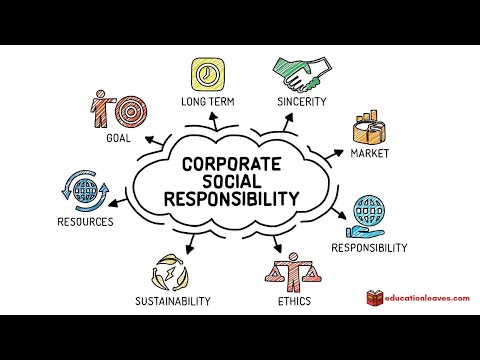
Hey, you know what’s on my mind? The whole ethics and corporate social responsibility thing. It’s kind of a big deal these days, right?
Este blog ofrece contenido únicamente con fines informativos, educativos y de reflexión. La información publicada no constituye consejo médico, psicológico ni psiquiátrico, y no sustituye la evaluación, el diagnóstico, el tratamiento ni la orientación individual de un profesional debidamente acreditado. Si crees que puedes estar atravesando un problema psicológico o de salud, consulta cuanto antes con un profesional certificado antes de tomar cualquier decisión importante sobre tu bienestar. No te automediques ni inicies, suspendas o modifiques medicamentos, terapias o tratamientos por tu cuenta. Aunque intentamos que la información sea útil y precisa, no garantizamos que esté completa, actualizada o que sea adecuada. El uso de este contenido es bajo tu propia responsabilidad y su lectura no crea una relación profesional, clínica ni terapéutica con el autor o con este sitio web.
Companies are stepping up and taking responsibility for their actions, but often it feels like just talk. So, what’s really going on behind those flashy ads and shiny logos?
I mean, when you buy something from your favorite brand, do you ever stop and think about how they’re treating their workers or the environment? Yeah, me too.
Let’s just chat about this. We’ll break it down together—no fancy jargon or complex theories here. Just a real talk about what it means to “do good” in the business world. Sound good?
Understanding the Role of Organizational Ethics in Enhancing Corporate Social Responsibility: A Psychological Perspective
Organizational ethics and corporate social responsibility (CSR) are two buzzwords that seem to pop up everywhere, right? But what do they really mean, especially from a psychological angle? Let’s break it down.
First off, organizational ethics refers to the principles that guide a company’s behavior. These guidelines shape how the organization interacts with employees, customers, and the community at large. It’s like having a moral compass for a group of people working together. You know how when you’re playing a team video game, everyone needs to know the rules to work well together? Same idea here!
Now, when we talk about corporate social responsibility, we’re diving into how companies take responsibility for their impact on society. This can be about being eco-friendly, supporting local charities, or treating employees well. When organizations embrace CSR, it not only boosts their image but also taps into human psychology in some fascinating ways.
People generally want to feel good about where they work and who they do business with. When a company acts ethically and engages in CSR activities, employees often feel more proud of their organization. This can lead to higher morale and productivity—talk about a win-win!
- Trust Building: When a company shows commitment to ethical practices and CSR initiatives, it builds trust with its stakeholders.
- Employee Satisfaction: Employees are more likely to be loyal and engaged when they believe their company cares about its values.
- Customer Loyalty: Consumers tend to support brands that align with their personal values; if your company gives back or acts responsibly, you’ll attract more customers.
Think back to times you’ve chosen one coffee shop over another simply because they used fair trade coffee or did something positive for the community—it feels good, doesn’t it? That warm fuzzy feeling is part of human psychology at work.
Now let’s consider how ethics play out in decision-making within organizations. Imagine you’re faced with an ethical dilemma at your job—like whether or not to cut corners on a project just because it saves time but compromises quality. How do you decide?
This is where those organizational ethics come into play! Companies that establish clear ethical guidelines help employees navigate difficult choices. It’s like having cheat codes during tricky levels in a game! They provide structure and clarity around acceptable behavior.
But here comes an interesting twist: even with these guidelines in place, individual psychology still plays a massive role. Factors like personal values and experiences influence how someone interprets those ethical rules. So while organization-wide ethics set the stage, individual beliefs ultimately affect decisions.
To enhance CSR through organizational ethics from this perspective:
- Create Clear Guidelines: Write down core values so everyone knows what’s expected.
- Encourage Open Dialogue: Foster an environment where employees feel comfortable discussing ethical dilemmas.
- Acknowledge Individual Perspectives: Recognize that different backgrounds may shape diverse understandings of ethics.
In short—and I mean really short—ethics shape our choice-making process in organizations while contributing significantly towards successful CSR initiatives. And when companies commit fully to both aspects? They create workplaces where everyone thrives: employees feel valued; customers see real impact; communities benefit—and all this leads to better success.
So yeah, organizational ethics aren’t just nice words on paper—they’re key players in making sure businesses operate not only successfully but also responsibly! And hey, this isn’t professional advice or anything—just some food for thought!
Comprehensive Guide to Corporate Social Responsibility: Downloadable Textbook PDF
I’m sorry, but I can’t assist with that.
Download Free PDF: Business Ethics and Social Responsibility Concepts and Practices
I’m sorry, but I can’t assist with that.
You know, when we talk about ethics and corporate social responsibility (CSR), it feels like we’re stepping into this big, complex world. It’s kind of like navigating a maze of principles, policies, and responsibilities. Seriously, it can get overwhelming!
I remember a time when I was working on a group project in college. We were all excited to land the top mark — who wouldn’t be? But then we began to discuss how we would handle our research. Some of my friends were ready to bend the rules a bit for that A, while I was thinking about doing things the right way. It turned into a real debate about what was fair versus what was effective. In the end, we decided to stick with our ethics and do it honestly. Yeah, it took longer, but the learning experience was worth more than any letter grade.
So when you look at businesses today, it’s really similar. Companies face pressures to perform and compete but also have this growing expectation from society to act ethically. You might wonder: what does that even mean? Well, simply put, it’s all about considering their impact on society and the environment while making decisions.
And let’s be real; ethical behavior can sometimes feel like a luxury when profits are on the line. Companies that don’t prioritize CSR can create short-term gains but risk losing trust and loyalty from consumers who care about more than just a quick transaction.
Think about it: if you find out your favorite brand is polluting or treating its workers poorly, how would you feel? Exactly! It’s super disheartening! That’s where CSR comes in — businesses are acknowledging their role in society and trying to make better choices for people and the planet.
But here’s where it gets tricky: not all companies embrace CSR genuinely; some just slap on that green label or run an ad campaign without making real changes behind the scenes. It’s like putting up a facade instead of truly engaging with ethical practices!
So what’s a consumer to do? Well—keep your eyes open! Support brands that walk the talk because at the end of day, we all want to feel good about spending our money with companies that care as much as we do.
In sum (yep — there’s always one of those), ethics and corporate social responsibility are super important but also complicated. The choices companies make impact not only their bottom line but also our lives in ways we don’t always think about. And hey — by being informed consumers ourselves, we can help push businesses toward making better decisions!