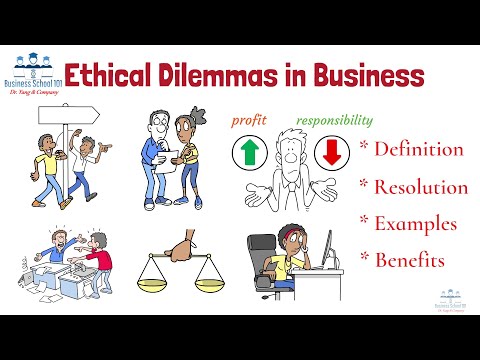
You know how life throws you curveballs sometimes? Yeah, those moments when you have to make a choice that feels so heavy. It can be tricky, right? You want to do the right thing.
Este blog ofrece contenido únicamente con fines informativos, educativos y de reflexión. La información publicada no constituye consejo médico, psicológico ni psiquiátrico, y no sustituye la evaluación, el diagnóstico, el tratamiento ni la orientación individual de un profesional debidamente acreditado. Si crees que puedes estar atravesando un problema psicológico o de salud, consulta cuanto antes con un profesional certificado antes de tomar cualquier decisión importante sobre tu bienestar. No te automediques ni inicies, suspendas o modifiques medicamentos, terapias o tratamientos por tu cuenta. Aunque intentamos que la información sea útil y precisa, no garantizamos que esté completa, actualizada o que sea adecuada. El uso de este contenido es bajo tu propia responsabilidad y su lectura no crea una relación profesional, clínica ni terapéutica con el autor o con este sitio web.
Well, that’s where ethical principles come into play. They’re like your moral compass, helping you navigate those tough decisions. Imagine having a little guide to keep you aligned with what really matters to you.
In this chat, I’m gonna share four key principles that help shape how we decide what’s right or wrong. It’s all about keeping it real and relatable! Ready? Let’s jump into it!
Understanding the Four Major Ethical Principles: A Guide to Their Impact on Decision-Making
Alright, let’s talk about the four major ethical principles that play a big role in decision-making. These principles guide us in figuring out what’s right and wrong, especially in tricky situations where emotions run high. Think of them as your moral compass. You with me? Let’s break it down.
- Autonomy: This principle is all about respecting an individual’s right to make their own choices. Imagine you’re playing a game where you get to choose your character’s path. Just like that, people should have the freedom to make their own decisions about their lives, even if others might disagree.
- Beneficence: Here’s where things get heartwarming. This one encourages us to act in the best interest of others—to do good! It’s like when a friend chooses to help you out in a tough level of a video game instead of just letting you struggle because they want to win. Making choices that promote someone else’s well-being is super important.
- Non-maleficence: This one is all about “do no harm.” Think of it as avoiding the pitfalls or traps in a game that could lead to losing points or lives. When making decisions, we should consider whether our actions might hurt someone else or cause negative consequences.
- Justice: Last but definitely not least, justice means fairness and equality. It’s like ensuring every player on your team gets a fair chance at scoring points during gameplay. Everyone deserves equal treatment and access to resources—be it in healthcare, education, or simply everyday life!
Now, why does all this matter? Well, when faced with complicated situations—whether it’s deciding if you should tell a friend something they might find upsetting or whether it’s okay to accept certain limitations at work—keeping these four principles in mind can help clarify your choices.
I mean, think of it this way: making choices based solely on one principle can lead to messy outcomes. Like choosing autonomy over non-maleficence might mean giving someone the freedom to make harmful decisions. Balancing these principles helps create better solutions and keeps relationships healthy too!
So next time you’re caught up in an ethical dilemma (like deciding whether it’s cool to share spoilers about the latest game), remember these principles! They offer guiding lights for decision-making—but always remember this doesn’t replace professional advice if conflicts get serious.
Ultimately, taking the time to ponder these ethical principles can lead us toward more thoughtful and considerate choices! And wouldn’t that be nice?
Key Ethical Principles to Guide Effective Decision-Making
Ethics play a huge role in decision-making, whether you’re trying to choose the best course of action at work or figuring out how to handle a tricky social situation. So, let’s chat about four key ethical principles that can really help guide your choices.
- Respect for Autonomy: This principle emphasizes the importance of allowing individuals to make their own choices. Imagine you’re playing a game where you get to choose your path, like in «The Witcher.» Your decisions shape the outcome. In real life, respecting someone’s autonomy means recognizing their right to make decisions about their own lives.
- Beneficence: This is all about doing good and promoting the well-being of others. Picture yourself in a team game where teamwork is essential. You want everyone to succeed! In decision-making, you should aim for actions that positively impact others and contribute to their welfare.
- Non-maleficence: Basically, this means not causing harm. Think of it like a no-harm rule in board games—no one wants their fun ruined by someone else’s bad moves. It’s about weighing your options carefully and avoiding actions that could hurt someone, either physically or emotionally.
- Justice: This principle focuses on fairness and equality. Imagine you’re dividing loot after a successful raid in a game; everyone should get an equal share based on what they contributed. Similarly, when making decisions, it’s important to ensure that benefits and burdens are distributed fairly among all parties involved.
To sum it up you’ve got respect for autonomy (letting people choose), beneficence (doing good), non-maleficence (not causing harm), and justice (being fair).
So here’s how these principles might play out in everyday life: say you’re faced with deciding whether to tell your friend something confidential they accidentally let slip about another person. Respecting autonomy means considering if your friend would want that info shared. Beneficence nudges you toward thinking about what action would help versus hurt the other party involved. Non-maleficence reminds you that sometimes silence can be golden while justice calls you to think about keeping everyone treated fairly.
Using these principles can support better decision-making but remember they’re not foolproof rules—they’re more like helpful guidelines! Always keep it mind that if you’re faced with serious dilemmas or conflicts, talking things over with a professional is always a good idea—like having an experienced player help strategize for tough levels in a game!
Understanding the 4 Ethical Guidelines: A Clear Framework for Responsible Decision-Making
When it comes to making decisions, especially in fields like psychology, having a roadmap can be super useful. That’s where ethical guidelines come into play. They help us navigate the sometimes murky waters of decision-making. So, let’s break down the four key ethical principles that guide responsible decision-making.
1. Autonomy: This principle is all about respecting people’s rights to make their own choices. In simple terms, it means acknowledging that everyone has the right to self-determination. You know how in some video games you get to make choices that affect the storyline? That’s autonomy! If you’re working with someone, it’s crucial to allow them input in their treatment process or decisions affecting them.
2. Beneficence: Now, this one focuses on doing good and promoting well-being. Think of a superhero whose main goal is to help others; that’s beneficence in action! It involves taking actions that benefit your clients or those affected by your decisions. For instance, if you’re helping a friend through a tough time, and you choose to spend your Saturday helping them out instead of binge-watching a series alone—you’re practicing beneficence!
3. Non-Maleficence: This one might sound fancy, but it really just means «do no harm.» It’s important when making decisions because you want to avoid causing any unnecessary distress or harm to others. For example, in the gaming world, imagine if a game mechanic inadvertently made players feel bad about themselves—definitely not cool! The same idea applies here; always aim for outcomes that protect people from harm.
4. Justice: Finally, we have justice which emphasizes fairness and equality in decision-making processes. It means everyone should be treated equally and have access to benefits without discrimination! Think of it like leveling up in a game; every player should get the same opportunities regardless of their starting point.
So there you have it—a clear framework for responsible decision-making based on these four principles!
- Respect autonomy by acknowledging people’s choices.
- Promote beneficence, supporting positive outcomes.
- Avoid harm with non-maleficence.
- Ensure justice , treating everyone fairly.
Making ethical choices isn’t always straightforward, but understanding these guidelines can definitely help simplify things a bit! Just remember that while this framework is useful for guiding everyday decisions, it doesn’t replace professional help when situations get complex or overwhelming. It’s always okay to reach out for support!
So, let’s talk a bit about the four ethical principles that can really shape the way we make decisions. You ever find yourself in a tricky situation where you need to weigh your choice carefully? It’s like standing at a crossroads, and those principles can help light the way.
First up is autonomy. This one’s all about respect – respecting people’s right to make their own choices. I remember when a friend had to decide whether to take a job offer abroad. He was super torn because his family was kind of against it. But in the end, it was his life, right? He followed what he wanted instead of just going along with what others thought. Autonomy reminds us that we all need the freedom to choose our paths.
Then there’s beneficence, which is a fancy word for doing good. Think of it like this: when making decisions, you should aim to benefit others and enrich their lives. Like when you volunteer at a local shelter or help someone out in need; those choices come from a place of goodwill. It’s about being mindful of how our actions impact those around us.
Next up is non-maleficence—yeah, I know, a mouthful! This one means avoiding harm. Imagine if someone has to choose between two actions: one that helps their friend but might hurt another person; and another that helps no one but keeps everything neutral. Non-maleficence nudges us toward choices that minimize harm wherever possible.
Lastly, we’ve got justice, which focuses on fairness and equality. Ever been in group projects where some people do all the work while others coast by? That’s not fair! Justice in decision-making ensures everyone gets treated right—and hey, it can be as simple as making sure everyone has their voice heard during discussions.
Ultimately, life throws us curveballs all the time and these principles act like guideposts—keeping us grounded when things get foggy or complicated. It’s easy to forget them when emotions run high or when pressure weighs heavy on your shoulders. But weaving these ideas into your thinking can steer you toward more thoughtful choices that resonate with your values and ethics.
In the end, reflecting on these principles can be like having your own internal compass guiding you through complex situations! So next time you’re in a dilemma or just deciding what movie to watch (that counts too!), give these principles some thought—you might surprise yourself with how they change your perspective!