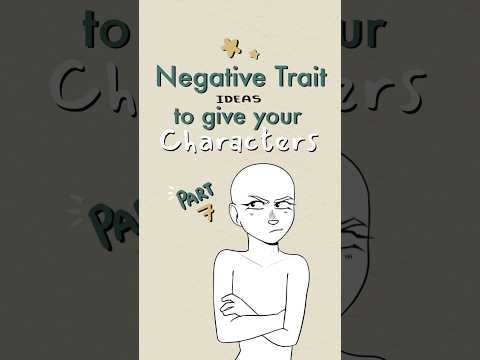
You know, we all have our little quirks, right? Some traits can be pretty annoying. I mean, we’ve all got that friend who’s constantly late or the one who can’t let go of a grudge.
Este blog ofrece contenido únicamente con fines informativos, educativos y de reflexión. La información publicada no constituye consejo médico, psicológico ni psiquiátrico, y no sustituye la evaluación, el diagnóstico, el tratamiento ni la orientación individual de un profesional debidamente acreditado. Si crees que puedes estar atravesando un problema psicológico o de salud, consulta cuanto antes con un profesional certificado antes de tomar cualquier decisión importante sobre tu bienestar. No te automediques ni inicies, suspendas o modifiques medicamentos, terapias o tratamientos por tu cuenta. Aunque intentamos que la información sea útil y precisa, no garantizamos que esté completa, actualizada o que sea adecuada. El uso de este contenido es bajo tu propia responsabilidad y su lectura no crea una relación profesional, clínica ni terapéutica con el autor o con este sitio web.
These common flaws? They’re part of being human. But they can seriously mess with our relationships and even how we see ourselves.
So, let’s take a look at some of these traits together. You might find something familiar! Maybe even get a little insight into how they affect you and the people around you. Sound good?
10 Negative Personality Traits to Recognize and Avoid
We all have our quirks, right? But some personality traits can really be a drag—for you and those around you. Recognizing and avoiding negative traits can foster better relationships, both personally and professionally. Let’s break down ten traits that can lead to trouble.
- Selfishness: This one’s pretty straightforward. If you’re always putting your needs first, it can damage friendships and partnerships. Imagine a game where one player hoards all the resources. It might feel good for a moment, but in the end, everyone loses.
- Narcissism: A little confidence is great, but excessive self-focus? Not so much. Narcissists often struggle to empathize or appreciate others’ feelings. Think of it like being stuck in single-player mode while everyone else is playing cooperatively.
- Dishonesty: Whether it’s white lies or big fibs, being dishonest can destroy trust. You might think lying helps avoid conflict, but instead, it creates more problems down the line. It’s like trying to cheat your way through a level in a game—it usually backfires eventually.
- Perfectionism: Wanting things to be just right isn’t bad until it becomes crippling. Perfectionists often experience stress and anxiety because nothing ever feels ‘good enough’. Picture a player redoing the same level over and over—frustrating, huh?
- Negativity: If you’re always seeing the glass as half empty, it affects not just your mood but also those around you. A chronic pessimist can drain energy from their surroundings faster than a battery dies in an old remote control.
- Blame-Shifting: Always pointing fingers at others instead of taking responsibility? That’s blame-shifting! This trait keeps you from growing because you’re not owning up to your faults. Imagine playing a multiplayer game where no one takes accountability for losing; it doesn’t work well!
- Laziness: Sure, we all enjoy binge-watching our favorite shows once in awhile but consistently avoiding effort? That leads to missed opportunities! Think of laziness as ignoring power-ups in a game—you just end up making things harder for yourself later on.
- Pessimism: While some might call it “realism,” being overly pessimistic can really cloud your perspective. Instead of focusing on what could go wrong all the time, try to see silver linings now and then; life’s not always doom and gloom!
- Moodiness: If you find yourself swinging between emotions like on an emotional rollercoaster, this could put people off balance too! Moodiness makes it tough for others to connect with you consistently—like trying to predict who’ll win in a game with constantly changing rules.
- Aggressiveness: Aggressive behavior can create conflict in any relationship—whether they’re romantic or casual friendships. When someone gets quick-tempered over small issues (like losing points), people tend to back away instead of getting closer.
The thing is these traits don’t define who you are; they’re simply areas where most people can improve if they choose to work on them! Life’s about learning from our flaws rather than getting bogged down by them—so give yourself grace while striving for growth!
If any of these resonate with you or someone close by, consider talking things through with someone who’s trained to help sort things out. Getting support is totally okay—it’s just part of being human!
100 Negative Character Traits: Understanding Their Impact on Behavior and Relationships
Sure, let’s unpack this topic in a way that feels relatable and engaging. We all have our quirks, right? But some traits can really get in the way of forming good relationships and just living life fully. Here’s a look at some common negative character traits and how they can impact us.
1. Arrogance
Being arrogant can make you seem dismissive or condescending to others. People might avoid you or feel belittled in conversations. It becomes tough to connect when you constantly feel superior, you know?
2. Pessimism
Always seeing the glass as half empty can drain your energy and that of those around you. Imagine trying to plan a fun outing, but there’s that one person who always points out what *might* go wrong—it gets old fast!
3. Jealousy
This trait often leads to mistrust and conflict in relationships. Instead of celebrating your friend’s success, jealousy can turn into comparison or resentment. This can seriously hurt friendships or romantic relationships.
4. Dishonesty
Lying or bending the truth generally leads to broken trust. Once someone catches you in a lie, it’s hard for them to see you as reliable again! Think about games where trust is essential; once it’s broken, gameplay totally changes.
5. Impatience
Being impatient doesn’t just affect your mood; it also influences how others perceive you. You may come across as rude or dismissive if you’re always rushing people along.
6. Manipulativeness
This trait involves using others for personal gain without care for their feelings or well-being. Relationships built on manipulation tend to be shallow and short-lived because people eventually catch on.
7. Inflexibility
When you’re resistant to change, it makes collaboration tricky—especially in group settings like team projects or even social gatherings! Sometimes compromise is necessary for harmony.
8. Selfishness
Focusing only on your needs often pushes others away over time. Think of a game where teamwork is key; if one player hogs all the resources, everyone else suffers—and nobody wants to play with that person again.
These traits create patterns that not only affect individual behavior but also trickle down into how we interact with others on multiple levels:
- Poor communication skills: Negative traits often lead to misunderstandings.
- Lack of emotional support: Being selfish or arrogant can alienate those who want to connect.
- Brittle friendships: Jealousy and dishonesty erode trust.
- Diminished self-esteem:Pessimism can negatively affect both self-image and outlook.
- Cyclical negativity:If you’re not careful, these traits might become habitual.
Let’s say you’re playing a co-op video game with friends: if someone consistently acts selfishly by grabbing all the loot, it’ll ruin everyone’s experience—leading to frustration and eventual burnout from the game altogether!
The thing is, recognizing these negative character traits isn’t about pointing fingers; it’s more about self-reflection and understanding how we affect others around us. If you find yourself exhibiting any of these traits sometimes (and hey, we all do!), try considering their impact on your relationships.
It’s important not just for yourself but also for those around you! And while awareness is the first step towards change—if these traits are overwhelming your life—don’t hesitate to reach out to professionals who can truly help guide you through tough spots!
Understanding 5 Negative Personality Traits and Their Impact on Relationships
It’s kinda tough navigating relationships, right? Sometimes, we don’t even realize that certain personality traits might be causing a rift between us and the people we care about. Here are five common negative traits and how they can influence your relationships.
1. Narcissism
This trait is all about self-centeredness. Narcissists often prioritize their own needs over others’. They may seem charming at first, but as time goes on, their lack of empathy can really wear thin. Imagine a friend who only talks about their achievements and completely ignores your struggles. You start feeling unimportant, right? That can lead to resentment.
2. Jealousy
Jealousy often creeps in when someone feels insecure or threatened in a relationship. You know, it’s like playing one of those strategy games where you worry that another player might outsmart you. When you’re constantly worried about losing someone’s attention or affection, it can cause unnecessary drama. Think of someone always questioning your loyalty—frustrating! This behavior can push people away instead of drawing them closer.
3. Pessimism
Being pessimistic isn’t just seeing the glass half-empty; it’s more like being convinced it has a leak! If you’re always focusing on the negative side of things, it might drain the energy from relationships. Friends want to share joyful moments too! Imagine trying to celebrate an achievement only to have someone remind you how challenging everything is—it can be a real buzzkill.
4. Controlling Behavior
Do you know someone who tries to control every little thing? That can be exhausting for everyone involved! Whether it’s telling a partner how to dress or making decisions without considering other opinions, this controlling tendency can suffocate relationships faster than a bad Wi-Fi connection during an online match. People feel trapped and resentful rather than supported.
5. Avoidance
Avoidant behavior is tricky because sometimes it looks like putting up walls around your emotions—like having an invisible forcefield that keeps others out! Some people dodge conflict or deep conversations altogether, which makes it hard for anyone to connect on a meaningful level. Over time, partners may feel isolated even when they’re together because emotional distance creates misunderstandings.
In the end, recognizing these traits in yourself or others is important—not just for personal growth but also for nurturing healthier relationships. Just remember: we all have flaws! It doesn’t mean you can’t work on improving them or seek support from trusted friends and professionals if needed.
So next time you’re hanging out with friends or family, take a moment to reflect: Are any of these traits creeping into your interactions? Awareness is key!
You know, we all have those moments when we look in the mirror and don’t quite like what we see. I mean, nobody’s perfect, right? We all carry around a little baggage; some of it is just part of being human. Let’s chat about some common negative traits that can really trip us up and how they affect our lives and relationships.
Take impatience, for example. We’ve all been there—waiting in line at the coffee shop, tapping our feet, glancing at our watches. It can make you feel like you’re about to burst! When you’re impatient, it often leads to frustration and poor decision-making. You might snap at someone you care about because they’re taking too long to finish a story or can’t quite find the words. I once had a friend who rushed through conversations so much that nobody felt like they could really open up to him. It was tough watching him want so much connection but push people away because he couldn’t slow down.
Then there’s perfectionism. Oh man! Perfectionists can be their own worst enemies. Sure, having high standards can drive some success, but constantly seeking perfection often leads to stress and burnout. You might spend hours on a project that could’ve taken half the time if you weren’t obsessing over every tiny detail! I remember pulling an all-nighter on an essay during college because I couldn’t stop rephrasing sentences until they sounded just right—it was exhausting!
And let’s not forget about being overly critical. The thing is, if you’re always nitpicking yourself or others, it creates this heavy atmosphere around you—like walking on eggshells or feeling inadequate all the time. Nobody enjoys being around someone who only sees flaws without offering a bit of kindness or encouragement now and then.
Selfishness is another trait that sneaks into our lives when we least expect it. You might think it’s just looking out for number one; however, it can turn into tunnel vision pretty quickly! You end up missing out on meaningful connections because your focus is solely on your needs and wants.
Now let’s throw in anxiety and overthinking into the mix—the classic combo that trips so many of us up! If you find yourself stuck in your head before making decisions, constantly worrying about what others think or reliving past moments over and over… well, that can drain your energy big time! I once spent days ruminating over whether I’d said something embarrassing during a casual hangout with friends—yikes!
All in all—I mean seriously—we have these negative traits within us for various reasons—life experiences, maybe even childhood stuff—and recognizing them is just part of the growth process! Embracing our flaws while also working toward improvement makes us more relatable as humans. So yeah—next time you’re feeling overwhelmed by negative traits or those around you are showing theirs—just remember there’s room for compassion here too; we’re all figuring things out together!