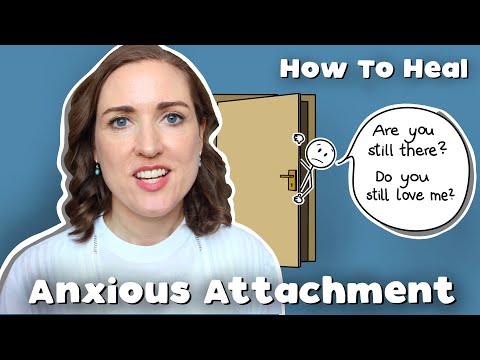
You know what’s interesting? Relationships can be super tricky. It’s like, one minute you’re having a great time, and the next, you’re feeling all nervous and unsure.
Este blog ofrece contenido únicamente con fines informativos, educativos y de reflexión. La información publicada no constituye consejo médico, psicológico ni psiquiátrico, y no sustituye la evaluación, el diagnóstico, el tratamiento ni la orientación individual de un profesional debidamente acreditado. Si crees que puedes estar atravesando un problema psicológico o de salud, consulta cuanto antes con un profesional certificado antes de tomar cualquier decisión importante sobre tu bienestar. No te automediques ni inicies, suspendas o modifiques medicamentos, terapias o tratamientos por tu cuenta. Aunque intentamos que la información sea útil y precisa, no garantizamos que esté completa, actualizada o que sea adecuada. El uso de este contenido es bajo tu propia responsabilidad y su lectura no crea una relación profesional, clínica ni terapéutica con el autor o con este sitio web.
That’s where anxious attachment comes in. Ever had that feeling of needing reassurance from your partner, like, all the time? Yeah, me too!
There are some roots to this stuff that can go way back into childhood. It’s not just something we make up as adults; it really shapes how we connect with others.
So, let’s chat about what causes this anxious attachment thing and how it affects our relationships. You might just see a little bit of yourself in this. Seriously! Let’s break it down together.
Understanding the Connection Between Anxious Attachment and OCD
Alright, let’s chat about the connection between anxious attachment and Obsessive-Compulsive Disorder (OCD). You might not realize it, but how we attach to others can shape our mental health in some pretty interesting ways.
Anxious attachment usually develops in childhood. If caregivers were inconsistent or overly protective, it could lead kids to feel insecure. Picture a game where the rules change every time you play—frustrating, right? That’s kind of what it feels like growing up with anxious attachment.
People with anxious attachment tend to constantly worry about their relationships. They might feel like their partner will leave them or not love them enough. This isn’t just a minor annoyance; it can deeply impact their emotional well-being.
You may wonder how this links to OCD? Well, here’s the thing: both involve patterns of thoughts and behaviors that can spiral out of control. Individuals with OCD often experience intrusive thoughts that create anxiety, just like someone with anxious attachment might obsess over whether they’re good enough for their partner.
- Anxiety triggers: For those with anxious attachment, anxiety often spikes when they think about being abandoned or unloved. This constant worry can fuel obsessive thoughts typical in OCD.
- Coping mechanisms: Some people try to manage their anxiety through compulsive behaviors (you know, things like checking or cleaning repeatedly), which is similar to how someone might seek reassurance from a partner.
- The need for control: Both anxious attachment and OCD can stem from a desire for control in uncertain situations—like wanting to know for sure that your partner will stay by your side.
If you’ve ever played a role-playing game where your character has to make decisions based on trust and relationships, you’ll see how precarious these dynamics can be! Each choice impacts the story and character’s well-being. That’s sort of how it goes in real life too—with relationships influencing mental health.
Anecdote time! I remember this one friend who was always double-checking her texts before sending them because she feared they wouldn’t be received well. It wasn’t just texting—it spilled into everyday interactions too. She had this fear of saying something wrong, which came from her past relationships where communication was shaky at best.
This friend struggled not only with her connections but also battled intrusive thoughts that made her feel “less than” when things didn’t go perfectly. It was exhausting for her! So you see, the overlap is real—when anxious attachment meets OCD tendencies, it can be a tough road.
If you’re feeling overwhelmed by these issues—whether it’s worrying about your relationships or dealing with obsessive thoughts—talking to someone who knows what they’re doing is key. Seriously! Professional help is invaluable here.
In a nutshell: understanding how anxious attachment and OCD intertwine helps us recognize our patterns and struggles better. While it’s possible to work through these feelings on your own sometimes, don’t underestimate the power of getting support from trained professionals—they really do make a difference!
Understanding Anxious Attachment: Behaviors and Patterns in Romantic Relationships
Anxious attachment is a style of relating to others that can really shake things up in romantic relationships. It’s like having a friend who’s always worried about whether you’ll call or text back. You know, that internal voice saying, “What if they don’t love me as much as I love them?” Let’s dive into this whole world—behaviors, patterns, and all the nitty-gritty!
What is Anxious Attachment?
First off, anxious attachment usually develops in childhood. If your caregivers were inconsistent with their attention—like being warm one day and distant the next—you might grow up feeling insecure about relationships. You learn to crave closeness but also fear rejection.
- You often seek reassurance: This could look like texting your partner multiple times for confirmation of their feelings.
- You may experience heightened emotions: When conflict arises, it can feel like your world is crashing down.
- Your mood swings can be intense: One moment you’re on cloud nine, and the next you’re questioning everything.
- You might avoid independence: Feeling like you need to constantly be with your partner can lead to neglecting personal interests.
Think of it like a game of “hot and cold.” When you feel love and attention, you’re warm. When it’s lacking? Cold! This constant temperature change makes it tough to focus on anything else.
Common Behaviors in Relationships
People with an anxious attachment style may display various behaviors that can impact their relationships:
- Overcommunication: Frequent texting or calling just to check in can create pressure on your partner.
- Fear of abandonment: Even small signs that your partner is busy or distracted may trigger panic.
- Doubting yourself: You might question if you’re worthy enough for love.
- Inefficient coping mechanisms: Instead of talking through issues, some might resort to jealousy or possessiveness.
Imagine playing a game where every time you lose sight of the other player, you think they’ve abandoned you! It makes everything feel super tense.
The Causes Behind Anxious Attachment
So why do these anxious behaviors pop up?
- If caregivers gave mixed signals—sometimes affectionate and sometimes emotionally unavailable—it leads to confusion about how love works.
- The impact of trauma:A past relationship that ended badly can solidify these fears. You start thinking every relationship will end similarly!
- Your own personality traits:If you’re naturally more sensitive or empathetic, it could intensify feelings of insecurity!
You see? It all starts forming this intricate web of emotions based on experiences!
The Effects in Romantic Relationships
Living with an anxious attachment style doesn’t just affect how you view relationships; it impacts them significantly:
- Pushing partners away:Your constant need for reassurance might overwhelm someone who’s more secure!
- Tending towards co-dependency:This could lead to unhealthy dynamics if both partners can’t stand being apart!
- Circular arguments over trivial things: A small comment could spiral into a larger fight because underlying fears are never addressed!
Picture this: You’re playing a multiplayer online game with friends. If one player freaks out every time the group faces a challenge, it creates chaos! Similarly, fear-driven behaviors can disrupt team dynamics—in this case, your relationship.
Mending Anxious Attachment Styles
While understanding anxious attachment helps put things into perspective; it’s essential not to overlook professional help. Therapists use approaches like Cognitive Behavioral Therapy (CBT) or Emotionally-Focused Therapy (EFT) which can provide tools for building healthier patterns.
So remember: You don’t have to navigate these waters alone!
All in all, recognizing anxious attachment is the first step toward addressing its effects on romantic relationships. It’s about finding balance and learning healthier communication habits while allowing yourself grace throughout the journey!
Understanding Avoidant Attachment Style: Characteristics, Causes, and Coping Strategies
Alright, let’s chat about avoidant attachment style. You might know someone who seems a bit distant or maybe you’re that someone yourself. It’s all about how we relate to others. So, what is it?
Avoidant attachment style usually shows up in relationships where a person values their independence so much that they often keep others at arm’s length. They might struggle to open up emotionally or share their feelings. It can feel like they have this invisible wall around them, right?
Here are some key characteristics of avoidant attachment:
- Emotional distance: They often find it hard to connect emotionally.
- Avoiding intimacy: They may shy away from closeness, even if they care deeply.
- Dismissing feelings: Feelings—either theirs or theirs partner’s—might seem unimportant.
- Pushing people away: If things get too close for comfort, they might create space.
This behavior can stem from various causes. Many times, it’s due to past experiences, especially during childhood. Imagine being a kid and always hearing messages like «Don’t be so needy» or watching your caregivers shove emotions aside. Over time, kids soak this up and think: «Okay, I guess emotions aren’t safe.»
This doesn’t mean there’s something wrong with you! Remember my friend Alex? He grew up in a household where showing emotion was frowned upon—he learned to keep his feelings inside because expressing them felt risky. This made relationships tricky for him. He would pull away when things got heartfelt or heavy instead of leaning in.
If you suspect you have an avoidant attachment style—or know someone who does—there are ways to work through it a bit more easily. Here are some strategies that can help:
- Acknowledge your feelings: Start paying attention to what you’re feeling instead of brushing it off.
- Create safe spaces: Surround yourself with people who make you feel comfortable sharing your thoughts without judgment.
- Practice vulnerability: Challenge yourself to express your feelings little by little; this could be as simple as sharing what made you happy today!
- Therapy can be beneficial: Sometimes talking things out with a professional can really help untangle those complex emotions and patterns.
This whole thing often ties into Anxious Attachment Style, too—where one person craves closeness while the other kind of shies away from it. Imagine trying to play tag when one player wants to chase everyone down but the other just wants their personal space! It creates an interesting push-and-pull dynamic in relationships.
The key takeaway here is that understanding each other’s attachment styles can make communication easier and deeper in relationships! So just remember: knowledge is power! And while these insights are useful, they don’t replace talking with a professional if needed—sometimes we all need an extra hand navigating our hearts and minds!
You’re not alone in this journey; really, we’re all just figuring it out step by step!
You know, anxious attachment in relationships can feel like riding a roller coaster with no end in sight. One moment you’re on top of the world, and the next, you’re plummeting into a pit of doubt and insecurity. I remember a time when I was dating someone who just couldn’t get enough reassurance. It was exhausting! Every time we had a disagreement or a miscommunication, my phone would blow up with “Are you mad at me?” texts. It made me wonder—what’s behind this kind of clinginess?
So, let’s break it down. Anxious attachment usually roots from early childhood experiences—think about how you formed bonds with your caregivers. If they were inconsistent in providing love and support, it could leave you feeling like you need to constantly seek approval in your adult relationships. You might find yourself overthinking every little thing, analyzing texts for hidden meanings or reading too much into how your partner responds after a long day.
And hey, it’s not always easy to admit this stuff! But that anxiety can lead to some serious consequences down the line. Take trust issues for example; they can pop up out of nowhere and create unnecessary tension. You might find yourself needing constant validation from your partner because deep down, there’s that nagging fear they might leave you if you don’t measure up somehow.
Now imagine being on the receiving end of that—the frustration can build up quickly! Partners might feel overwhelmed by your need for reassurance or get defensive when they sense you’re questioning their commitment. It’s kind of like trying to fill a bottomless pit with love—or at least that’s how it feels sometimes.
But here’s the kicker: realizing that this pattern exists is half the battle won! Once you get why you’re feeling this way, you can start addressing it—whether that’s through therapy or open communication with your partner. The goal isn’t to change who you are but to learn how to manage those feelings better.
At the end of the day, relationships are all about connection—but knowing yourself first is key to making those connections healthier and more fulfilling. So if anxious attachment sounds familiar to you or someone close by, maybe it’s time for some soul-searching? Who knows? You might just find a path toward more secure and loving connections!

