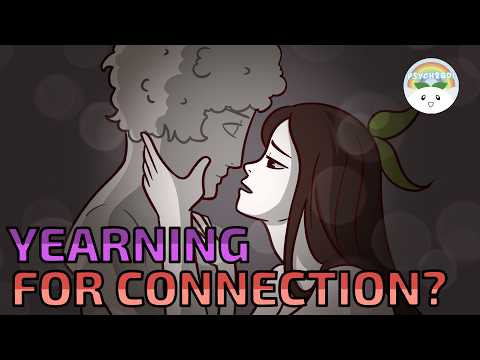
You know those moments when you just feel that strong connection with someone? Yeah, that’s emotional attachment.
It’s like a cozy blanket on a cold day, right? Warm, comforting, and hard to let go of.
Este blog ofrece contenido únicamente con fines informativos, educativos y de reflexión. La información publicada no constituye consejo médico, psicológico ni psiquiátrico, y no sustituye la evaluación, el diagnóstico, el tratamiento ni la orientación individual de un profesional debidamente acreditado. Si crees que puedes estar atravesando un problema psicológico o de salud, consulta cuanto antes con un profesional certificado antes de tomar cualquier decisión importante sobre tu bienestar. No te automediques ni inicies, suspendas o modifiques medicamentos, terapias o tratamientos por tu cuenta. Aunque intentamos que la información sea útil y precisa, no garantizamos que esté completa, actualizada o que sea adecuada. El uso de este contenido es bajo tu propia responsabilidad y su lectura no crea una relación profesional, clínica ni terapéutica con el autor o con este sitio web.
But what does it really mean? And why is it such a big deal in our relationships?
I mean, think about it: some friendships and romances stick around for ages while others fizzle out. Ever wonder why that happens?
Let’s chat about the role of emotional attachment in our lives. You’ll see how it shapes everything from casual hangouts to deep love stories!
Understanding the 4 Types of Emotional Attachment: A Guide to Relationship Dynamics
The way you connect with others can make a massive difference in your relationships. Emotional attachment plays a big role in how you bond with friends, family, and partners. There are four main types of emotional attachment, and each one shapes your relationships in unique ways. Let’s break them down.
Secure Attachment is the most balanced type. People with this style feel comfortable being close to others and can also give space when needed. They trust easily and can communicate feelings well. You know someone has a secure attachment if they’re able to handle conflicts without diving into drama or shutting down.
Think of it like playing a cooperative video game: everyone works together, supports each other, and no one’s worried about leaving the team behind.
Avoidant Attachment is quite different. Those with this style often keep their distance emotionally. They may struggle with intimacy and tend to value independence over closeness. If you’re friends with someone who always seems to dodge deep conversations or backs away when things get too close, they might have an avoidant attachment style.
Imagine playing a game where your teammate keeps running off by themselves instead of sticking together; that’s how it feels!
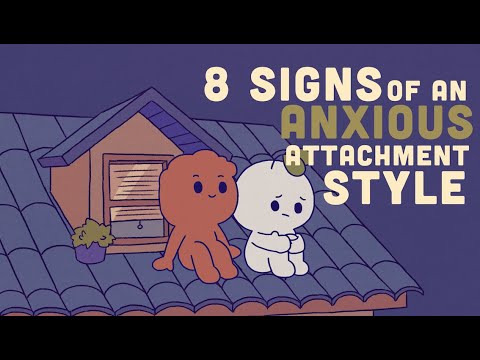
Ambivalent Attachment, sometimes called anxious attachment, is all about the push-pull dynamic. People with this style often crave closeness but fear rejection at the same time. Their feelings can seem a bit chaotic—like they want to be close but then worry that their partner will leave them high and dry.
You could compare it to those games where you have to save your teammate from falling while also trying not to fall yourself; it gets stressful!
Disorganized Attachment combines elements of both avoidance and anxiety, leading to unpredictable behavior in relationships. They might desire connection but also feel terrified of it at the same time. This type often results from trauma or inconsistent caregiving during childhood.
Think about a game where one minute you’re fighting side by side, but then your partner panics and runs off during an intense moment; that’s this form of attachment in action.
Now here’s something vital: understanding these styles can help improve your connections! You can learn more about yourself and those around you by spotting these patterns in behavior, which opens up a whole new level of communication.
In essence:
- Secure Attachment: Balanced partnerships.
- Avoidant Attachment: Emotional distance.
- Ambivalent Attachment: Push-pull dynamics.
- Disorganized Attachment: Unpredictable behavior.
Recognizing these attachments doesn’t replace professional help if you need it—sometimes we all need guidance! But understanding where you or someone else fits on this spectrum can help bring clarity into your interactions.
So there you go! Next time you’re navigating relationship waters, think about how these attachment styles play out! It might just change how you see things—and that’s pretty cool!
Understanding Emotional Attachment in Relationships: Key Concepts and Insights
Emotional attachment plays a massive role in how we connect with others. It’s like this invisible bond that can make you feel secure and loved—or, well, totally anxious and uncertain. You might find it interesting to know that there are different types of attachment styles that shape how we relate to others.
Secure attachment is when you’re comfortable with intimacy and autonomy. Think of it like being in a cozy game lobby where everyone knows the ropes and works together without feeling the need to constantly check if they’re okay. You feel good about yourself and your partner, so things flow naturally.
On the flip side, there’s anxious attachment. Ever played a game where you worry about losing points all the time? That’s kind of like being in an anxious attachment style relationship. You might feel clingy or overly dependent on your partner for reassurance. It’s exhausting, right? You really wanna score those relationship points but keep feeling insecure.
Then there’s avoidant attachment, which can be likened to someone who plays solo games—great at doing their own thing but struggles with teamwork. If you’ve got this style, you might shy away from any deep emotional connections because they make you feel vulnerable or trapped.
Here are a few key concepts about emotional attachments:
- Attachment theory: This was developed by John Bowlby and Mary Ainsworth, who studied mother-child bonds. They found that these early attachments influence future relationships.
- Impact on relationships: How attached you are can affect trust levels, communication styles, and overall satisfaction.
- Emotional intelligence: Being aware of your own feelings and those of your partner can help strengthen your bond.
- Coping strategies: When things get tough in relationships—like when one partner feels abandoned—the way each person copes often relates back to their attachment style.
You know what? Sometimes these attachments aren’t just formed with partners; they can happen with friends or family too! Take a moment to think about how these dynamics play out in your life; it could lead to some eye-opening insights.
To wrap this up a bit: understanding emotional attachment is crucial for building healthy relationships. Each style brings its own vibes into the mix—some smooth sailing, some rocky roads! Remember though, figuring all this out can be tricky on your own sometimes. If you’re feeling flooded with emotions or struggling to connect properly, talking to someone trustworthy or even seeking professional help could be super helpful.
So yeah! Emotional attachments matter hugely in our lives—it shapes our connections in ways we often don’t even see coming!
Understanding Emotional Attachment vs Love: Key Psychological Differences and Implications
Sure thing! Let’s chat about the difference between emotional attachment and love, especially when it comes to relationships. You might not realize it, but these two feelings can be pretty different, even if they often get tangled up.
Emotional Attachment is kind of like your favorite blanket. It makes you feel safe and comforted, right? It’s that sense of security you get from someone who’s always there for you, no matter what. But here’s the catch: it can sometimes turn into something unhealthy. For instance, think about a game—like when you become super attached to a character or item in a game. You feel great having it around, but if it makes you anxious when it’s not there, that’s more about attachment than genuine love.
On the flip side, Love tends to be deeper and involves caring about someone else’s happiness. It’s less about your own comfort and more about wanting what’s best for them—even if it means letting them go sometimes. Love is like finding that rare treasure in a game that makes everything else worth it; you’re thrilled not just because it’s valuable but because of how much joy sharing it brings.
So how do these feelings show up in our relationships? Let’s break down some key differences:
- Dependence vs Independence: Emotional attachment often leads us to rely on others for our identity or happiness. Love encourages us to support one another’s growth while maintaining our own independence.
- Fear vs Trust: When emotionally attached, we might fear being alone or abandoned. In love, there’s trust—a belief that they’ll be there even when things get tough.
- Selfishness vs Altruism: Attachment can sometimes make us act out of selfish needs—like needing reassurance constantly! Love focuses on giving without expecting something back.
- Avoidance vs Engagement: Those who are only emotionally attached may avoid conflict instead of tackling issues head-on; love seeks open communication.
Take a moment to think of a time when you felt really attached to someone but realized later on that it wasn’t true love. Maybe it was a friend who needed constant reassurance from you, but never really cared for your well-being outside their own needs? That pulls at your heartstrings but doesn’t quite nourish your soul.
Now remember! These distinctions are crucial because they shape how we connect with others and ourselves. If emotional attachment starts taking over our lives—making us feel anxious or uncomfortable—it might be time for some self-reflection or even talking to someone who can help.
Interpersonal relationships thrive on understanding these feelings so we don’t get lost in reliance rather than connection. I mean seriously: would you rather play solo forever or find teammates who uplift each other?
In the end, knowing the difference between emotional attachment and love can help you build healthier connections where both partners feel valued and free! Just remember this isn’t meant to replace professional advice if you’re feeling stuck—sometimes chatting with someone who knows their stuff can really shine a light on things!
You know what? Emotional attachment in relationships is like that invisible thread connecting people. It’s kind of powerful. Think about your best friend or a loved one. There’s this feeling of closeness, right? It’s not just about hanging out or sharing laughs; it’s deeper than that.
Let me tell you a little story. A while back, my friend Sam went through a rough patch. His long-term girlfriend decided to move across the country for a job opportunity, and honestly, it hit him hard. They had built this strong emotional bond over years. It wasn’t just about romance; they shared dreams, fears, and even the silly moments that made them laugh until their stomachs hurt. When she left, Sam felt this huge gap in his life. His routine changed overnight! The truth is, emotional attachment makes us feel secure and valued.
So basically, there are these two types of attachment styles: secure and insecure. Secure attachments are awesome because they foster trust and intimacy, which is what we all crave in relationships. You feel safe enough to be yourself without the fear of judgment or rejection—seriously, how freeing is that? On the flip side, insecure attachments can lead to anxiety or avoidance in relationships. You might feel clingy or overly distant because you’re scared of getting hurt.
But here’s the kicker: emotional attachment isn’t just about romantic partners; it stretches to friendships and family too! Think about your bond with your parents or that friend who always knows when you need ice cream therapy after a tough day. These connections shape who we are!
Also important to note is how emotional attachment evolves over time. In the beginning stages of a relationship, everything feels intense—you know what I mean? Those butterflies in your stomach can cloud your judgment sometimes! But as time goes on, deepening attachments become more sustainable, though they might not always have that same adrenaline rush feeling.
All in all, emotional attachment plays this vital role in our lives; it gives us joy but can also bring challenges if things go south—like breakups or distance. But that’s part of being human—navigating feelings and trying to connect with others amidst life’s ups and downs.
So remember that thread of connection next time you’re with someone special—or even when you’re texting a friend late at night—because those bonds are what make the wild ride of life worthwhile!