You know that nagging ache you sometimes feel? The kind that just won’t quit?
Este blog ofrece contenido únicamente con fines informativos, educativos y de reflexión. La información publicada no constituye consejo médico, psicológico ni psiquiátrico, y no sustituye la evaluación, el diagnóstico, el tratamiento ni la orientación individual de un profesional debidamente acreditado. Si crees que puedes estar atravesando un problema psicológico o de salud, consulta cuanto antes con un profesional certificado antes de tomar cualquier decisión importante sobre tu bienestar. No te automediques ni inicies, suspendas o modifiques medicamentos, terapias o tratamientos por tu cuenta. Aunque intentamos que la información sea útil y precisa, no garantizamos que esté completa, actualizada o que sea adecuada. El uso de este contenido es bajo tu propia responsabilidad y su lectura no crea una relación profesional, clínica ni terapéutica con el autor o con este sitio web.
Yeah, that’s what we’re chatting about today—somatic pain! It’s a big phrase, but stick with me.
Basically, it’s all about physical discomfort that can really mess with your day. It might be from injury, stress, or even your emotions acting up!
So let’s break it down together and see what this whole thing is about. Trust me, it’ll be worth it!
Understanding Somatic Pain: A Clear Explanation of Its Physical and Psychological Aspects
Somatic pain is one of those terms that might sound a bit fancy. But, seriously, it just refers to physical discomfort that you can pinpoint in your body. This kind of pain is often linked with emotional issues and stress. So, if you’ve ever felt a headache creeping in after a long day or noticed your back tightening when you’re anxious, you might be experiencing somatic pain.
- The basics: Somatic pain stems from the body’s tissue damage or injury. Think of it like getting a bruise or twisting your ankle during a game.
- Physical aspects: It’s not just “all in your head.” This pain is real! When your body experiences some sort of trauma, whether it’s physical or emotional, it sends signals to your brain that scream for your attention.
- Psychological factors: Here’s where things get interesting. Our emotions can really mess with our perception of pain. Stress and anxiety can intensify how we feel discomfort in our bodies. If you’re stressed about work, you might end up feeling tension headaches more often.
- Sensitivity: Some people have heightened sensitivity to pain due to psychological factors. It’s like playing Mario Kart: if you’re too focused on winning—or maybe racing against friends—you might not notice how hard you’re gripping the controller until your hands start to ache!
So why does this matter? In a way, somatic pain reminds us that our bodies and minds are connected more than we usually think. You’re not just dealing with muscles and bones; there’s also an emotional landscape at play.
Let me share something personal here: a while back, I had this nagging shoulder pain that wouldn’t go away no matter what I tried. I thought it was all about bad posture from too many hours at my desk. Turns out, I was going through some stress at work—my body was holding onto that tension! Once I started managing my stress better, the shoulder pain started fading away too.
It’s essential to remember that recognizing somatic pain isn’t an excuse to ignore real injuries or health issues! If something feels off for an extended period or gets worse, chatting with a healthcare professional is key.
In the end, somatic pain serves as a reminder that taking care of both your mental and physical health is essential for overall well-being. You’ve got to check in with both sides—what’s happening in your mind can totally affect how your body feels!
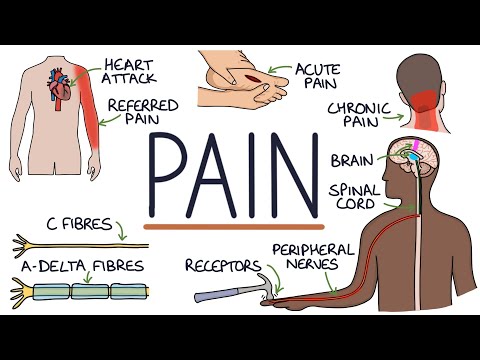
Understanding the 3 P’s of Pain: Insights into Physical, Psychological, and Social Factors
Pain can feel like that uninvited guest that overstays its welcome. It just creeps in and makes everything uncomfortable, you know? So, let’s chat about the three P’s of pain: physical, psychological, and social factors. Understanding these can help you make sense of what’s happening when pain shows up.
First off, let’s tackle physical pain. This is the kind of discomfort rooted in actual bodily harm or injury. Ever stubbed your toe? That sharp jolt you feel is your body sending signals to your brain saying, “Hey! Something’s wrong!” It could be anything from a paper cut to chronic conditions like arthritis. Physical pain can range from mild to extreme; it’s a simple response but complex in how our bodies deal with it.
- Acute Pain: This is short-term and usually resolves when the underlying issue heals. Think of it as a sneeze – annoying but temporary.
- Chronic Pain: Lasts for months or even years and can turn life upside down. Imagine playing a video game where you just can’t get past a frustrating level – that relentless feeling is similar to chronic pain!
Next up is psychological pain. This involves emotional struggles, anxiety, and stress that might not show up on an X-ray but definitely leave their mark. Have you ever felt your heart race before a big presentation? That’s your mind affecting how you physically feel. Anxiety can manifest as headaches or stomachaches – that’s real too!
- Mental Health Disorders: Conditions like depression and anxiety are linked to higher reports of physical symptoms.
- Coping Mechanisms: Your brain’s response to stress influences how much pain you feel. Someone who’s optimistic may indeed cope better than someone who isn’t!
The last piece of the puzzle is social pain. Yeah, this one flies under the radar sometimes! It’s all about how our relationships and social circles affect our experience with pain. If you’ve ever felt alone while dealing with an injury or illness, that sense of isolation can intensify suffering.
- Support Systems: Having friends or family around can be comforting – think about playing co-op games where teamwork makes everything easier!
- Cultural Factors: Different cultures view pain in unique ways; some see it as something to endure quietly while others express it openly.
The thing is, these three P’s often blend together. Physical injuries might lead to stress or sadness while social isolation could make everything worse! If you’re experiencing persistent discomfort—whether it’s physical or emotional—talking to someone who knows their stuff is super important. Don’t hesitate; reach out for professional help if needed!
So there ya have it! The multifaceted world of pain explained through those three P’s: physical, psychological, and social factors. Understanding this might not take away the hurt entirely but could definitely help you navigate through those tough times more effectively.
Common Somatic Symptoms: Understanding Physical Manifestations of Psychological Stress
Somatic symptoms are those pesky physical feelings that come out of nowhere, often linked to stress, anxiety, or other emotional issues. You know how sometimes your stomach starts churning before a big presentation? That’s a classic example of your mind and body talking to each other! Somatic pain refers to physical discomfort that doesn’t have a clear medical cause. It’s like your body is trying to tell you something, even if you can’t pinpoint it right away.
Stress can manifest in many ways. Here are some common somatic symptoms:
- Headaches – Ever had one that felt like a ton of bricks on your skull? Stress can cause tension headaches or migraines.
- Stomach issues – From nausea to irritable bowel syndrome (IBS), when you’re anxious, your gut often goes haywire!
- Aches and Pains – Muscle tension can lead to aches in your back, neck, and shoulders. Sometimes it feels like you’ve been hit by a truck.
- Tiredness – When stress hits hard, fatigue follows closely behind. It’s as if your energy reserves were drained overnight.
- Persistent Coughing or Shortness of Breath – Feeling anxious can trigger breathing problems—your body’s way of saying it’s overwhelmed.
A lot of people experience these symptoms without realizing they’re connected to psychological factors! Like that time my friend was preparing for an important exam. She developed back pain so intense she thought something was wrong with her spine. But in reality, it was her body’s response to stress and fear about the test.
Now, let me be clear: while somatic symptoms are very real and can cause significant discomfort, always check with a healthcare professional if you’ve got persistent issues. Just because they might have an emotional root doesn’t mean you should ignore physical signs!
And here’s where the game metaphor could come in handy! Think about how in video games—like when you’re playing an RPG—characters may start showing signs of wear when they’re low on health or facing tough challenges. Just as you’d need to recharge health points or seek out potions in the game, our bodies need some attention too when we’re under mental stress.
When dealing with somatic symptoms, consider these approaches:
- Meditation or Mindfulness: These practices help calm the mind and may reduce those nagging physical sensations.
- Talk Therapy: Speaking with a therapist helps unravel what might be causing that stress knot inside.
- Physical Activity: Exercise releases endorphins which combat stress and improve mood; it’s like getting an upgrade for both mind and body!
Remember, acknowledging these symptoms is key! They’re not just figments of your imagination—they’re real signals from your body that deserve attention. So if you find yourself grappling with unexplained aches or pains linked to stress or anxiety—don’t hesitate reach out for professional help!
You know, somatic pain can really mess with your day. It’s that nagging discomfort you might feel in your back or neck, but it doesn’t always come from an injury. Sometimes, it’s more about what’s happening in your mind and body working together, really. I remember one time, a friend of mine was dealing with some serious anxiety—it was like a weight on her chest and she kept saying her ribs hurt. Turns out, the stress and tension were manifesting as physical pain.
The thing is, somatic pain refers to that physical discomfort that’s often tied to emotional or psychological factors. It’s not just in your head; there’s real pain involved! When you’re feeling overwhelmed or anxious, your body can tighten up or react in ways you might not expect. Ever notice how when you’re stressed out, it can feel like your shoulders are practically touching your ears? Yeah, definitely not cool.
It also makes sense if you think about it: our bodies and minds are super connected. When emotions run high—like fear or sadness—our physical state can reflect that turmoil too. So, if something’s bothering you emotionally and you’re ignoring it, well… your body could start to throw a little tantrum as a reminder to pay attention.
The key takeaway? Paying attention to both emotional and physical sensations is so important! It can truly help address the source of that discomfort instead of just treating the symptoms. So next time you feel some sort of pain creeping up on you, maybe take a moment to check in—what’s going on with you mentally? You might find that there’s more than meets the eye when it comes to somatic pain!