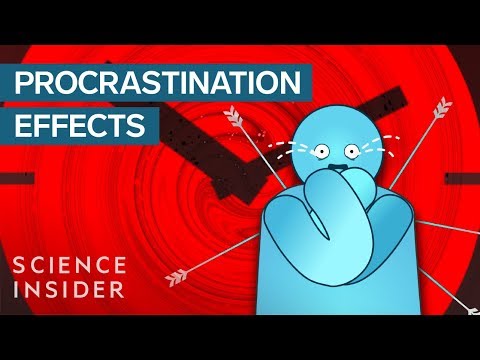
You know that moment when you’ve got a big project due, but somehow you’re just scrolling through those TikTok dances instead? Yeah, that’s procrastination for you.
Este blog ofrece contenido únicamente con fines informativos, educativos y de reflexión. La información publicada no constituye consejo médico, psicológico ni psiquiátrico, y no sustituye la evaluación, el diagnóstico, el tratamiento ni la orientación individual de un profesional debidamente acreditado. Si crees que puedes estar atravesando un problema psicológico o de salud, consulta cuanto antes con un profesional certificado antes de tomar cualquier decisión importante sobre tu bienestar. No te automediques ni inicies, suspendas o modifiques medicamentos, terapias o tratamientos por tu cuenta. Aunque intentamos que la información sea útil y precisa, no garantizamos que esté completa, actualizada o que sea adecuada. El uso de este contenido es bajo tu propia responsabilidad y su lectura no crea una relación profesional, clínica ni terapéutica con el autor o con este sitio web.
It’s like this sneaky little monster that shows up right when you need to focus. I mean, we’ve all been there, right? The deadlines loom, but suddenly the couch looks way more inviting.
So, why do we procrastinate? What makes us put things off until the last minute? Let’s dig into that.
We’ll chat about what really causes it and the not-so-fun consequences it can bring. Trust me, this is gonna be… well, kind of a wild ride!
Understanding Procrastination: A Clear Example and Its Psychological Impact
Procrastination. Ah, that sneaky little habit we all know too well. You sit down to tackle something important, but instead, you’re scrolling through social media or binge-watching a show you’ve already seen three times. Seriously, what gives?
So, what exactly is procrastination? Well, it’s the act of delaying or postponing tasks. This can be anything from putting off a work project to avoiding those pesky chores at home. You know, that feeling when you have an assignment due tomorrow but instead decide to play video games for hours? Yep, that’s procrastination in action.
Now, let’s unpack some causes. There’s often a mix of emotions and reasons at play here:
- Fear of failure: Maybe you’re worried your work won’t be good enough.
- Lack of motivation: Sometimes the task just feels so boring that you’d rather do anything else.
- Overwhelm: If it seems too big or complicated, it’s easier to ignore it altogether.
Let me share a little story. A friend of mine was working on his thesis for grad school. Each day he’d tell himself he’d start writing. But instead? He’d get sucked into playing Fortnite with his buddies until the early hours! By the time he realized how close the deadline was, panic set in. The pressure made it even harder for him to focus.
That brings us to the consequences. Procrastination can have some pretty serious effects on our mental health and well-being:
- Anxiety: Constantly pushing things off can lead to worry about deadlines looming.
- Stress: The last-minute rush often results in stress peaks!
- Poor performance: When you don’t put in the time upfront, your results may suffer.
But hold up—procrastination isn’t just about slacking off or being lazy! It often stems from deeper issues like fear or perfectionism. This means understanding it requires some self-reflection.
And here’s something else: different people experience procrastination in various ways. Some juggle tasks like pros but still put off starting them; others might dive into something new altogether as a way of avoiding what’s important.
You know what? Tackling this tricky habit isn’t easy! But recognizing why and how you procrastinate is a good first step. Remember that breaking patterns takes time and effort—no pressure!
If you find that procrastination seriously disrupts your life or makes you feel stuck emotionally, reaching out to someone who knows their stuff might help—you know, a professional might have some insights worth exploring.
Basically, understanding procrastination is just as much about softening its blow as it is figuring out what’s going on in your mind when those “I’ll do it later” thoughts pop up. So take a deep breath; you’re not alone in this struggle!
Understanding Procrastination: Definition and Real-Life Examples
Procrastination, huh? It’s that annoying habit we all know too well. You know, when you keep putting off tasks until the last minute? Yep, we’ve been there. But what really drives us to procrastinate?
Defining Procrastination
At its core, procrastination is the action of delaying something. Whether it’s that paper due tomorrow or a work project that’s been sitting on your desk for weeks, it often leads to unnecessary stress and anxiety. You might think it’s just about being lazy, but honestly, it runs deeper.
Causes of Procrastination
There are several reasons you might find yourself stalling:
- Fear of Failure: Sometimes, the thought of not doing a good job can be paralyzing. Remember that time you avoided starting an assignment because you were afraid it wouldn’t be perfect? Totally relatable!
- Lack of Motivation: If you don’t see the point in your task, why would you want to do it? For instance, trying to clean your room just because someone said so isn’t exciting.
- Overwhelm: A huge task can feel like climbing Mount Everest. If it seems impossible to tackle, you’ll likely push it aside.
- Distractions: And let’s not forget how easy it is to get lost in scrolling through social media or playing video games instead! Seriously, one more round of Candy Crush «just for five minutes» can easily turn into hours!
The Consequences
So what happens when procrastination becomes a habit? Here’s the deal:
- Anxiety and Stress: The closer deadlines loom, the more anxious you tend to feel. It’s like a ticking time bomb waiting to explode right before that big presentation.
- Poor Performance: Since you’re rushing at the last minute, your work probably isn’t up to par. I mean, who hasn’t thrown together an assignment at 2 AM only to cringe when reading it later?
- Erosion of Self-Esteem: Constantly avoiding tasks can lead to feelings of guilt and shame. It becomes this nasty cycle where you’re stuck feeling bad about yourself.
A Personal Touch
Let me share a little story here—once upon a time (okay maybe not “once upon a time”), I had this massive project due for school—like full-blown nightmare status. So instead of getting started early like my friends suggested (who does that?), I opted for Netflix binge-watching instead! By the time I actually sat down to work on it? Oof! Stress levels were through the roof!
In real life, procrastination is something we all face from time to time—it’s just human nature! Recognizing those patterns is key; yet sometimes we need help sorting things out and tackling those underlying emotions or beliefs.
So remember: if procrastination becomes overwhelming or feels impossible to manage on your own? Seeking professional help isn’t a bad idea at all!
Understanding Procrastination: Unpacking Its Meaning and Psychological Implications
Procrastination is one of those things we all deal with, right? You know, you’re sitting there thinking about that assignment you need to finish or the laundry that’s piling up, but somehow, scrolling through your social media becomes way more enticing. It’s like your brain says, “Hey! Let’s do everything else except what we actually need to do.” So, what gives?
What is Procrastination?
At its core, procrastination is the act of delaying tasks or responsibilities. It’s not just about being lazy or disorganized; there are deeper psychological factors involved. People often procrastinate because they’re feeling overwhelmed, anxious, or even bored. It’s pretty common to put off an assignment because you’re scared it won’t turn out well—or maybe you just really don’t want to do it.
Why Do We Procrastinate?
There are several reasons why procrastination happens:
- Fear of Failure: If you’re worried about not doing a good job, it’s easier to avoid the task altogether.
- Lack of Motivation: Sometimes tasks feel pointless or boring. If you don’t see the value in finishing something, you’re likely going to push it aside.
- Perfectionism: Wanting everything to be perfect can lead you to hold off on starting something until conditions feel just right.
- Avoidance of Discomfort: Tasks can be stressful. If you’re avoiding feelings like anxiety or frustration by putting things off, that’s a form of procrastination too.
Think about a time when you had a big project due at work or school. Did you ever find yourself binge-watching your favorite show instead? That was probably your brain trying to escape the stress and discomfort that project was causing. Makes sense?
The Consequences of Procrastination
Procrastination doesn’t just vanish when you finally tackle that task; it can lead to some serious consequences:
- Increased Anxiety: The longer you wait, the more this task looms over your head like a storm cloud.
- Poor Performance: Rushing at the last minute often results in lower-quality work.
- Loss of Opportunities: Missing deadlines can mean lost chances for promotions at work or poor grades in school.
- Bitter Regrets: You might look back and wish you’d managed your time better.
Let’s say you’re playing a game where every level gets harder as time passes. If you keep putting off completing the earlier levels because they seem too difficult or boring now, you’ll find yourself stuck later on when things get really challenging!
Tackling Procrastination
It can be tough breaking this cycle; however, understanding why we procrastinate is the first step towards getting better at managing it.
One approach could be setting smaller goals—like breaking down larger tasks into bite-sized pieces—so they don’t feel so overwhelming. Rewarding yourself after finishing each small step could also help keep motivation high.
Remember though: if procrastination becomes crippling—like if it’s seriously affecting your life—it might be helpful to talk with someone who knows their stuff in mental health.
So next time you’re tempted to put something off again—just think! Is it fear holding me back? Or boredom? Identifying what’s behind our tendency can help us overcome it and reclaim our time!
Procrastination is one of those cheeky little habits that we all seem to dance with at some point, right? You’ve got a project due in a week, and instead of diving in, you find yourself scrolling through social media or binge-watching that series everyone’s been raving about. You know what I mean?
So, what’s really going on there? Well, procrastination isn’t just laziness. It can stem from a whole cocktail of emotions. Sometimes it’s fear—fear of failure or even success. Other times it’s perfectionism; you want everything to be just right before you even begin. And let’s not forget boredom! If a task feels dull or overwhelming, it’s super tempting to kick it down the road for another day.
Not too long ago, I had this big deadline looming for a writing project. I kept telling myself I’d start “tomorrow.” Days passed, and I ended up pulling an all-nighter because my brain was screaming “why didn’t you just start sooner?” The weight of that last-minute rush was brutal. It made me realize procrastination doesn’t just mess with your schedule; it steals your peace of mind.
The consequences can be pretty wild, too! When we put things off, the stress builds up like a pressure cooker ready to explode. And that can impact our mood and overall mental health. It’s like living with a nagging itch that won’t go away until you scratch it; uncomfortable and annoying!
But hey, there’s also good news here! Recognizing why we procrastinate is the first step to tackling it head-on. Maybe it’s about breaking tasks into bite-sized pieces or giving yourself little rewards along the way—whatever works for you! So next time you find yourself in sticky situation of putting things off, take a moment to think: What am I really avoiding here?
In the end, we all have our moments of delay but understanding the «why» behind it can help us manage this pesky habit better. Remember though—it’s okay to not have everything figured out right away; life is more about progress than perfection!