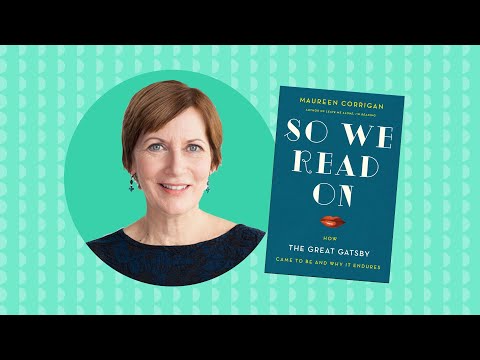
You know Maureen Corrigan, right? She’s that literary critic who’s basically a rock star in the book world. Her journey through literature is super interesting.
Este blog ofrece contenido únicamente con fines informativos, educativos y de reflexión. La información publicada no constituye consejo médico, psicológico ni psiquiátrico, y no sustituye la evaluación, el diagnóstico, el tratamiento ni la orientación individual de un profesional debidamente acreditado. Si crees que puedes estar atravesando un problema psicológico o de salud, consulta cuanto antes con un profesional certificado antes de tomar cualquier decisión importante sobre tu bienestar. No te automediques ni inicies, suspendas o modifiques medicamentos, terapias o tratamientos por tu cuenta. Aunque intentamos que la información sea útil y precisa, no garantizamos que esté completa, actualizada o que sea adecuada. El uso de este contenido es bajo tu propia responsabilidad y su lectura no crea una relación profesional, clínica ni terapéutica con el autor o con este sitio web.
Imagine spending your life diving into stories, unearthing hidden gems, and sharing your thoughts with everyone. That’s what Maureen does.
But it’s not just about critiquing books; it’s about connecting with stories that change how we see the world. Seriously, how cool is that?
Let’s talk about her insights and lessons learned along the way. You’re gonna want to stick around for this!
Exploring the Themes and Subjects of Maureen Corrigan’s Writing
Maureen Corrigan is a literary critic whose writing dives deep into the world of books, examining themes that resonate with many readers. Her style blends personal narrative with sharp analysis, creating a connection between her experiences and the literature she discusses. Let’s explore some of the key themes in her works.
Personal Connection to Literature
One defining characteristic of Corrigan’s writing is how she draws from her personal life. For instance, she often relates her own experiences to the books she critiques. In “So We Read On,” she reflects on how F. Scott Fitzgerald’s “The Great Gatsby” shaped her understanding of ambition and failure. This personal touch makes her insights feel more relatable and profound.
Literary Culture
Corrigan also examines the broader literary culture. She looks at how societal changes influence what we read. Her criticism often highlights the importance of understanding context when evaluating literature, which helps readers appreciate not just stories but also their backgrounds. It’s like playing a video game where knowing the backstory enhances your experience.
- The Role of Women in Literature: Corrigan frequently discusses female authors and characters, highlighting their contributions and struggles within a male-dominated literary landscape.
- Community Building: She fosters a sense of community among readers by emphasizing shared experiences through literature.
- The Power of Storytelling: Corrigan believes storytelling can shape our identity and values, urging readers to consider what narratives they embrace.
Critique and Celebration
Her nuanced critiques both celebrate and challenge writers. For example, while praising an author’s style or creativity, she’ll also call attention to gaps or biases in their work. This dual approach encourages critical thinking among readers—something that games often do when they present players with moral choices.
In summary, Maureen Corrigan’s writing is an exploration of literature through her lens shaped by personal stories and critical thought. Through her work, you get to feel not only the joy of reading but also its complexities. And while her insights are compelling, remember they’re meant to enhance your reading experience—not replace professional help if you’re navigating tougher emotional terrains!
Exploring Maureen Corrigan’s Favorite Book and Its Psychological Impact
Maureen Corrigan, a well-known literary critic and professor, has shared her love for many books over the years. But one that stands out is «The Great Gatsby» by F. Scott Fitzgerald. For Maureen, this book isn’t just an American classic; it’s a deep dive into the human psyche.
Why does she love it so much? The characters in «The Great Gatsby» are complex and flawed, which makes them relatable. For example, take Jay Gatsby himself. He’s the ultimate dreamer but also deeply lonely. Wouldn’t you agree that seeing someone chasing their dreams while battling inner demons can be both fascinating and heartbreaking?
One psychological impact of reading this novel is empathy. When you read about Gatsby’s desperate attempts to win back Daisy Buchanan, you can’t help but feel for him, right? It’s like watching a friend making bad decisions in life—it’s painful yet compelling.
When we look at themes like identity and social status, we see how they influence behavior. Think about it: Gatsby throws extravagant parties to gain attention and validation from Daisy—and society as a whole! This mirrors real-life situations where people often try to fit into molds or chase superficial success to feel valued.
Also, Maureen points out how the setting adds layers to the characters’ experiences. The 1920s Jazz Age culture comes with its own pressures and expectations. The psychological implications here are significant because they show how environment shapes personality and choices.
Then there’s the idea of disillusionment that permeates the novel. After accumulating wealth without finding happiness, characters experience intense disillusionment—a reality many face in life, where success doesn’t guarantee satisfaction or fulfillment. This theme resonates deeply with anyone feeling lost despite achieving their goals.
Moreover, Corrigan’s insights remind us that while literature can reflect our lives and struggles, it’s not a substitute for professional help when we need it. If you’re feeling overwhelmed or disconnected like some characters in «The Great Gatsby,» reaching out for support is essential.
In summary, Maureen Corrigan’s appreciation of «The Great Gatsby» isn’t just about loving literature—it’s about grappling with complex emotions tied to identity and ambition.
- Empathy: Feeling for flawed characters.
- Identity & Social Status: How society influences behavior.
- Disillusionment: Success doesn’t always equal happiness.
- The Influence of Setting: The impact of historical context on personal experience.
Exploring these elements through literature can be enlightening! It opens doors to understanding ourselves better while reminding us that our mental health matters too.
Exploring the Career Longevity of Maureen Corrigan as a Book Critic
Maureen Corrigan’s career as a book critic is both fascinating and inspiring. With decades of experience under her belt, she’s built a reputation that’s both respected and beloved. It’s not every day you find someone who can balance intense literary criticism with genuine passion for books. But how has she managed this remarkable longevity? Let’s explore.
Deep Knowledge of Literature
First off, one key to Maureen’s success is her deep understanding of literature. She studied English at a high level, earning her graduate degrees before stepping into the spotlight. This academic foundation allows her to analyze texts with precision and insight, something many readers truly appreciate. When you hear her speak about characters or themes, it feels like she knows them personally!
Engaging Writing Style
Her writing isn’t just about the books; it’s also about how she writes about them. Maureen has a knack for making complex ideas easy to digest while keeping things lively. You can almost feel the excitement in her words, and that draws readers in like moths to a flame! It’s not just about critiquing; it’s storytelling in itself.
Wide Range of Interests
Another factor is her versatility. Maureen doesn’t restrict herself to one genre or type of book; she dives into fiction, non-fiction, and even memoirs with equal enthusiasm. This wide-ranging interest means she always has fresh perspectives on various topics:
- Classic literature gives her depth.
- Contemporary novels keep things current.
- Genre fiction often surprises even seasoned readers!
This versatility keeps her relevant and interesting.
A Connection with the Audience
You know what? Maureen connects with her audience on a personal level too. She often shares anecdotes that resonate with real-life experiences—kind of like talking about the latest plot twist from your favorite show over coffee! This genuine approach makes her critiques feel less formal and more like friendly discussions.
Consistency is Key
Plus, let’s talk about consistency. Maureen has been writing for NPR since 1998! That kind of unwavering presence builds trust among listeners and readers alike. You know who they’re turning to for reliable insights whenever they pick up a book or listen to a review.
Adaptation to Change
But here’s something important: staying relevant in this digital age can be tough! Still, Maureen gracefully adapts by embracing new platforms like social media while maintaining her core values as a critic. It allows younger audiences to discover what she offers without losing touch with longtime fans.
In short, exploring Maureen Corrigan’s career opens up so many avenues related to literary criticism and audience engagement! Her passion for books shines through everything she does—from insightful critiques infused with personality to connecting deeply with people who share that same love for stories.
And remember, while it can be inspiring learning from someone like Corrigan never forget that individual journeys differ —what works for one person may not work for another! Always seek out what resonates best for you in your own reading adventures!
You know, Maureen Corrigan is one of those literary critics who just draws you in with her passion for books. She’s not just about dissecting plots or analyzing character arcs—she makes literature feel alive, like it’s a conversation you’re having over coffee with a friend.
I remember the first time I stumbled upon her work. I was holed up in my room, surrounded by stacks of novels, feeling overwhelmed by a world that seemed too vast to conquer. Then I found one of her reviews and it was like a lightbulb went off! She had this way of connecting the dots between various themes and the human experience, making me reflect on stuff I’d never considered before. It made me realize that reading isn’t just about escaping into another world; it’s about understanding ourselves, our experiences, and societal layers.
One thing I admire about Corrigan is how she shares her own journey through literature. She often reflects on her childhood and what sparked her love for storytelling—growing up in a household where books were cherished. It’s relatable, you know? A lot of us have those early memories tied to the stories we read or heard. Those moments when we could finally escape reality for a while can be powerful!
It’s interesting when you think about criticism as an art form itself. Often, people assume critics are just these snobby gatekeepers trying to tell us what’s worth our time. But Corrigan has this brilliant way of showing that it’s about exploration—about inviting readers into the literary conversation rather than shutting them out. She appreciates the messy bits of stories: the flaws, the contradictions, and all those unexpected turns that make life so colorful.
In her journey through academia and then into public commentary—like on NPR—she’s navigated some pretty complicated waters. Sometimes critiquing isn’t just about what works; it can also challenge societal norms or reflect deeper cultural dialogues. Corrigan pulls back those layers with style!
So yeah, when we think about someone like Maureen Corrigan, we see more than a critic—we see someone who’s sharing their love for literature and urging us to find connections between pages and our own narratives. It reminds us that every story has something to say; sometimes all we need is a fresh perspective to truly appreciate it!