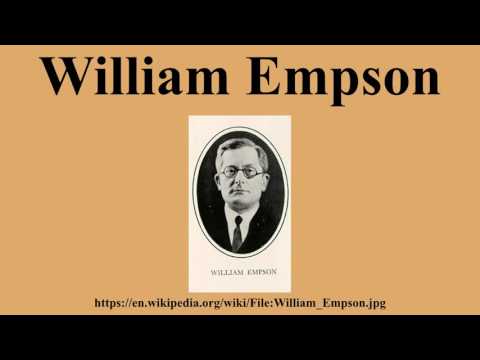
Hey, you! So, let’s chat about William Empson. Ever heard of him?
Este blog ofrece contenido únicamente con fines informativos, educativos y de reflexión. La información publicada no constituye consejo médico, psicológico ni psiquiátrico, y no sustituye la evaluación, el diagnóstico, el tratamiento ni la orientación individual de un profesional debidamente acreditado. Si crees que puedes estar atravesando un problema psicológico o de salud, consulta cuanto antes con un profesional certificado antes de tomar cualquier decisión importante sobre tu bienestar. No te automediques ni inicies, suspendas o modifiques medicamentos, terapias o tratamientos por tu cuenta. Aunque intentamos que la información sea útil y precisa, no garantizamos que esté completa, actualizada o que sea adecuada. El uso de este contenido es bajo tu propia responsabilidad y su lectura no crea una relación profesional, clínica ni terapéutica con el autor o con este sitio web.
He was this brilliant literary critic and poet who basically shook things up in the 20th century. Seriously, his ideas are still buzzing around today.
Imagine someone who could read a poem and pull it apart like a puzzle, finding hidden meanings everywhere. That was Empson!
He had this knack for making you see literature in a whole new light. I mean, who wouldn’t want to dive into that world?
Stick with me as we peel back the layers of this fascinating guy’s life and work. You’re gonna want to know more!
William Empson: Life, Work, and Psychological Insights into His Literary Criticism
William Empson was a literary critic and poet who really changed the game in how we understand literature. Born in 1906, this British thinker not only brought a fresh perspective to poetry but also opened up new ways of looking at literary criticism. He’s best known for his book, Seven Types of Ambiguity, which dives deep into the nuances of language and meaning. It’s kind of like when you’re playing a video game and think you’ve discovered all the secrets, but then you realize there’s more hidden levels waiting for you.
Empson emphasized the complexity in literature. To him, every poem wasn’t just a straightforward text; rather, it contained layers and layers of meanings—kind of like peeling an onion (and some days it might even make you cry). This idea that words can have multiple interpretations is pivotal in literary analysis.
His psychological insights can be traced through his exploration of emotion and intention behind words. Empson believed that understanding a poem required not just knowing what it says on the surface but also getting into the headspace of both the writer and reader. You know what? That’s sort of like figuring out why your friend reacts dramatically to video game losses—it often has roots deeper than just that one moment.
Here are some key points about Empson’s contributions:
- Interpreting Ambiguity: He focused on how ambiguity enriches literature.
- Psychological Depth: Empson urged readers to connect emotionally with texts.
- Cultural Context: He believed context shapes meaning, reminding us that societal norms matter.
- Poetic Forms: His analysis included discussing different poetic structures—like analyzing different character classes in games.
Empson’s impact went beyond academia; he infused literary criticism with psychological insight. By acknowledging human emotions tied to literature, he encouraged critics to feel what they read instead of just dissecting it like an insect in a science class.
In his later years, he engaged with modernist poetry while consistently challenging conventional views. His approach made others reconsider established ideas about language and meaning—like discovering an unexpected twist in your favorite story plot.
Overall, William Empson left behind a legacy that encourages us to appreciate literature not merely as words on a page but as an intricate dance between emotion, meaning, and context. It’s like unlocking achievements in those leveling-up games; every insight leads to a richer understanding.
Remember, while diving into these complex ideas can be enlightening, if you’re feeling overwhelmed or anxious about anything in life or your reading journey—you know where to turn for professional help!
Top 5 Poets of All Time: Influence on Human Emotion and Thought
William Empson is one of those literary figures who changed the game. His work as both a poet and a literary critic has left a lasting mark on our understanding of poetry and human emotion. Let’s break down why he’s worth talking about, especially when you think about how poets can influence our feelings and thoughts.
First off, Empson was all about ambiguity. He believed that a good poem should have multiple meanings. You know how sometimes you read something and it hits you in different ways? That’s what he aimed for. His book, Seven Types of Ambiguity, dives deep into this concept. He showed that poetry isn’t just about what you see on the surface; it’s also about the layers beneath.
Another key point is his ability to connect emotion with intellect. In his poems, he didn’t shy away from complex ideas. Take his poem «Missing Dates,» for instance. It’s filled with emotional depth while still wrestling with intellectual themes like loss and time. You can feel the weight of his thoughts; they resonate with anyone who’s ever felt the sting of nostalgia or regret.
The way Empson mixed personal experience with broader themes is also noteworthy. He didn’t just write to impress critics; he wrote to explore his own feelings and to grapple with life’s big questions. This makes his poetry relatable, even today! For example, when he touches on love or loss, it feels like he’s speaking directly to your heart.
He was also heavily influenced by other greats like T.S. Eliot and Ezra Pound which shows how interconnected literature can be – everyone is learning from each other! This influence helped shape his critical approach, making him a bridge between traditional poetry and modern thought.
Lastly, let’s not forget the impact of Empson’s writing style itself – it’s vibrant but not overly complicated! His words flow in such a way that they draw you in while still making you think deeply about what they mean. This balance keeps readers engaged and stimulates critical thinking.
So, if you’re exploring poetry for its emotional depth or intellectual clarity, paying attention to William Empson might just open up new avenues for understanding your own feelings or those of others around you! You totally get a sense of how poets can stir emotions through their words—you feel me? Just remember that while discussing these profound topics can be enlightening, it doesn’t replace professional advice if you’re navigating tough stuff in life.
- Ambiguity: Pioneered the idea that poetry should have multiple meanings.
- Emotion & Intellect: Merged deep personal feelings with complex themes.
- Personal Experience: Drew from his own life to create relatable work.
- Influence: A bridge between past poets like Eliot and modern thought.
- Writing Style: A unique blend of vibrancy and clarity keeping readers engaged.
In summary: William Empson isn’t just some old-school poet—he’s a revolutionary figure who helps us see how **poetry** reflects **human emotions** and shapes our thoughts over time!
Exploring the Influences on William Empson: Key Figures and Psychological Impacts
William Empson might be best known as a literary critic and poet, but like all of us, he was influenced by a bunch of people and ideas throughout his life. Understanding these influences is like piecing together a puzzle that reveals the man behind the pen. Let’s take a look at some key figures and the psychological impacts they had on him.
First off, Empson was born in 1906 in England. His upbringing played a big role in shaping him. His father was a headmaster, pushing him toward academic excellence. This early education instilled a sense of discipline but also created pressure. Can you imagine? It’s like when you’re trying to score high in a game—constantly aiming for perfection can be exhausting.
- Key Figures: Some notable figures who influenced Empson include T.S. Eliot and Ezra Pound.
- T.S. Eliot: Empson admired Eliot’s views on modernism, which helped shape his own ideas about literature.
- Ezra Pound: As an avant-garde poet, Pound’s emphasis on precision resonated deeply with Empson.
Both Eliot and Pound were kind of like mentors from afar for Empson. Their works encouraged him to think outside conventional literary boundaries. You know how sometimes you find inspiration from your favorite players or creators? That’s exactly what happened to him.
Empson also had personal experiences that affected his writing style and critical approach. During his time at Cambridge University, he faced social pressures and the challenge of fitting into intellectual circles. Imagine trying to level up in a competitive game; it can make you feel both motivated and anxious.
Another significant influence was the context of World War II. The chaos and uncertainty of that time deeply impacted many artists, including Empson. His poetry reflected these struggles, kind of like how video games often explore themes of conflict and survival.
- Psychological Impacts: The war brought themes of loss and disillusionment into his work.
- Cultural Shifts: The rise of new literary movements pushed Empson to reevaluate traditional forms.
The tension between tradition and innovation led him to explore complex ideas through surprise in language—basically making readers do a double-take! It’s sort of like encountering an unexpected twist while playing your favorite game; it keeps things interesting!
So yeah, William Empson’s influences were multifaceted—from mentors who inspired him creatively to personal experiences that shaped his emotional landscape. He blended these elements into something unique that resonates even today.
All in all, if you ever dive into his work, keep these influences in mind! They add layers to what may seem like just words on a page but are actually reflections of his world—and maybe even yours too! Just remember though: diving into someone else’s psyche doesn’t replace professional help if you’re ever feeling overwhelmed by your own thoughts or emotions!
William Empson was one of those literary minds who really knew how to stir the pot, you know? His work has had such a ripple effect on both poetry and criticism. If you’ve ever read his stuff, you can sense that he was deeply passionate about language and meaning—a true lover of words. It’s like he had this magic ability to uncover layers in poetry that most people might just skim over.
Reading Empson’s «Seven Types of Ambiguity» recently got me thinking. He wasn’t just throwing around theories; he was engaging with texts almost like they were his friends. He’d analyze poems and dissect them with a scalpel, revealing hidden meanings and connections. It’s like peeling back the layers of an onion, and honestly, sometimes you might even find yourself crying a little—not just from the onion smell but from the raw beauty of it all.
I remember this one time in college when we had to analyze a poem for class. I struggled to see beyond the surface meaning until I stumbled across Empson’s ideas. Suddenly, everything clicked! I could see how ambiguity could be its own kind of art form. It was like a lightbulb moment where I felt empowered to appreciate poetry on a whole new level.
And that’s what Empson did for so many others too—he took this seemingly daunting world of literature and made it feel accessible, exciting even! Sure, he had his quirks; not everyone is going to vibe with his style or theories. But isn’t that the beauty of literary criticism? You find your voice through engaging with others’, even when it gets complicated.
So when reflecting on Empson today, it’s worth recognizing his impact wasn’t just about critiquing literature but opening doors for readers and writers alike. You don’t just read poetry anymore; you dive in headfirst, explore its depths, and maybe even emerge with something new every time. And that curiosity he inspired? That’s still alive—and that’s what makes him so pioneering in both literary criticism and poetry!