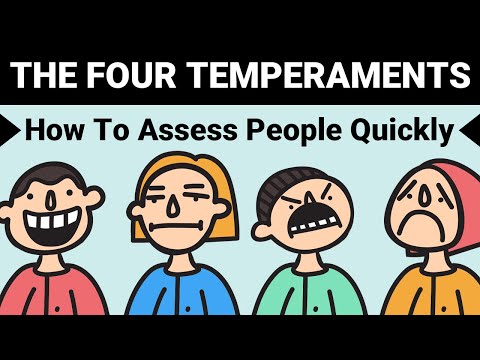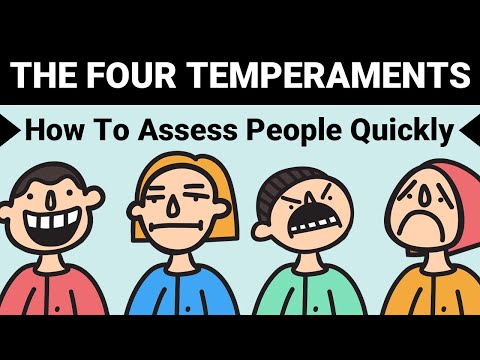
Hey, you! Let’s chat about something a little quirky today. Ever heard of the Four Humors? They’re this ancient way of thinking about personality that’s kinda wild when you think about it.
Este blog ofrece contenido únicamente con fines informativos, educativos y de reflexión. La información publicada no constituye consejo médico, psicológico ni psiquiátrico, y no sustituye la evaluación, el diagnóstico, el tratamiento ni la orientación individual de un profesional debidamente acreditado. Si crees que puedes estar atravesando un problema psicológico o de salud, consulta cuanto antes con un profesional certificado antes de tomar cualquier decisión importante sobre tu bienestar. No te automediques ni inicies, suspendas o modifiques medicamentos, terapias o tratamientos por tu cuenta. Aunque intentamos que la información sea útil y precisa, no garantizamos que esté completa, actualizada o que sea adecuada. El uso de este contenido es bajo tu propia responsabilidad y su lectura no crea una relación profesional, clínica ni terapéutica con el autor o con este sitio web.
Imagine breaking down your personality into four flavors: blood, phlegm, yellow bile, and black bile. Sounds gross, right? But stick with me.
This model has been hanging around for centuries and still pops up in conversations. It’s like a window into ancient minds. So grab your favorite drink, kick back, and let’s explore what these humors say about you—yes, you!
Understanding the Ancient Theory of the Four Humors and Its Psychological Implications
The ancient theory of the Four Humors has roots that stretch back to Hippocrates and Galen, way before modern psychology came on the scene. This model suggested that our personalities, health, and moods were deeply influenced by four bodily fluids: blood, phlegm, yellow bile, and black bile. If you think about it like those quirky RPG character types, you can see how each humor corresponds to a different personality trait!
So let’s break it down a bit:
- Blood – This humor is all about being sociable and cheerful. People driven by blood might be the life of the party! They’re often described as sanguine. You know someone who lights up a room? Yeah, that’s them.
- Phlegm – If someone is calm and reliable but can occasionally be a bit too relaxed or lazy, they’re probably influenced by phlegm. This type is called melancholic. Think of your chillest friends who just go with the flow.
- Yellow Bile – Those with a touch of yellow bile tend to be assertive and ambitious! When their mood swings high, they can be fiery and passionate like choleric characters in games who rush headfirst into battles!
- Black Bile – Often linked with introspection or sadness, black bile produces melancholic traits. People here may seem sensitive or contemplative; picture your friend who always seems deep in thought.
Now here’s where things get interesting! The Four Humors not only categorized personality but also tied directly to health conditions. An imbalance among these humors was thought to cause various physical and mental health issues. For instance, if someone had too much yellow bile—let’s say they’re feeling super angry or irritable—they could’ve been diagnosed with “excess bile.” Crazy right?
Even today you might find some echoes of this theory in common sayings about “balance.” Balance was key back then too! Imagine role-playing games where characters harness different abilities based on their primary humor—sanguine warriors might charm others for information while choleric leaders rally their troops!
Reflecting on these traits can still help today when you’re trying to understand yourself—or even friends better. Let’s say you’re feeling off one day; maybe there’s an imbalance happening! While we can’t diagnose anyone based on this age-old system (health professionals are your best buds for that), it’s insightful to ponder our moods and behaviors through these lenses.
In the end, whether you identify more with the bubbly sanguine or the reflective melancholic can really shine some light on how you navigate relationships or tackle challenges in life—like an old-school personality test! Just remember though: while this stuff is fascinating and can provoke self-reflection, it should never replace seeking help from a professional if you’re facing serious issues.
So next time you feel those mood swings coming on strong, imagine what humor might be at play! Life’s wild ride has just as many twists as those ancient theories suggested—and maybe they’ve got something worthwhile to teach us after all!
Identifying the Talkative Temperament: Understanding Communication Styles
Alright, let’s talk about the talkative temperament! Have you ever met someone who could chat your ear off? You know, the ones who just seem to thrive in conversations and are always ready with a story? That’s the talkative temperament, and it’s all about how people communicate.
Now, this idea comes from the ancient model of personality called The Four Humors. This model groups people based on four body fluids: blood, phlegm, yellow bile, and black bile. Each humor corresponds to certain personality traits. The talkative type aligns closely with being sanguine—those bubbly, engaging folks who love social interactions.
Sanguine personalities are characterized by their energy and sociability. Here’s a little breakdown of their traits:
- Outgoing: They really enjoy meeting new people and making connections.
- Expressive: Usually, they’re great storytellers—always animated when they speak!
- Pensive: These individuals often think out loud; even their inner thoughts can turn into chatter.
- Positive: They tend to have an optimistic view of life and see the silver lining in situations.
I remember one time at a party, I met this guy named Mark. He was a total sanguine—a real social butterfly! Every time I turned around, he was in a new conversation with different people, totally lighting up the room. It made me realize how those with this temperament often energize others around them.
But there’s more to it than just being chatty. Communication styles also vary among individuals. Sanguines might struggle sometimes with listening as they can get caught up in their excitement to share stories. This is where an interesting aspect comes into play: good communication isn’t just about talking; it includes listening too!
You might find it fascinating that these traits can show up in different ways during games as well! For instance, if you’re playing something like Codenames, someone with a talkative style might shine because they can easily come up with witty clues or engage everyone in strategizing together. On the flip side, they might need to keep an eye on making space for quieter players’ ideas too!
This brings us back to understanding that while being talkative comes naturally for some people, it doesn’t mean they’re better communicators overall—it’s all about balance. If you have a friend who loves chatting but tends to dominate conversations, gently reminding them to check in on others can be helpful.
I think recognizing these communication styles is super important—not just for your own friendships but also for building teamwork at work or in groups. And here’s the thing: everyone has unique strengths and weaknesses when it comes to communication styles! So don’t stress if you’re not the chattiest person; there’s value in every type of converser out there!
In essence, identifying the talkative temperament means understanding how some folks thrive on social interaction while gracefully managing conversational dynamics. Just remember that while this information is interesting—and maybe even helpful—taking action or understanding complex feelings is always best discussed with someone trained professionally!
Understanding the Four Humours: Insights from Ancient Physiological Theory
So, let’s take a stroll back in time to ancient Greece, where the concept of the Four Humours was all the rage. This idea was a big deal among philosophers and doctors alike. They thought that our personalities and health all came down to four bodily fluids: blood, phlegm, yellow bile, and black bile. Weird, right? But these humours were believed to influence not just our health but our mood and temperament too!
You might be wondering how this all connects to personality traits. Here’s how it goes:
- Blood: If you have lots of this, you’re thought to be cheerful and social. You know those people who are always the life of the party? Yeah, they’re probably overflowing with blood humour.
- Phlegm: This one’s tied to calmness and reliability. Think about the friend who’s always there for you during tough times—steady and soothing? That’s phlegm at work.
- Yellow Bile: Now this one is linked with ambition and enthusiasm. It’s like that friend who just can’t stop chasing their dreams—lots of energy but can also flip into irritability when things go south.
- Black Bile: This is where we find introspection and perhaps a bit of melancholy. You know that person who dives deep into their thoughts? They might have a bit more black bile floating around.
So here’s a little story that might help make sense of it: Imagine you’re playing a game with your friends, like Settlers of Catan or Dungeons & Dragons. Your buddy who has loads of energy is making crazy trade deals—definitely blood. Then there’s your chill friend who’s taking their time deciding which road to build; they’re totally channeling that reliable phlegm. Meanwhile, your ambitious pal is eyeing those resources like they’re gold—classic yellow bile. And then there’s you or someone else analyzing the whole situation deeply before making a move—that’s some serious black bile vibes.
A cool aspect about these humours is how they open up discussions about personality types even today! Some modern personality frameworks share similar traits with this old-school model. It’s interesting how something so ancient still resonates in some ways.
But hey—you should totally keep in mind that while these ideas can be fun to explore, they don’t replace professional help or advice if you’re struggling. Every person is unique! Maybe using this framework can give you some insights or help you understand yourself better—or just give you good dinner conversation fodder!
All in all, the Four Humours offer us a quirky lens through which we can see personality traits—even if it sounds a bit out there nowadays! It reflects humans’ endless quest to understand ourselves better through history and cultures. Next time you’re chatting about personalities over coffee or even during game night, toss these ideas into the mix!
Okay, let’s chat about something that’s been bouncing around for ages: The Four Humors. You may have heard of them, or maybe you’re totally new to this vibe. Either way, it’s a pretty cool look into how our personalities were understood back in the day—way before Instagram and TikTok took over, right?
So, the whole concept comes from ancient Greek medicine and philosophy. Can you imagine how they figured this stuff out? They believed our personality traits were linked to four bodily fluids: blood, phlegm, black bile, and yellow bile. Sounds a bit weird, huh? But seriously, it might help shed some light on your own quirks and tendencies.
Let me break it down for you.
If you’re a sanguine (that’s fancy talk for someone with lots of blood humor), you’re probably seen as the life of the party—fun-loving and sociable. You know those people who can walk into a room and spark energy just by being there? Yup! That’s you!
Then we’ve got the phlegmatic folks—not to be confused with phlegm in your throat! These guys are chill, easy-going types who just want to keep harmony alive. They’re kind of like the glue that holds different groups together. I mean, think about that one friend who calms everyone down during a heated argument… Yeah, that’s them!
Now we come to melancholic personalities—deep thinkers who feel emotions intensely. But don’t get it twisted; these aren’t just sad people; they can be incredibly creative. They’re like those artists who immerse themselves in their feelings to create something beautiful. And hey, we all need those vibes in our lives sometimes.
Lastly—the choleric ones! If you’re passionate and driven—and maybe just a bit bossy—you might fall here. Cholerics are natural leaders who don’t shy away from taking charge or making decisions quickly.
Isn’t it wild to think about how these ancient ideas still linger? It’s like laying this foundation for understanding ourselves better today! Reflecting on these traits can spark some “aha” moments about why you react in certain ways or why friends clash or vibe together so effortlessly.
Honestly though—and I mean honestly—embracing these traits isn’t about putting yourself in a box but figuring out your flavor of humors alongside others’. It adds depth to relationships when you recognize each person’s unique mix of what they’ve got going on inside them!
So next time you’re stuck trying to figure out why your friend is all ‘let’s party!’ while you’re rocking the deep thoughts—it might be worth thinking about those four humors again. You know? It pushes us a little closer to understanding each other despite all our quirks—and boy do we need that today!
All in all, recognizing these patterns doesn’t just help us understand ourselves; it’s like unlocking new perspectives on how we connect with others too. So take that ancient model…and make it work for your modern self!