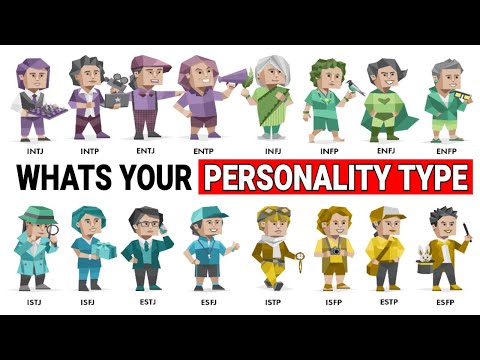
Hey! So, let’s chat about something that’s super interesting—personality temperaments. You know when you meet someone and you just click or, on the flip side, you feel like you’re speaking a different language?
Este blog ofrece contenido únicamente con fines informativos, educativos y de reflexión. La información publicada no constituye consejo médico, psicológico ni psiquiátrico, y no sustituye la evaluación, el diagnóstico, el tratamiento ni la orientación individual de un profesional debidamente acreditado. Si crees que puedes estar atravesando un problema psicológico o de salud, consulta cuanto antes con un profesional certificado antes de tomar cualquier decisión importante sobre tu bienestar. No te automediques ni inicies, suspendas o modifiques medicamentos, terapias o tratamientos por tu cuenta. Aunque intentamos que la información sea útil y precisa, no garantizamos que esté completa, actualizada o que sea adecuada. El uso de este contenido es bajo tu propia responsabilidad y su lectura no crea una relación profesional, clínica ni terapéutica con el autor o con este sitio web.
Yeah, that’s all about personality! There’s this cool idea that we all fit into four main temperaments. Each one kinda shapes how we think and act.
Imagine breaking it down like different flavors of ice cream. Some folks are sweet and creamy; others are bold and nutty. It’s wild how much our personalities influence our relationships and decisions.
So, let’s unpack this together! You might just find yourself or your friends in one of these categories—and it could change how you see them! Ready? Let’s go!
Understanding the Four Personality Temperaments: A Psychological Overview
So, let’s talk about the four personality temperaments. Now, this idea goes way back to ancient times, like *way* back. Think of it as a way to explain why people do what they do. Each temperament is linked to certain traits that influence how you interact with the world.
- Sanguine – These are your social butterflies. Sanguines are lively, warm, and enthusiastic. They crave excitement and attention. Imagine someone at a party who can light up the room with just their smile! They often make friends easily but can struggle with keeping commitments.
- Choleric – Cholerics are your go-getters. They’re ambitious, strong-willed, and love taking charge. Think of them as leaders who see a goal and won’t stop until they get there. You know that friend who always organizes the weekend plans? Yep, that’s a choleric!
- Melancholic – Now, melancholics are deep thinkers and feelers. They’re often analytical and sensitive, which means they appreciate beauty in detail—a sketch artist or a poet is likely to fall into this category. They care deeply about their relationships but can also be perfectionists.
- Phlegmatic – Lastly, we have phlegmatics—super chill people who bring calmness wherever they go. They’re easygoing and reliable but might avoid conflict at all costs. Imagine your laid-back buddy who’ll just nod along rather than start an argument… that’s them!
Now here’s something cool: these temperaments can mix! For instance, you might find someone who is primarily sanguine but has melancholic tendencies too—creating a really interesting personality blend.
Think about playing video games for a sec: you see characters with different skills representing various temperaments; maybe the charming bard (sanguine), the fearless warrior (choleric), the wise mage (melancholic), or the sturdy guardian (phlegmatic). Each one has strengths that contribute to the team’s success in different ways.
It’s important to remember that knowing your temperament—or others’—doesn’t *define* you completely; it just gives you insight into behaviors! Also, while this info can be super helpful for self-discovery or improving relationships with friends or family, it doesn’t replace seeking help from a professional if you’re struggling.
So there you have it! The four personality temperaments give us a fun lens through which to view ourselves and others. It makes sense when we think of how different we all are—and hey, isn’t that what makes life interesting?
Understanding the Four Temperaments Test: A Guide to Personality Types and Their Traits
So, let’s chat about the Four Temperaments Test, which is kind of a fun way to peek into our personalities. You know how sometimes you just click with certain people? Well, understanding your temperament can shed some light on why that happens. This idea dates back to ancient Greece and was popularized by a dude named Hippocrates. Let’s break down what this all means.
The Four Temperaments are basically four personality types: Sanguine, Choleric, Melancholic, and Phlegmatic. Each one has its own distinct traits.
- Sanguine: These folks are the life of the party! They’re super sociable and love being around others. Think extroverted. They often get excited about new experiences. An example could be a friend who organizes every outing or event. Their energy is contagious.
- Choleric: If you know someone who’s assertive and goal-oriented, they might just be Choleric. They have natural leadership qualities and can be quite decisive but sometimes come off as a bit bossy or impatient. Imagine that one friend in group projects who takes charge and makes sure everything gets done!
- Melancholic: These are your deep thinkers and feelers. They can be sensitive but also creative and detail-oriented. You might find them writing poetry or analyzing their feelings; they care deeply about things! It’s like having a friend who might get lost in their thoughts at times but can also offer profound insights.
- Phlegmatic: Picture someone calm and easy-going. That’s your Phlegmatic friend! They’re good listeners and tend to go with the flow, making them great peacemakers in any situation. You know those people who keep their cool even when chaos erupts? Yep, that’s them!
Now, figuring out which temperament resonates with you can help you understand your own behavior better—and maybe even improve your relationships!
So how do you use this info? Well, for instance, when playing games like Dungeons & Dragons (D&D), knowing each player’s temperament can shape how you approach teamwork within the game. Sanguine players will thrive on social interactions while Cholerics will push for strategic moves to win.
But remember: this isn’t a strict box to fit yourself into or an excuse for behavior that’s harmful or unhelpful! It just gives insights into ways of thinking and interacting with others.
Takeaways:
1. Each temperament has unique strengths.
2. It’s useful for enhancing communication.
3. Understanding these traits improves teamwork.
Just like everything in life—temperaments aren’t labels that define us completely; they give us a starting point to explore ourselves more deeply.
And hey, no personality test can replace professional help if you’re struggling with something heavier than personality quirks! But knowing about temperaments? That could lighten up some conversations at parties or help forge stronger connections with friends — so give it a try!
Understanding the 4 Temperaments: A Practical Guide to Personality Types
Sure thing! Let’s chat about the four temperaments. You know, it’s like finding a fun map to see how you and other people tick. These temperaments can offer insights into personality types, and they date back to ancient times. So, here’s the scoop!
- Choleric: This type is super driven and goal-oriented. Think of that friend who’s always getting things done! Cholerics can get a bit bossy or impatient, but they just want to make things happen. Ever played a game where you had to lead a team? That feeling of taking charge is classic choleric behavior.
- Sanguine: Oh man, if you know someone who lights up a room with their energy, chances are they’re sanguine. They are the life of the party! Sanguines are fun-loving, talkative and often get distracted easily. Picture your buddy who always has a new joke—this is them in action!
- Melancholic: Melancholics are deep thinkers and often sensitive. They feel emotions intensely and tend to be perfectionists too. They might be the ones lost in thought at a coffee shop or writing poetry late at night. If you’ve ever created something beautiful yet felt it wasn’t quite right, you might vibe with this temperament.
- Phlegmatic: This laid-back type goes with the flow. Phlegmatics are calm and reliable but can sometimes be indecisive or passive-aggressive when pushed too hard. Remember that chill friend who just wants everyone to get along? Yep, that’s a phlegmatic!
Understanding these four personalities helps you see why folks act the way they do—it makes interactions smoother! Maybe you’re debating with your choleric friend about where to eat dinner—knowing their temperament means you understand they want control over decision-making.
Here’s an emotional nugget—imagine having a fight with someone close to you and realizing later that their melancholic side made them feel deeply hurt by what was said; that insight can lead to empathy and resolution.
But don’t forget: while knowing these temperaments can help improve your relationships and self-awareness, it doesn’t replace talking it out with a mental health professional if things get tough.
All in all, diving into these temperaments isn’t about boxing people in; it’s more like having tools for better communication. Be open-minded! You might just learn something new about yourself or others around you!
You know, personalities are such a quirky thing. I mean, with all the different ways we react to situations or people, it can feel overwhelming sometimes. Just think back to that time you were at a party, and some folks were super energetic and chatty, while others seemed more reserved and thoughtful. It’s like we’re all wired differently.
So, let’s chat about the four personality temperaments: sanguine, choleric, melancholic, and phlegmatic. These types were talked about way back in ancient times—crazy to think they’re still relevant today! Each one has its own vibe.
Sanguines are basically the life of the party. Seriously! They’re fun-loving and social butterflies who thrive on interaction. I had this friend in high school who was totally a sanguine—always cracking jokes and organizing gatherings. You couldn’t help but laugh when you were around them.
Then there’s the choleric type—these folks are your go-getters! They love to lead and take charge of situations. Think about that person in group projects who always takes the reins. Sometimes I find myself wishing I had more choleric energy when it comes to tackling my own goals!
Now, melancholics tend to be deep thinkers and feelers. They’ve got that reflective side that makes them great artists or writers because they observe life with a keen eye for detail. I remember talking to one of my melancholic friends who could analyze every lyric of her favorite song—they just see the world differently!
Last but not least is the phlegmatic type—easy-going peacemakers who hate conflict and just want everyone to get along. You know those friends who bring calmness into hectic situations? Yeah… that’s them! One time during a family dinner gone awry, it was my phlegmatic cousin who diffused everything with a smile while cracking some dad jokes.
All these temperaments interact in such interesting ways! You might have noticed yourself fitting into several categories at once—that’s totally normal too! The key is recognizing these differences can help us understand ourselves better and improve our relationships with others.
In the end, knowing about these temperaments isn’t just some cool trivia; it’s really about embracing our unique colors in this crazy tapestry of life. So next time you find yourself face-to-face with someone whose personality clashes with yours, just remember: they might be acting from their own temperament perspective!