Have you ever found yourself just zoning out to some soothing music? Or maybe you’ve felt that rush when you hear the sound of waves crashing? It’s like something clicks in your brain, right?
Este blog ofrece contenido únicamente con fines informativos, educativos y de reflexión. La información publicada no constituye consejo médico, psicológico ni psiquiátrico, y no sustituye la evaluación, el diagnóstico, el tratamiento ni la orientación individual de un profesional debidamente acreditado. Si crees que puedes estar atravesando un problema psicológico o de salud, consulta cuanto antes con un profesional certificado antes de tomar cualquier decisión importante sobre tu bienestar. No te automediques ni inicies, suspendas o modifiques medicamentos, terapias o tratamientos por tu cuenta. Aunque intentamos que la información sea útil y precisa, no garantizamos que esté completa, actualizada o que sea adecuada. El uso de este contenido es bajo tu propia responsabilidad y su lectura no crea una relación profesional, clínica ni terapéutica con el autor o con este sitio web.
Well, sound healing meditation is kind of like that but turned up a notch. Imagine using sound intentionally—like a secret weapon for relaxation and wellness.
You can think of it as giving your mind a mini vacation. It’s not just about chilling out; it can help you feel more balanced and connected to yourself.
Whether you’re into singing bowls, nature sounds, or just your favorite tunes, sound has this crazy way of shifting your mood and energy. So, let’s explore how these vibes can actually boost your well-being!
Exploring the Impact of Sound Healing on Vertigo Symptoms
Sound healing is one of those fascinating areas that really gets people talking. It’s like, how can something as simple as sound help with vertigo? Well, let’s break it down a bit. Vertigo can feel like your world is spinning around you, and it’s not fun at all. Imagine being on a merry-go-round that just won’t stop!
Sound therapy uses specific frequencies and vibrations to promote relaxation and healing. Think of sounds like singing bowls or tuning forks. These aren’t just pretty noises; they can actually resonate with your body in unique ways.
So, here’s where it gets interesting: studies have shown that certain sounds might help calm the nervous system, which could be beneficial for those dealing with vertigo symptoms. The idea is that by soothing your mind through sound, you’re also easing the physical discomfort that comes with vertigo.
Let’s talk about how sound healing might work for something like vertigo:
- Relaxation Response: Listening to calming sounds can trigger a relaxation response in your body. This might help reduce anxiety and tension, which often accompany feelings of dizziness.
- Balance Improvement: Some sound frequencies may stimulate areas of the brain involved in balance. This could potentially improve your body’s coordination over time.
- Mindfulness Practice: Sound therapy often goes hand in hand with meditation practices. Focusing on the sound allows you to be present, pulling your attention away from unsettling symptoms.
There’s this super cool example from a therapist who used gongs during sessions for patients experiencing vertigo. Patients reported feeling more grounded afterward and experienced fewer dizzy spells! That’s pretty remarkable if you ask me.
But let’s keep it real—this isn’t a replacement for professional help or treatment! If you’re dealing with chronic vertigo, you definitely should talk to a healthcare provider first before jumping into any alternative therapies.
To wrap things up, sound healing looks promising as a complementary option to manage vertigo symptoms by promoting relaxation and possibly enhancing balance awareness through mindfulness practices and specific sound frequencies. Just remember—balance starts from within but doesn’t replace good old-fashioned medical advice when needed!
Exploring Sound Baths for People with Epilepsy: Safety, Benefits, and Considerations
Sound baths are pretty interesting, especially when you think about how they might help people with epilepsy. It’s all about that soothing sound, right? But before diving in, let’s chat about safety, benefits, and what to consider if you or someone you know is thinking of trying one.
What is a Sound Bath?
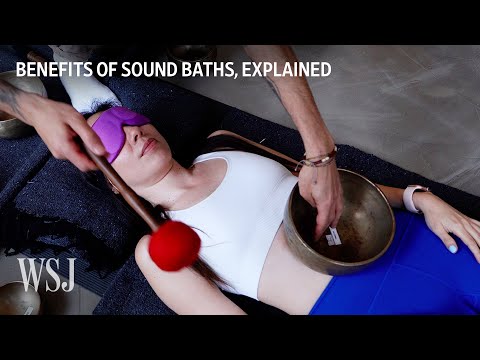
Basically, a sound bath is a meditative experience where you listen to different sounds from instruments like gongs, singing bowls, or chimes. The idea is to relax and find some inner peace while the sounds wash over you. Many folks feel like it’s almost like floating in a sea of vibrations. But for people with epilepsy, we gotta be cautious.
Safety First
If you have epilepsy or know someone who does, it’s crucial to talk to a healthcare professional before trying sound baths. Each person’s experience with epilepsy can be so unique! Some sounds might trigger reactions in certain individuals. Here are some things to keep in mind:
- Know Your Triggers: If flashing lights or specific frequencies trigger seizures for you, make sure the session avoids those.
- Choose the Right Environment: Look for calm spaces that are free from distractions and sudden loud noises.
- Have a Buddy: Attending with someone who knows your situation can provide support and comfort.
- Start Slow: Maybe try shorter sessions at first to see how your body reacts.
The Benefits
Despite the need for caution, sound baths could offer some benefits. It’s not just about relaxation; many people report feeling less anxious or stressed afterward. Here are a few perks:
- Mood Booster: Regular sound exposure can lift your spirits and help manage anxiety levels.
- Pain Relief: Some folks find that the soothing sounds help reduce pain perception.
- Sleep Improvement: If insomnia is an issue due to anxiety or stress, these relaxing sessions may help improve sleep quality.
So picture this: imagine lying down and feeling those smooth vibes envelop you like your favorite blanket after a long day—sounds nice right? But remember that everyone’s experience is different.
Anecdote Time!
A friend of mine has been diving into sound baths lately. She did her research since she occasionally has seizures but wanted something calming after stressful weeks at work. She found a local studio offering gentle sound sessions designed specifically for those with sensory sensitivities.
On her first visit, she brought along her partner just in case anything felt off. To her surprise (and relief), she left feeling refreshed! It was like hitting reset on her mental state without any triggers going off.
A Few Considerations
Before embracing sound baths as a healing method:
- No Replacement!: It’s essential to remember these experiences don’t replace professional treatment plans—never skip medication or therapy!
- Your Comfort Zone: If something doesn’t resonate with you during the session—like an unexpected loud noise—don’t hesitate to step out if needed.
- Pace Yourself: Everyone’s journey with epilepsy looks different; don’t compare yours to anyone else’s!
In summary, sound baths might offer some interesting avenues for relaxation and wellness if approached carefully! Just ensure you’re taking all necessary precautions and chatting it up with professionals who understand your unique needs. You got this!
Exploring the Effects of Sound Healing on Arthritis Pain Relief
Sound healing is one of those topics that gets people buzzing—well, at least the people who’ve tried it. You might be curious about how sound can actually help with something as tough as arthritis pain.
Arthritis can really mess with your day-to-day life. You know, it’s not just about that annoying stiffness in the morning; it’s the constant ache and fatigue that come along for the ride. That’s where sound healing comes into play, and while it sounds a bit out there, there’s some interesting stuff happening.
So, first things first: what exactly is sound healing? Well, it’s pretty much what it sounds like—using sound, whether it’s music, chanting, or instruments like singing bowls or gongs to promote relaxation and well-being. The idea is that different frequencies can resonate within our bodies and help reduce stress or even pain.
When you engage in sound healing meditation, the vibrations from those sounds may encourage relaxation and a sense of peace. This could be especially beneficial for people dealing with chronic pain from arthritis. Here are some key points to consider:
- Vibration therapy: Some studies suggest that certain vibrations may lead to increased circulation and reduced inflammation. Better blood flow equals less stiffness!
- Mood boost: Let’s face it; living with pain can zap your spirits. Sound has a way of uplifting you! Listening to calming music or nature sounds can improve mood perception.
- Deep relaxation: Sound mindfulness practices often bring you to a state of deep relaxation which might lower stress hormones associated with pain perception.
Imagine this: you’re lying on a mat in a dimly lit room while someone plays soothing Tibetan singing bowls nearby. The sound waves wash over you like gentle waves at the beach. You might not notice immediate relief from your arthritic flare-up right then and there—but over time? People have reported tolerating their pain better after regular sessions.
It’s not magic, though! It doesn’t replace professional treatment—not by any stretch! Think of it like adding another tool to your pain management toolbox alongside medication or physical therapy.
Now, don’t just take my word for it! Research has started looking into this too. A couple of studies have found that participants experienced reductions in pain after engaging in sound therapy sessions over several weeks. Remember, results can vary widely based on individual circumstances.
Lastly, if you’re thinking about trying out sound healing for arthritis relief—which hey, could be worth exploring—consider chatting with your healthcare provider first! They might even know local classes or resources where you can safely explore this type of therapy.
In short, while sound healing isn’t going to be everyone’s cup of tea (or bowl of soup?), its potential benefits could complement existing treatments in managing arthritis symptoms effectively! So why not give it a shot?
You know, we often think about meditation as just sitting in silence, trying to quiet our busy minds. But have you ever tried sound healing meditation? It’s a whole different vibe, and honestly, it can be quite transformative.
Imagine yourself lying comfortably on the floor with gentle sound waves wrapping around you like a cozy blanket. The first time I experienced it, I was a bit skeptical. It was at a small wellness retreat when someone brought out these amazing singing bowls. At first, I thought, «What’s the deal with this? A bunch of bowls? Really?» But then they started playing them. And wow! The vibrations really seemed to travel right through me—I could feel them in my chest and even my bones. It was like all the stress I’d been holding onto just melted away.
So what’s going on here? Well, sound healing uses different frequencies and sounds to help shift your energy and promote relaxation. Think of those soothing tones as little helpers for your mind and body; they can encourage you to let go of negative energy or anxiety you didn’t even realize you were carrying around.
And if you’re thinking that it’s all about some mysterious vibes or woo-woo stuff, let me assure you there’s science behind it too! Certain sounds can activate parts of our brain that encourage emotional release and even stimulate the parasympathetic nervous system—the one responsible for relaxation.
I mean, if you’ve listened to some calming music while working or studying, you’ve probably noticed how it changes your mood or focus. That’s kind of similar but more focused on deep relaxation and healing.
The beauty of sound healing is that there are no strict rules. You can blend it with traditional meditation techniques or just lie back and let the vibrations wash over you—whatever feels right! Some people even light candles or use essential oils to enhance the experience.
All in all, if you’re feeling overwhelmed by life’s chaos—which let’s be real; we all can from time to time—consider giving sound healing a shot. It might just surprise you how powerful something as simple as sound can truly be for your well-being.
So next time you’re looking for a little peace in your day-to-day madness, maybe try tuning into some soothing sounds. You never know what kind of magical shift may happen within you!