Hey you! Let’s chat about something super simple that can totally change your day. Ever felt like your brain is just a jumbled mess? Yeah, we’ve all been there.
Este blog ofrece contenido únicamente con fines informativos, educativos y de reflexión. La información publicada no constituye consejo médico, psicológico ni psiquiátrico, y no sustituye la evaluación, el diagnóstico, el tratamiento ni la orientación individual de un profesional debidamente acreditado. Si crees que puedes estar atravesando un problema psicológico o de salud, consulta cuanto antes con un profesional certificado antes de tomar cualquier decisión importante sobre tu bienestar. No te automediques ni inicies, suspendas o modifiques medicamentos, terapias o tratamientos por tu cuenta. Aunque intentamos que la información sea útil y precisa, no garantizamos que esté completa, actualizada o que sea adecuada. El uso de este contenido es bajo tu propia responsabilidad y su lectura no crea una relación profesional, clínica ni terapéutica con el autor o con este sitio web.
Picture this: You wake up, and the to-do list is already buzzing around in your head. It’s overwhelming, right? Well, here’s where short meditations jump in like your favorite superhero.
Just a few minutes of focused breathing can create this magical space in your mind. Seriously, it’s like hitting the refresh button on life! And trust me, you don’t need to sit cross-legged on a mountain top to benefit from it.
Wanna find out how these little moments of calm can tune you back into clarity and focus? Let’s dive into this together!
Exploring the Benefits of Short Meditation for Mental Clarity and Stress Relief
Alright, let’s chat about short meditation. You know, those little moments of peace that can totally boost your mental clarity and help you deal with stress? Seriously, even a few minutes here and there can make a difference.
First off, short meditation is like a quick reset button for your brain. When you’re feeling overwhelmed or scattered, just taking five minutes to breathe deeply can help clear the mental fog. Imagine trying to play Tetris but all the blocks are flying at you way too fast. A little break to breathe can help you focus better on where those pieces fit!
- Mental Clarity: When you’re meditating, you’re training your brain to focus on the present. This helps filter out all that noise in your head—like worries about tomorrow or that embarrassing thing you did last week.
- Stress Relief: Short meditation techniques often involve breathing exercises. By deepening your breath, you’re sending a signal to your body that it’s time to chill out. It’s kind of like giving yourself a hug from the inside!
- Boosts Emotional Health: Regular practice can increase self-awareness and promote emotional health. You might find yourself reacting more calmly in stressful situations or having a generally sunnier outlook.
- Improved Focus: Just like leveling up in a game, consistent short meditation can enhance your ability to concentrate on tasks at hand. This means fewer distractions when you’re trying to get stuff done.
Let me tell you about this one time I was facing a mountain of deadlines at work. I felt like my thoughts were racing everywhere! So I decided to take just three minutes for myself—nothing fancy, just some quiet breathing and letting go of my worries for a bit. Afterward, I felt surprisingly clear-headed and ready tackle my tasks one by one.
You might be thinking: “Okay, but is it really effective?” Well, numerous studies have shown that even brief periods of mindfulness practice lead to significant reductions in stress levels and improvements in overall well-being. Plus, it doesn’t have to be complicated—just sit comfortably wherever you are and focus on your breath!
If you’re worrying about fitting this into your busy schedule—don’t! Just remember that even moments spent waiting for an appointment or drinking coffee can be turned into mini-meditation sessions. Just close your eyes, breathe deeply, and center yourself for a moment.
The takeaway here? Short meditation is like finding those game power-ups that give you an extra boost when things get tough. They don’t replace professional help if you’re struggling with serious issues; they complement it beautifully by giving you tools for everyday stress.
In the end, incorporating these tiny breaks into your day could really change how effectively you handle life’s challenges—so why not give it a shot? You might end up feeling clearer and lighter than ever!
Exploring the Benefits of Meditation for Managing Dysautonomia Symptoms
Meditation is one of those practices that sounds simple but can truly make waves in how we feel. If you’re grappling with dysautonomia—like, when your body doesn’t play nice with things like heart rate and digestion—meditation can be a real game changer. Seriously, it’s like giving your mind a cozy blanket and telling it to chill out for a bit.
What is Meditation?
So, meditation is basically sitting quietly and focusing your mind. You can concentrate on your breath, repeat a calming phrase, or even visualize a peaceful scene. Think of it like leveling up your mental skills in a video game! Each session can help you build clearer focus and emotional resilience.
How Can Meditation Help Dysautonomia?
Dysautonomia brings all sorts of symptoms. You might feel dizzy or fatigued or have trouble regulating temperature. Here’s where meditation comes into play—it helps manage stress levels. And since stress can make those symptoms worse, finding calm through meditation becomes super important.
- Reduces Stress: Stress triggers the fight-or-flight response, which isn’t great for anyone dealing with dysautonomia.
- Improves Focus: A simple few minutes meditating daily can sharpen your concentration skills.
- Aids Relaxation: By practicing regularly, you’re teaching your body to respond better to anxiety and tension.
Let’s talk about my buddy Sam. He used to feel overwhelmed by his dysautonomia symptoms—heart racing during small tasks or feeling faint at unexpected moments. One day he decided to try meditating for just ten minutes each morning. At first, it felt silly; he was just sitting there! But after about two weeks? Wow! He noticed he could tackle daily challenges without the same level of panic.
The Science Behind It
Here’s where it gets interesting: studies indicate that meditation can actually change brain structures over time! Yup, you read that right. Regular practice has been linked to increased gray matter in areas responsible for emotion regulation and attention control.
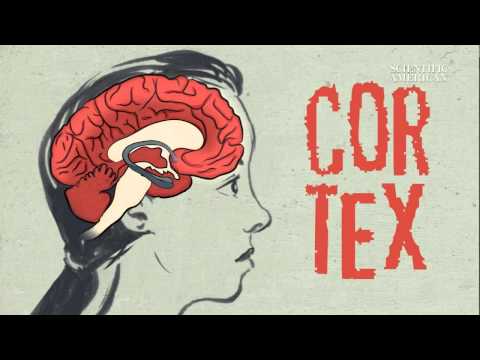
- The Amygdala: This part processes emotions like fear and stress. Meditation may help calm this area down.
- The Prefrontal Cortex: Involved in decision-making and focus; more gray matter here means better control over our reactions.
Now, don’t get me wrong—meditation isn’t some magic cure-all for dysautonomia or anything like that. It won’t replace professional advice or treatment plans from healthcare providers who know their stuff! But consider it an awesome tool in your toolbox for managing symptoms.
In the end, whether you’re new to meditation or revisiting it, remember: be patient with yourself! Just like learning any new skill or leveling up in a game takes practice (maybe a ton of retries), so does meditating effectively. And who knows? You might just find that little moments of calm become powerful allies in navigating life with dysautonomia.
So next time you’re feeling overwhelmed by symptoms, maybe give meditation a shot? It could open up new pathways towards clarity and focus—and hey—we all could use more of that these days!
Discover the Top 5 Benefits of Daily 5-Minute Meditation for Mental Clarity and Well-Being
You know, life can get pretty hectic sometimes, right? Between juggling work, family, and everything in between, our minds can feel like they’re running a marathon! And that’s where daily meditation comes in. Just five minutes a day might be all you need to enhance your mental clarity and well-being. Let’s break down the benefits together!
- Increased Focus: Ever find yourself staring at a wall while thinking about your to-do list? Meditation helps train your mind to concentrate better. Giving yourself those five quiet minutes allows you to reset and sharpen your focus. It’s like leveling up in a game; the more you practice, the better you get!
- Reduced Stress: If stress were an Olympic sport, many of us would be gold medalists! Meditating daily can actually reduce stress levels over time. When you pause for those few minutes to breathe deeply and clear your mind, it’s like giving your brain a mini vacation from worries.
- Improved Emotional Health: Taking time to meditate can really boost your mood. It can help decrease anxiety and even symptoms of depression for some people. When I started meditating regularly, I noticed I was less irritable during my mornings—my coffee became more enjoyable because my mind was clearer!
- Better Self-Awareness: Just five minutes of meditation helps you connect with yourself on a deeper level. You start understanding your thoughts and emotions without judgment. Imagine being able to step back during a stressful moment and think: “Okay, this is just temporary.” That little shift in perspective makes a big difference.
- Enhanced Creativity: Believe it or not, taking time out for meditation can spark creativity! When you clear out the mental clutter, new ideas can pop up more easily. It’s similar to how taking breaks during video games often leads players to discover new strategies or solutions—they come back refreshed and ready to tackle challenges.
It’s important to remember that while meditation has amazing benefits for mental clarity, it shouldn’t replace professional help if you’re dealing with serious mental health issues. Think of this practice as one tool in your toolbox for enhancing well-being.
If you’re feeling curious about trying it out—just find a quiet spot for five minutes today! Close your eyes, focus on your breath, let everything else fade away for just that short time… Sounds simple but trust me; it might just change the way you handle the chaos of everyday life!
Meditation, huh? It’s one of those things people talk about all the time. I used to think it was just for folks in flowing robes or maybe someone looking for spiritual enlightenment. But man, once I gave it a shot, I realized how much it can really help—especially when you’re trying to stay focused amidst all the chaos.
Picture this: You wake up feeling like your mind is a jumbled mess. You’ve got work tasks piling up, social obligations buzzing in your ear, and let’s not forget that never-ending stream of notifications on your phone. It’s overwhelming! Seriously, some days it feels like you’re trying to juggle flaming torches while riding a unicycle on a tightrope. Crazy, right?
That’s where short meditation swoops in like a superhero. Just ten minutes of sitting quietly with my thoughts—or sometimes without them—makes such a difference! You know what I mean? Your mind starts to clear, and suddenly you can actually think straight again. It helps ground me. I can tackle my day with so much more clarity than when I’m just constantly chasing after tasks.
I remember this one day in particular. I was stressed out about an upcoming project deadline and felt like I was in a fog. So, instead of just pushing through—because that never works—I closed my eyes for about five minutes in my living room. My thoughts were racing at first, but as I focused on my breath, everything started to slow down… and wow! It was like someone lifted the fog curtain for me. When I opened my eyes again, I felt lighter and way more focused.
The benefits don’t stop there either! Besides clarity, short meditation helps improve your attention span. It’s almost like working out your brain muscles—small bursts lead to big gains over time! You’ll find yourself getting lost less often during conversations or while reading that book you’ve been meaning to finish.
But here’s the kicker: meditation is also a great mood booster! Those few moments of stillness allow you to reconnect with yourself—reminding you that you’ve got this whole thing called life under control (or at least somewhat). Plus, it helps reduce anxiety which can be such a relief when life gets overwhelming.
So if you’re buzzing around feeling frazzled or distracted (and who hasn’t?), seriously consider giving even just five minutes of meditation a shot each day. The simplicity is beautiful: no special equipment needed—just you and your breath! In the end, that bit of calm can be what sets the tone for your whole day—and who doesn’t want that kind of clarity?