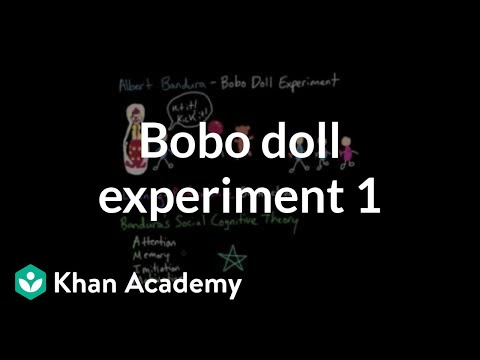
Hey friend, ever noticed how you pick up stuff just by watching others? It’s wild, right? That’s basically what observational learning is all about.
Este blog ofrece contenido únicamente con fines informativos, educativos y de reflexión. La información publicada no constituye consejo médico, psicológico ni psiquiátrico, y no sustituye la evaluación, el diagnóstico, el tratamiento ni la orientación individual de un profesional debidamente acreditado. Si crees que puedes estar atravesando un problema psicológico o de salud, consulta cuanto antes con un profesional certificado antes de tomar cualquier decisión importante sobre tu bienestar. No te automediques ni inicies, suspendas o modifiques medicamentos, terapias o tratamientos por tu cuenta. Aunque intentamos que la información sea útil y precisa, no garantizamos que esté completa, actualizada o que sea adecuada. El uso de este contenido es bajo tu propia responsabilidad y su lectura no crea una relación profesional, clínica ni terapéutica con el autor o con este sitio web.
You see someone do something, and next thing you know, you’re trying it too. Maybe it was your little sibling copying you or that scene from your favorite movie that inspired your epic dance moves. Fun times!
So, let’s dive into this cool theory. We’ll check out some principles and where it fits into real life. Trust me; there’s more to it than just mimicking what you see! You ready? Let’s go!
Exploring the Applications of Observational Learning in Education, Training, and Behavioral Development
Observational learning, huh? It’s one of those concepts that’s super relevant in our everyday lives. Basically, it’s the idea that you can learn by watching others. You know, like when you see a friend bake a cake and think, “Hey, I can do that too!” It’s not just kids at play; it happens all around us.
So let’s break this down a bit. Observational learning is based on a few key principles:
- Attention: You need to pay attention to what someone else is doing. If you’re distracted or not interested, you’re not gonna learn much.
- Retention: This is all about keeping the info in your head so you can use it later. Remembering what you’ve seen is key!
- Reproduction: Here’s where you try to replicate what you’ve observed. Like when you give that cake baking a shot after watching your friend.
- Motivation: If you’re not motivated to mimic what you’ve seen or think it’s worthwhile, why bother? This plays a huge role in whether or not you’ve actually learned something.
In an educational setting, observational learning can really shine. Imagine being in a classroom where the teacher demonstrates an experiment with cool chemistry reactions! Students are likely hanging onto every word and just waiting for their turn to try it themselves. It makes abstract concepts more concrete and easier to grasp.
Also, let’s talk about peer learning. You ever notice how sometimes you get more from your friends than from textbooks? That’s the power of observation at work! When students explain things to each other or work through problems together, they’re actively employing observational learning principles.
But it goes beyond just traditional classrooms. Think of training programs in businesses—new hires often watch experienced colleagues before jumping into tasks themselves. This kind of modeling helps them pick up essential skills quickly without needing lengthy manuals. Seriously, it’s effective because they see how things are done in real time.
You know what else? Video games have awesome implications for observational learning too! Have you ever watched someone play a game like «Fortnite»? You pick up strategies and shortcuts just by observing others play—like where to find the best loot or how to build structures faster than your opponent! It’s all about seeing others succeed (or fail) and adjusting your own gameplay accordingly.
Oh! And we can’t forget behavioral development here either. Kids often mimic behaviors they observe at home or on TV shows. For instance, if they see kindness rewarded in their favorite show—usually with some positive reinforcement—they might start imitating those behaviors because they want similar outcomes.
But remember: while observational learning can be super powerful, it’s important that we’re also aware of the content being modeled. Not everything we observe promotes positive outcomes! So being mindful of what we consume—whether it’s media or real life—is crucial.
In the end,
observational learning isn’t about replacing hands-on experience; instead, it’s like creating layers of understanding based on what we’ve seen first-hand or indirectly through others’ experiences—something valuable for education and personal growth alike! If you’re looking for deeper insights into behavior changes or educational approaches though, chatting with someone who specializes in these areas could really help clarify things even further!
Understanding the 4 Stages of Bandura’s Social Learning Theory: A Comprehensive Guide
Well, let’s talk about Bandura’s Social Learning Theory. This theory is all about how we learn from observing others. Basically, it suggests that people can learn new behaviors by watching others, rather than just through direct experience. The guy behind this theory, Albert Bandura, broke down the learning process into four main stages. Let’s get into them one by one.
1. Attention
The first stage is all about paying attention. You can’t learn something if you’re not focused on it. If you see someone perform a task—like a cool trick in skateboarding or a pro move in video games—you have to *really* watch what they do to pick it up. For instance, think about watching a friend play a new game. You’re probably more likely to master the controls if you pay super close attention to how they handle things.
2. Retention
Next up is retention, which means you need to remember what you observed. It’s kind of like taking mental notes after that skateboarding session or while playing alongside your buddy. Here’s where your brain plays a big role—if you can visualize what they did and keep it in your head, you’re already halfway there! Remember those epic moves? If you can replay them in your mind after seeing them once or twice, that’s retention at work.
3. Reproduction
Now comes reproduction; this is when you actually try out the behavior yourself. It’s like when you’ve been practicing that sick skateboard trick until it’s time to show off at the park! You might not nail it right away—it takes practice and sometimes some falls (ouch!). But those small tries help because you’re actively doing what you’ve seen.Now think of gaming again: trying out strategies or combos you’ve spotted during gameplay is a perfect example of reproduction.
4. Motivation
Finally, we have motivation—the secret sauce that makes you want to learn and try things out again! If you see that your buddy getting cheers for their awesome moves or achieving a high score in games, that boosts your desire to replicate their success too! Positive reinforcement plays into this; if the outcome of your actions feels rewarding (like landing that trick), you’ll be more motivated to keep practicing and improving.
So basically, Bandura’s model shows us how learning isn’t just about formal lessons but also happens all around us through observation and imitation of others’ behaviors.This approach can be applied in many areas—like education and even therapy—but always remember that we’re each unique learners and there are no one-size-fits-all solutions here.
If you’re curious about these stages in action but find yourself struggling with applying them personally or emotionally? Hey—you might want to chat with someone who knows their stuff professionally! They can offer tailored support specific to your situation while these insights work as general guidelines for how learning happens through social interactions.
Principles and Applications of Observational Learning Theory: A Comprehensive PDF Guide
Sure! Let’s talk about observational learning theory. It’s this cool idea that we can learn by watching others. Seriously, you see something happen, and then your brain kind of absorbs it, right? Like when you see a friend nail a new trick in a video game and you think, “Whoa, I wanna do that!” That’s you learning without even realizing it.
Observational Learning Basics
So, here are a few key points to keep in mind:
- Modeling: This is when someone shows you how to do something. Think of it like watching your buddy perform a sick move in FIFA.
- Attention: You need to pay attention! If you’re scrolling while someone’s teaching you how to bake cookies—guess what—you might miss out on some key techniques.
- Retention: To learn from observation, you’ve got to remember what you’ve seen. You may need to practice that trick a couple of times before it sticks!
- Reproduction: This is where the fun happens—actually doing what you’ve learned. Just like trying to imitate that crazy combo move someone pulled off.
- Motivation: Lastly, if you’re not motivated to learn something new or take risks, well… you probably won’t bother trying it at all.
The Four Processes
The theory breaks down into four main processes:
1. **Attention**: You’ve gotta be paying attention to the model. Imagine you’re watching an expert gamer stream their gameplay. Are you glued to the screen? That’s crucial!
2. **Retention**: Now that you’re focused, it’s time for your brain to store this info away. Maybe jot down notes on those strategies they used or replay parts of the stream.
3. **Reproduction**: Here comes the hard part! You try out that strategy yourself in your next game session. Maybe you flubbed it at first but seeing how they did it gives you confidence.
4. **Motivation**: Finally, if seeing them succeed makes you want to try harder or keep practicing? That’s motivation kicking in!
Real-Life Applications
Observational learning has many real-world applications too:
- Tutoring: When teachers model skills—like reading aloud—it helps students pick up techniques quickly.
- Coping Mechanisms: Watching others manage stress or anxiety can help someone develop their own coping strategies.
- Cultural Learning: We observe traditions or social behaviors from family and friends; that’s how culture is passed down!
And let me tell ya—a personal story: I remember watching my older cousin play guitar when I was young; he made it look so easy! I would sit there strumming my air guitar and trying to mimic his moves until I eventually picked up a real one myself.
You Are Not Alone!
If any of this resonates with you but feels confusing or overwhelming—don’t beat yourself up! Observational learning isn’t perfect for everyone; some folks might need more hands-on practice or guidance from teachers and mentors.
This information doesn’t replace professional help if you’re struggling with learning challenges or anything mental health-related. It’s always best reach out for support when needed!
All in all, observational learning is like this sneak peek into skill acquisition—it’s everywhere around us! So next time while gaming or hanging out with friends, take a moment notice what you’re absorbing just by watching—and who knows? You might be picking up some killer skills without even trying!
You know, observational learning is one of those concepts that really makes you think about how we all pick up behaviors just by watching others. It’s like when you see a friend try something new and nail it, and suddenly you’re inspired to give it a go too. I mean, think about the last time you watched someone do something cool—maybe it was cooking a fancy dish or busting out some crazy dance moves. You probably felt a little spark inside, like, “If they can do it, so can I!”
So, observational learning, at its core, is this theory proposed by Albert Bandura. He suggested that we learn not just through direct experience but also by observing others. It’s kind of a two-way street. There’s this concept called modeling—basically, we see someone behave in a certain way and we mimic them. And there’s this whole process involved: attention to the behavior, retention of what we’ve observed, reproduction of the behavior later on, and then motivation to actually carry it through.
I remember this one time when I was trying to learn to skateboard. I was really nervous at first because all my friends were zooming around like pros while I was just standing there like a deer in headlights. But then I saw my buddy wipe out spectacularly trying to do an ollie. Instead of scaring me away from trying it myself, he got back up and showed us how it’s done again—and hey? Eventually I got the hang of it too!
That situation illustrated a bunch of observational learning principles right there: attention (I paid attention to his attempt), retention (I remembered his tips), and reproduction (eventually tried it myself). Motivational factors also played into the equation—I didn’t wanna look lame in front of my friends!
It’s amazing how this theory has applications spanning everything from education to therapy. Teachers can use observational learning by demonstrating concepts instead of just lecturing about them—you know? Like showing kids how to solve math problems step-by-step instead of simply telling them how! In therapy settings, clients can benefit from seeing coping mechanisms demonstrated by others facing similar challenges.
But here’s where things get kind of interesting: if we’re constantly absorbing behaviors from our environment—like scrolling through social media or binge-watching reality shows—it really makes you wonder what kind of behaviors we’re picking up without even realizing it! Wow!
All in all, observational learning reminds us that we’re always learning—not just from our own experiences but also from what others are doing around us. So next time you find yourself inspired after watching someone tackle something new or challenging? Just know there’s some serious psychology working behind the scenes!