So, let’s talk about something pretty cool: personalities. I mean, everyone’s got one, right? It’s like our unique stamp on the world.
But here’s the thing: have you ever thought about how we actually understand what makes us tick? Or why some people are super outgoing while others are more reserved?
Este blog ofrece contenido únicamente con fines informativos, educativos y de reflexión. La información publicada no constituye consejo médico, psicológico ni psiquiátrico, y no sustituye la evaluación, el diagnóstico, el tratamiento ni la orientación individual de un profesional debidamente acreditado. Si crees que puedes estar atravesando un problema psicológico o de salud, consulta cuanto antes con un profesional certificado antes de tomar cualquier decisión importante sobre tu bienestar. No te automediques ni inicies, suspendas o modifiques medicamentos, terapias o tratamientos por tu cuenta. Aunque intentamos que la información sea útil y precisa, no garantizamos que esté completa, actualizada o que sea adecuada. El uso de este contenido es bajo tu propia responsabilidad y su lectura no crea una relación profesional, clínica ni terapéutica con el autor o con este sitio web.
That’s where a personality database comes into play. Picture it – a treasure trove of data about how we think, feel, and act. Sounds interesting, huh?
When we gather all that info, it opens up a whole new world for research. We can start to see patterns and connections that help explain our quirky human nature!
Stick around as we explore what it takes to build this database and why it matters for understanding each other better. Seriously, you won’t want to miss this!
Exploring the 4 Key Types of Personality Data: Understanding Psychological Insights
There’s a whole world of personality data out there, and it can get pretty dense. But don’t worry, I’m here to break it down for you! When we talk about personality data, we’re usually looking at four key types that researchers dig into. These insights can really help us get a clearer picture of who we are and why we act the way we do.
1. Self-Report Data: This is all about you telling us what you think about yourself. It could be through questionnaires or surveys where you answer questions like, “How extroverted are you?” or “Do you often feel anxious?” One classic example is the Myers-Briggs Type Indicator (MBTI). You might find yourself excited to learn your type, but remember, it’s just one piece of the puzzle. Your own view can be biased—you might think you’re super social when your friends see a different side!
2. Observer-Report Data: This type relies on others’ perspectives on your personality. Think of it as asking your best friend or family member how they see you. Sometimes they catch things that you might miss because—let’s face it—you could have blind spots about yourself! A great example is when friends point out that you always crack jokes in stressful situations while you never noticed until they mentioned it.
3. Behavioral Data: Here’s where things get interesting! Researchers observe how people actually act in various situations rather than relying solely on self-reporting or feedback from others. Imagine playing a game where teamwork is key—how do players respond under pressure? Those behaviors reveal something deep about their personalities! Plus, with technology today, this kind of data is easier than ever to collect through apps and gaming platforms.
4. Biological Data: This one dives into the science of it all—stuff like genetics and brain activity. It’s not just theory; there are studies linking certain traits with biological factors like neurotransmitter levels or even specific genes! For instance, people who have high levels of serotonin might be generally happier. Fascinating stuff!
Now that we’ve unpacked those concepts a bit, the big takeaway here is that no single type gives a complete picture on its own—each one contributes to building a more comprehensive personality database for research purposes!
When looking at all these data types together, researchers can better understand human behavior and identify patterns across different contexts. But remember: while these insights can be helpful in understanding ourselves and others, they don’t replace professional advice when needed.
In the end, each person’s personality is complex and influenced by many factors! So keep exploring; there’s always more to discover about yourself and this wild thing called human nature!
Understanding Big Five Cluster Analysis: A Comprehensive Guide to Personality Traits
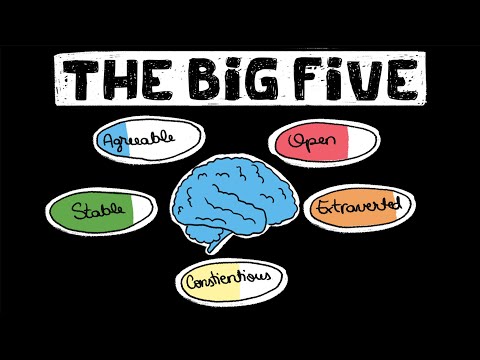
The Big Five personality traits are a big deal in psychology. This model breaks down our personalities into five core dimensions: openness, conscientiousness, extraversion, agreeableness, and neuroticism. These traits help researchers understand our behaviors, motivations, and how we interact with others.
Openness is all about how open-minded you are. If you’re someone who loves new experiences or ideas, you probably score high here. Think of it like exploring a new video game world—some people dive in headfirst, while others might stick to familiar levels.
Conscientiousness refers to your level of organization and dependability. High scorers tend to be planners and detail-oriented folks. Picture your friend who’s always on top of their homework and keeps a color-coded schedule—yeah, that’s conscientiousness in action!
Extraversion measures how outgoing or reserved you are. Extroverts thrive on social interaction; they love being the life of the party! On the other hand, introverts recharge by spending time alone. Let’s say you’re playing an online multiplayer game—do you rush to chat with teammates or prefer strategizing silently? That’s a hint about your extraversion level.
Next up is agreeableness. This trait looks at how compassionate and cooperative you are versus being competitive or challenging. Someone high in agreeableness often goes out of their way to help others—or in gaming terms, they might always be the first to lend a hand during tough boss fights.
Lastly, we have neuroticism. This measures emotional stability. If you’re prone to anxiety or mood swings, you’ll likely score higher here. Have you ever felt super stressed right before an important deadline? Yup, that’s neuroticism showing its head.
Now let’s talk about cluster analysis for these traits when creating a comprehensive personality data base for research purposes. Cluster analysis groups individuals based on their scores across these Big Five dimensions, allowing researchers to find patterns or types within personality traits.
For example:
- Cluster One: People who score high on openness and extraversion might be adventurous social butterflies.
- Cluster Two: Individuals with high conscientiousness but lower extraversion could be reliable introverted planners.
- Cluster Three: A group that scores low in agreeableness but high in openness may lean towards being independent thinkers who aren’t afraid of conflict.
Building this comprehensive database allows researchers to understand broader trends within populations. It can also spotlight how different combinations of these traits can affect things like job performance or relationship satisfaction.
But remember: while understanding personality through the Big Five model is super useful for research or self-discovery, it doesn’t replace professional psychological help if you’re struggling with deeper issues. Look out for your mental health—classic advice that holds true!
Evaluating the Accuracy of the MBTI Database: Insights and Implications
When talking about the Myers-Briggs Type Indicator (MBTI), it’s like opening a can of worms. Some folks swear by it, while others just roll their eyes. But hey, let’s break it down and look at the accuracy of the MBTI database and what that means for research.
The MBTI is based on Carl Jung’s theories about personality types. It categorizes people into 16 different types using four dichotomies:
- Introversion (I) vs. Extraversion (E)
- Sensing (S) vs. Intuition (N)
- Thinking (T) vs. Feeling (F)
- Judging (J) vs. Perceiving (P)
This leads to combinations like INFP or ESTJ, which can feel like your personal superhero identity! But with such a fun framework comes a need for serious scrutiny—like, is this stuff actually reliable?
Research shows that while many people find it useful for understanding themselves and their relationships, the scientific rigor behind MBTI isn’t as rock-solid as you might hope. One main issue? The reliability of re-test results can vary widely; people often get different results when they take the test multiple times!
You might think you’re an ENFP one day and then discover you’re a different type altogether after some time has passed. It’s kinda like trying to pick your favorite video game—sometimes your mood just changes it all, right?
Another concern is validity. Validity refers to whether the test actually measures what it claims to measure. A lot of psychologists argue that MBTI doesn’t predict job performance or compatibility in relationships very well—which kinda defeats its purpose if you ask me.
Certainly, having a personality database can help build broader insights into human behavior; this is where every tiny bit counts! But researchers have noted that we need more rigorous data collection methods and larger sample sizes to make any real conclusions.
A good example comes from video games again—think about games like “The Sims.” Players often choose characteristics based on experience rather than strict data evaluations because characters evolve through playtime. The same applies here; personality isn’t always set in stone but shifts based on environments and experiences.
The implications of a thorough personality database are significant, though! Having better data could lead to more effective tools in psychology, workplace efficiency enhancements, or even improving team dynamics within organizations.
If you’re thinking about using MBTI in personal development or work settings, chill out! Just remember it’s one tool among many—like picking snacks from a vending machine—you don’t just grab anything without checking what’s inside!
No matter how tempting those categorizations are—or helpful during team-building retreats—they shouldn’t replace ongoing professional guidance or deeper psychological evaluations.
In summary: While the MBTI has its fans and uses in casual settings, its accuracy as a robust scientific tool leaves much to be desired! Keep that in mind when exploring personality frameworks along with all their colorful combinations.
When I think about building a comprehensive personality database for research, I can’t help but feel a bit overwhelmed yet excited at the same time. You know? We’re diving into the essence of what makes people tick, which is both fascinating and daunting.
Imagine trying to capture all those little quirks that make each of us unique. It’s like trying to take a snapshot of an ever-changing landscape. You’re not just looking at the mountains and rivers; you’re also considering the weather, the seasons, and even the critters running around. The idea that we could create a detailed map of personality traits opens up so many possibilities for understanding behavior!
I remember when I first got into psychology; I’d sit in classes and hear about different personality theories. I was genuinely captivated! The idea that giants like Freud or Jung tried to decode human behavior was thrilling, but let’s be honest—sometimes it felt like they were speaking another language! Fast forward to now, and we have tools that can help us gather data on personalities in ways those pioneers could only dream of.
But here’s where it gets tricky. How do you ensure that this database truly reflects the diversity of human experience? Seriously! People from different backgrounds—with different cultures, values, and life experiences—may express their personalities in totally different ways. If you’re not careful, you might end up missing crucial pieces of the puzzle.
And then there’s ethics. It’s always lurking in the background like a shadowy figure at a party—you know it’s there but sometimes forget until it’s too late! Collecting personal information comes with responsibilities. Researchers need to be transparent about how they gather data and how it’ll be used. You can’t just toss around everyone’s quirks without care.
In my mind, building this kind of database isn’t just about numbers or trends—it’s about creating something that helps us connect better as humans. Imagine if researchers could pull insights from this massive pool of data to improve mental health treatments or even enhance workplace dynamics! Talk about life-changing stuff!
All things considered, creating a comprehensive personality database requires blending science with compassion. As we navigate this journey, we need to remember that behind every data point is a real person with thoughts and feelings—people who deserve dignity and respect while helping us understand humanity as a whole.
So yeah, it’s an exciting frontier! But hey, let’s bring our A-game in terms of ethics and inclusivity because at the end of the day, it’s all about making sense of who we are together—not just as isolated individuals but as part of this beautiful tapestry called life!