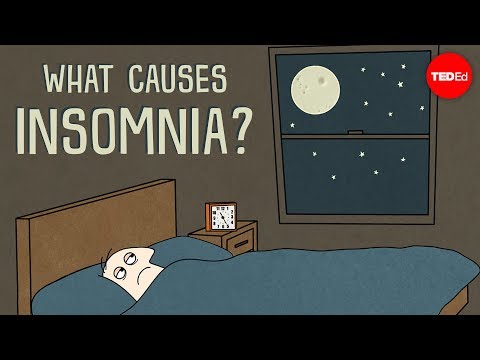
Hey, you! So, I gotta ask—ever find yourself staring at the ceiling at 3 a.m.? Like, seriously, why is sleep so elusive sometimes? You’re not alone.
Este blog ofrece contenido únicamente con fines informativos, educativos y de reflexión. La información publicada no constituye consejo médico, psicológico ni psiquiátrico, y no sustituye la evaluación, el diagnóstico, el tratamiento ni la orientación individual de un profesional debidamente acreditado. Si crees que puedes estar atravesando un problema psicológico o de salud, consulta cuanto antes con un profesional certificado antes de tomar cualquier decisión importante sobre tu bienestar. No te automediques ni inicies, suspendas o modifiques medicamentos, terapias o tratamientos por tu cuenta. Aunque intentamos que la información sea útil y precisa, no garantizamos que esté completa, actualizada o que sea adecuada. El uso de este contenido es bajo tu propia responsabilidad y su lectura no crea una relación profesional, clínica ni terapéutica con el autor o con este sitio web.
Insomnia hits hard for so many of us. It’s those sleepless nights that just drag on and on. And the next day? Ugh, it’s like walking through molasses.
But guess what? There are ways to tackle it! So let’s chat about those struggles and, hey, maybe even find some solutions together. Sound good?
Effective Strategies to Cope with Insomnia: Practical Tips for Better Sleep
Insomnia can be a real struggle, and dealing with sleepless nights isn’t easy. You’re tossing and turning, staring at the clock, and feeling like the world is moving on without you. So what can you do? Here are some effective strategies to help you cope with insomnia.
Establish a sleep routine. Your body loves consistency. Going to bed and waking up at the same time every day helps train your internal clock. Try sticking to this schedule, even on weekends. It might feel tough at first, but your body will thank you later.
Create a relaxing bedtime ritual. This could include things like reading a book, taking a warm bath, or practicing deep breathing exercises. Maybe even play a calming game that requires focus without being overly stimulating—like solving puzzles or playing solitaire. The goal is to wind down before hitting the hay.
Limit screen time before sleeping. That’s right! Your phone or computer might be your best friend during the day, but they can mess with your sleep patterns at night. The blue light emitted by screens can confuse your brain about when it’s time to sleep. Try setting aside devices for at least an hour before bed.
Create a sleep-friendly environment. Make your bedroom a sanctuary for sleep: keep it cool, dark, and quiet. Blackout curtains can really help when you want to block out the sun in the morning—shut off distractions as much as possible. Seriously—how often do we really need those notifications while trying to catch some Zs?
Avoid stimulants! Caffeine isn’t just for coffee lovers; it sneaks into all sorts of things like soda and chocolate too! If you notice trouble snoozing after indulging in that stuff later in the day, try cutting back on caffeine in the afternoons or evenings.
Watch what you eat. Heavy meals right before bed are no bueno for good sleep either. If you’re feeling hungry before sleeping, try light snacks like yogurt or an apple—it’s all about balance!
You know what? Journaling might also help by getting those racing thoughts out of your head and onto paper. Write down your worries or things you’re grateful for. This simple act could clear your mind enough to drift off.
And here’s an important one: If insomnia persists, don’t hesitate to reach out for professional help. Sometimes these struggles need more than DIY solutions; therapy, medication, or other treatments may be necessary and there’s nothing wrong with seeking that support.
All in all, insomnia doesn’t have to rule your life forever! With a few adjustments and some patience—you might just find yourself falling asleep faster than before!
Understanding the 3-3-3 Rule for Managing Insomnia: A Practical Guide
Insomnia can feel like an endless cycle of tossing and turning. So many people struggle with those sleepless nights, right? Luckily, there are different strategies to help manage it, and one of them is the **3-3-3 rule**. Let’s unravel this a bit.
What is the 3-3-3 Rule?
The 3-3-3 rule isn’t some magic trick; instead, it’s a practical guide to help you reset your mind when sleep escapes you. It’s all about grounding yourself through your senses and your surroundings. Here’s how it works:
- First 3: Look around you and name three things you can see. This could be anything from the lamp on your bedside table to a tree outside the window.
- Second 3: Then, listen carefully and identify three sounds you can hear. Maybe it’s the hum of a refrigerator or distant traffic.
- Last 3: Finally, focus on your body for three sensations. This might be feeling the softness of your sheets or the weight of your blanket.
Doing this helps redirect your focus away from racing thoughts that keep you awake. It brings you back to the present moment—kind of like hitting pause in a video game when things get chaotic!
A Simple Example
Imagine you’re lying in bed, staring at the ceiling, feeling frustrated because sleep won’t come. Instead of fretting about how tired you’ll be tomorrow (which doesn’t help at all), try this:
You look around and notice that picture frame on the wall, then spot your favorite book on the shelf next to it, followed by that really comfy chair in the corner.
Next, close your eyes for a sec. You might hear crickets chirping outside or maybe even someone chatting down the street.
Lastly, now pay attention to what you’re feeling: The cool breeze from an open window brushing against your face, or even just how snug you feel wrapped up in blankets.
The Goal
The main aim here? You’re trying to break that cycle of insomnia by gently reminding yourself where you are right now instead of where you’re worried about being later.
Tips for When You Try It
When using this method:
- Be patient with yourself; it might take time before something clicks.
- You can do this whenever those pesky worries start creeping in—on bad nights or even during particularly stressful days!
- If focusing on three things feels overwhelming some nights, adjust! Maybe start with just one thing from each category until it feels more manageable.
Remember though! While techniques like these can be helpful for managing insomnia symptoms at home, they aren’t substitutes for professional support if insomnia becomes chronic or significantly affects daily life.
It’s important to talk to someone who understands sleep disorders if sleepless nights become too frequent—you know? They can offer tailored advice that fits best with what challenges you’re facing.
So give this rule a shot next time sleep eludes you! It’s all about calming those busy thoughts while embracing small moments around you—because sometimes life’s little details can really change everything!
Effective Techniques to Cure Insomnia in Just 12 Minutes
Insomnia can feel like an exhausting battle. You know what I mean? Lying awake for hours while the rest of the world sleeps can drive anyone a bit mad. But there are some techniques that might help you drift off faster, and believe it or not, some of them can be done in just about 12 minutes. So let’s break it down.
1. Breathing Techniques
One super-effective method is deep breathing. Simply take a deep breath in through your nose for a count of four, hold it for four, and then exhale slowly through your mouth for six counts. The idea is to calm your nervous system, which can be revved up when you’re stressed or unable to sleep. Try it at night on those especially restless evenings!
2. Progressive Muscle Relaxation
This one’s all about tensing and then relaxing different muscle groups in your body. Start with your toes: tense them tightly for about five seconds, then release. Work your way up to your legs, stomach, arms, and finally your face. By focusing on relaxing each part of you physically, it’s like telling your brain it’s time to chill out too.
3. Visualization
Imagine a peaceful scene—maybe a quiet beach or the cozy corner of a library filled with books you love. Visualize every detail: the sound of waves crashing or the smell of old pages turning. This exercise can distract you from tossing thoughts that keep you awake.
4. The 4-7-8 Method
Developed by Dr. Andrew Weil, this method combines breathing techniques with mindfulness. You inhale for four seconds, hold for seven seconds, and then exhale slowly over eight seconds—that’s right! It’s designed to reduce anxiety and help you fall asleep quicker.
5. Meditation
Meditating doesn’t have to be complicated; even a few minutes will do wonders! Focus on your breath or use an app designed for sleep meditation if you need guidance—there are tons out there! Just let any distracting thoughts float away like clouds drifting across the sky.
And hey, don’t forget about a consistent sleep schedule. Going to bed and waking up at the same time every day helps regulate your body’s internal clock—even on weekends!
As we wind down here—remember that these techniques aren’t magic solutions but rather tools that might help ease insomnia’s grip on you from time to time—but they don’t replace professional advice if insomnia is really stealing all that sweet slumber from you.
So give these methods a go when you’re grappling with sleepless nights; who knows? You might find yourself nodding off faster than you’d think!
You know, there’s something about those long, restless nights that just seem to stretch on forever. I mean, you might lay there tossing and turning, staring at the ceiling like it holds all the answers to life’s biggest mysteries. I’ve been there. And it can really mess with your head, right?
For me, insomnia crept in during a particularly stressful period at work. Deadlines were piling up, and my mind was racing a mile a minute. It felt like my thoughts had formed a marching band with no intention of stopping! I’d be counting sheep for hours but the only tunes playing in my brain were those nagging worries.
So the struggle is real. Insomnia isn’t just about not sleeping; it’s how that lack of sleep impacts everything else—the foggy brain during the day, grumpiness that makes others question your sanity, and let’s not forget those dark circles under your eyes, right? Seriously, you find yourself reaching for coffee like it’s oxygen!
There are some solutions floating around that are worth giving a shot. For instance, establishing a bedtime routine can signal to your body when it’s time to wind down—like turning off screens an hour before bed. You could also try a warm bath or some gentle stretches to calm down your nervous system. Yeah, it sounds super chill; but honestly? Sometimes we need that kind of downtime.
Another trick? Journaling before bed! Just emptying out all those swirling thoughts onto paper can give your mind permission to relax as if it’s saying “Yeah, we’ll tackle this tomorrow.” But hey—don’t fret if nothing seems to work right away! It takes time to find what fits you best.
And while trying these things is great and all, remember: insomnia isn’t just physical; it’s emotional too. It’s totally okay to reach out for support or talk about what you’re feeling. Sometimes sharing is half the battle won—just having someone listen can feel like such a relief.
In the end, sleepless nights might feel like they last forever sometimes—but they don’t have to define you or your days ahead. With patience and maybe even a sprinkle of humor (because who doesn’t love a good pillow fight with their own anxiety?), brighter mornings can eventually follow those endless nights. So hang in there—you’re definitely not alone in this!