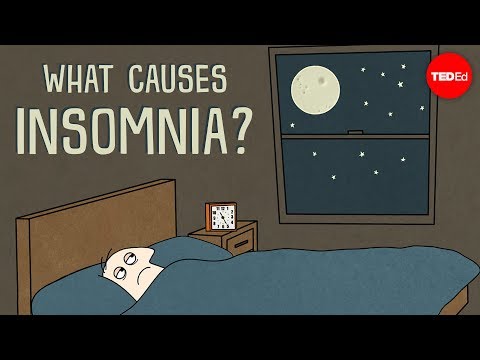
You ever lay in bed, staring at the ceiling, trying to catch some Z’s? Yeah, we’ve all been there. It’s frustrating, right?
Este blog ofrece contenido únicamente con fines informativos, educativos y de reflexión. La información publicada no constituye consejo médico, psicológico ni psiquiátrico, y no sustituye la evaluación, el diagnóstico, el tratamiento ni la orientación individual de un profesional debidamente acreditado. Si crees que puedes estar atravesando un problema psicológico o de salud, consulta cuanto antes con un profesional certificado antes de tomar cualquier decisión importante sobre tu bienestar. No te automediques ni inicies, suspendas o modifiques medicamentos, terapias o tratamientos por tu cuenta. Aunque intentamos que la información sea útil y precisa, no garantizamos que esté completa, actualizada o que sea adecuada. El uso de este contenido es bajo tu propia responsabilidad y su lectura no crea una relación profesional, clínica ni terapéutica con el autor o con este sitio web.
Sleeplessness can seriously mess with you. There’s so much that can get in the way of a good night’s sleep! Friends, work stress, and even our own minds can keep us awake.
So, let’s chat about the reasons behind this insomnia struggle. You know what I mean? Understanding what messes with our sleep can really help us figure out how to fix it. Cool?
Factors Influencing Sleep Quality: Understanding the Role of Psychological and Environmental Elements
Okay, let’s talk about sleep, shall we? You know how sometimes you just can’t catch those Z’s? Yeah, that’s a real struggle! There are tons of things that can mess with your snooze time. You wouldn’t believe how many factors come into play.
First off, psychological elements can really impact your sleep. Stress is like that annoying buddy who overstays their welcome. When you’re stressed, your mind races. You’re thinking about work, relationships, or maybe that funny thing you said at dinner last week (hey, we all do it). This clutter makes it tough to relax and fall asleep.
Then there’s anxiety. Ever laid in bed feeling like the world’s weight is on your shoulders? That feeling can definitely keep you up at night. Your mind might go into overdrive worrying about what tomorrow brings. It’s like trying to finish a level in a game but constantly hitting walls instead of progressing!
- Depression can also play a huge role in your sleep quality. People often feel either incredibly tired or find it hard to sleep at all.
- Negative thought patterns, such as catastrophizing—where you blow things out of proportion—can prevent relaxation and make falling asleep feel impossible.
Now let’s not forget environmental elements. Your bedroom should be a sanctuary, but sometimes it feels more like a battlefield! Things like noise and light are major culprits here.
If your neighbor decides 2 AM is the perfect time for loud music or if there’s too much streetlight sneaking through your curtains, good luck getting some quality sleep! This is where having blackout curtains or white noise machines could work wonders.
- The temperature of your room matters too! If it’s too hot or cold, you’re more likely to toss and turn instead of snooze soundly.
- Your mattress and pillows – they aren’t just fluff! A worn-out mattress could mean less comfort and more backaches.
Your bedtime routine also plays into all this. Ever notice how scrolling through social media right before bed makes it harder to wind down? The blue light from screens messes with melatonin production. That’s the hormone that helps regulate sleep! Seriously, think of it as trying to play a stealth game with all the lights on – not ideal for sneaking around!
Binge-watching shows late into the night might seem fun in the moment but can totally wreck your sleep schedule. Your brain needs time to prepare for rest; jumping straight from action-packed shows to bedtime isn’t always effective.
All these little pieces come together to create your unique sleeping experience. By understanding these factors affecting sleep quality—both psychological and environmental—you can start making some changes if you’re struggling with sleeplessness.
If sleeplessness becomes a regular issue though, talking to a professional could be really helpful! Sometimes we need an extra hand navigating this complex maze of thoughts and surroundings.
Exploring the Link Between SIBO and Sleep Problems: Causes and Solutions
We all know that sleep is super important for our overall well-being, but have you ever thought about how your gut health might be messing with your Zzzs? That’s right! There’s a pretty interesting connection between Small Intestinal Bacterial Overgrowth (SIBO) and sleep problems. So, let’s break it down a bit.
SIBO occurs when there’s an abnormal growth of bacteria in the small intestine. This isn’t just a minor inconvenience; it can lead to several symptoms like bloating, gas, and even fatigue. But what does this all have to do with sleep? Well, the link isn’t just a coincidence—there are solid reasons behind it.
- Hormonal Imbalance: SIBO can affect the hormones responsible for regulating sleep. For instance, it may lead to alterations in cortisol levels which plays an essential role in our circadian rhythm. If your body’s out of whack during the day, it makes sense you’d struggle at night.
- Nutrient Deficiencies: When you have SIBO, your body often doesn’t absorb nutrients properly. This could lead to deficiencies in magnesium or vitamin D—both of which are crucial for good sleep quality.
- Discomfort and Pain: Let’s face it, if you’re feeling bloated and uncomfortable from SIBO symptoms, falling asleep isn’t exactly easy! It’s like trying to nap on the couch while a video game is blasting on full volume—it’s nearly impossible.
You might be wondering what causes SIBO in the first place. There are several factors that can contribute:
- Antibiotic Use: Sometimes we need antibiotics for infections but they can throw off gut balance and promote excess bacteria growth later on.
- Poor Diet: Eating lots of processed foods or sugar can feed bad bacteria in your gut. Think about it: junk food is like that friend who only brings drama to the party—they’re just not good for you!
- Poor Digestive Health: Conditions like gluten sensitivity or irritable bowel syndrome (IBS) can also create a perfect storm for SIBO to thrive.
If you suspect that SIBO is playing a role in your sleepless nights, there are steps you can take! But remember: it’s always best to discuss these options with a healthcare professional.
- Dietary Changes: A low-FODMAP diet might help reduce symptoms by limiting foods that feed harmful bacteria. It’s like switching from fast food to high-quality ingredients—way better for you!
- Probiotics: These little guys help restore balance in your gut flora so consider adding them into your routine after chatting with your doc.
- Lifestyle Adjustments: Incorporating stress-reduction techniques such as yoga or meditation could enhance both gut health and sleep quality. Imagine winding down while playing soothing music—a game-changer!
The key takeaway here is simple: If you’ve got issues with sleep and suspect SIBO could be involved, definitely look into it—but make sure you’re consulting with professionals who can guide you appropriately! Your gut health plays way more of a role than many people realize when it comes to catching those essential hours of rest.
If I had one last piece of advice… make sure you’re paying attention to how you’re feeling overall! Healthy digestion leads to better rest; it’s all connected!
Exploring the 5 Most Common Causes of Insomnia and Their Psychological Impacts
Insomnia can be a real drag, right? You know, lying awake at 3 am, counting sheep that don’t show up. It’s frustrating, and it can hit anyone at some point. But there are common causes behind it, and understanding these can help you tackle the issue.
- Stress and Anxiety: Life throws curveballs, and stress is often the villain of the story. Whether it’s work pressure or personal problems, anxiety can overstay its welcome, keeping your mind racing when all you want is to sleep peacefully. For instance, think about a night before a big presentation. Your brain might be replaying scenarios instead of shutting down for rest.
- Poor Sleep Habits: Sometimes we’re our own worst enemies! Binge-watching your favorite series late into the night or scrolling through social media in bed isn’t exactly setting a sleep-friendly vibe. Those blue lights from screens mess with your body’s natural ability to wind down.
- Caffeine and Diet: You might love that caffeine kick during the day but consuming too much of it or eating heavy meals close to bedtime can keep you alert when it’s time to chill out. Imagine trying to enjoy a cozy game night with friends but feeling jittery after that third cup of coffee.
- Health Conditions: Sometimes insomnia is linked to health issues like chronic pain or mental health disorders such as depression. These conditions don’t just affect your body; they mess with how your mind works too. If you have trouble sleeping because you’re dealing with back pain or mood swings, it’s important to talk about it.
- Environmental Factors: Your bedtime environment plays a huge role! Noise from outside, an uncomfortable mattress or even room temperature can all mess with your snooze game. Picture this: trying to focus on getting comfy while neighbors are having a party next door!
The psychological impacts of insomnia are profound too. You might feel cranky during the day, struggle with concentration, or notice mood swings popping up like unwanted guests at a party. And let’s not forget about how chronic sleeplessness may lead to more serious issues, creating a cycle that’s tough to break out of.
If you find yourself wrestling with insomnia regularly, consider reaching out for help from professionals who can offer tailored advice that meets your unique needs. Managing sleeplessness isn’t just about catching Z’s; it’s an important part of keeping both your body and mind happy!
You know those nights when you just can’t seem to drift off? It’s like your brain’s hitting the fast-forward button while your body’s screaming for some shut-eye. Sleeplessness is something we’ve all dealt with at one point or another, and honestly, it can drive you nuts. Let’s chat about some of the reasons behind it, because figuring out what’s keeping you awake can make a world of difference.
First off, stress is a biggie. You’re sitting there in bed, and suddenly your mind’s racing about tomorrow’s meetings or that awkward conversation you had last week. Been there? I remember once tossing and turning over a presentation I had coming up. It felt like I was rehearsing in my sleep—so not helpful! Stress triggers our body’s fight-or-flight response, which pumps out hormones to keep us alert. Basically, it keeps us from entering that peaceful sleep state we crave.
Then there’s our good old friend caffeine. Seriously, have you ever chugged coffee late in the day? Oops! That energy boost feels great at first but can haunt you come bedtime. Caffeine sticks around way longer than we think—it might be fun during a long workday but becomes an enemy when you’re trying to get cozy at night!
And let’s not forget about screens—your phone, tablet, or television could be working against you too. You might find yourself scrolling through endless TikTok videos or binge-watching shows way past your bedtime. The blue light emitted from these devices messes with melatonin production, that hormone that tells your body it’s time to sleep. It’s like inviting insomnia over for coffee!
Now, physical factors play a role as well; think about discomfort from an old mattress or room temperature that feels more like a sauna than a serene retreat. When I moved into my new place and upgraded my bed situation, it was game-changing! A comfy setup can do wonders for improving sleep quality.
Then there’s the issue of consistency—or lack thereof! If you’re going to bed at different times every night and waking up all over the place too, your body’s internal clock gets super confused (like trying to decipher mixed signals from someone!). Keeping a regular schedule helps signal your body when it’s time to wind down and when it’s time to rise.
So yeah, sleeplessness has many faces—stressors galore and all sorts of habits we may not even notice are throwing us off balance! If you’ve been counting sheep lately instead of catching z’s, take a step back and see what’s on your mind or what routines you could shake up a bit. Because in the end? We all deserve those cozy nights wrapped up in dreams instead of wrestling with worries!