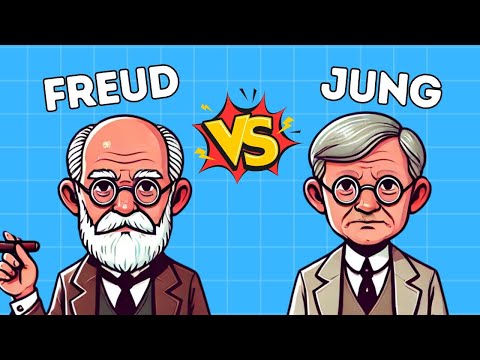
Alright, so let’s talk about Carl Jung. You know, he’s one of those big names in psychology. But here’s the thing: his ideas are super relatable and kinda fascinating.
Este blog ofrece contenido únicamente con fines informativos, educativos y de reflexión. La información publicada no constituye consejo médico, psicológico ni psiquiátrico, y no sustituye la evaluación, el diagnóstico, el tratamiento ni la orientación individual de un profesional debidamente acreditado. Si crees que puedes estar atravesando un problema psicológico o de salud, consulta cuanto antes con un profesional certificado antes de tomar cualquier decisión importante sobre tu bienestar. No te automediques ni inicies, suspendas o modifiques medicamentos, terapias o tratamientos por tu cuenta. Aunque intentamos que la información sea útil y precisa, no garantizamos que esté completa, actualizada o que sea adecuada. El uso de este contenido es bajo tu propia responsabilidad y su lectura no crea una relación profesional, clínica ni terapéutica con el autor o con este sitio web.
Ever felt like your dreams were trying to tell you something? Well, Jung was all about that. He believed our unconscious mind talks through symbols and archetypes. Sounds cool, right?
Then there’s the whole concept of the “Self.” It’s not just about how we see ourselves but more like finding harmony between our inner and outer worlds.
And don’t even get me started on introversion and extraversion! Jung had a way of explaining these traits that makes you think about your own personality in a whole new light.
So, if you’re curious about what makes you tick or why you dream what you do, let’s dive into this together!
Understanding the Four Pillars of Jungian Psychoanalysis: Key Concepts Explained
Sure! Let’s break down the four pillars of Jungian psychoanalysis, or analytic psychology, in a way that feels chill and conversational. So, get cozy and let’s explore what Carl Jung was all about.
1. The Collective Unconscious
Jung believed we all share a pool of memories and experiences, sort of like a massive digital archive for humanity. This isn’t about the stuff you remember personally; it’s deeper than that. Think of it as a shared dream space filled with symbols and themes common across cultures. It’s why you might feel connected to those ancient myths or fairy tales, even if you’ve never read them before!
2. Archetypes
These are universal symbols or characters that pop up in our dreams, stories, and even in games. You know the wise old mentor? That’s an archetype! Jung identified several key types like the Hero, the Shadow (your darker side), and the Anima/Animus (the feminine side in men and masculine side in women). They help us navigate through life’s twists and turns. So if you play a game with a classic hero—like Link from Zelda—you’re actually witnessing archetypes at work.
3. Individuation
This is all about becoming who you truly are by integrating different parts of your personality—the conscious with the unconscious. You might feel like you’re on this journey while heaving your emotional baggage around—yes, we all have it! It’s really about finding balance between those inner conflicts and figuring out how to express your true self. Ever find yourself torn between wanting to follow rules (your inner responsible adult) and just wanting to be wild and free (your rebellious teenager)? That tug-of-war? That’s individuation at play.
4. Synchronicity
This one gets a bit mystical—it’s when meaningful coincidences happen that feel too perfect to be random. Imagine thinking of an old friend you haven’t spoken to in ages, only for them to call you out of nowhere! Jung believed these events have significance beyond chance—they’re connected in ways we can’t always see.
So there you have it—the four pillars of Jungian psychoanalysis wrapped up in bite-sized pieces! Understanding these concepts can really give you insight into your own psyche or help when you’re navigating relationships or personal challenges. Seriously though, if things get heavy or confusing for ya, chatting with a pro can make all the difference.
And remember: this isn’t a replacement for professional help; just some food for thought on how our minds work!
Download Carl Jung’s Analytical Psychology PDF: Key Concepts and Theories Explained
So, let’s chat about Carl Jung and his brand of psychology, known as Analytical Psychology. You might have heard of it before—he’s kind of a big deal in the world of psychology. Jung was all about digging into the depths of our minds to explore not just our personal experiences but also what he called the collective unconscious. Sounds a bit heavy, right? But it’s really intriguing once you wrap your head around it.
In essence, Jung believed that our minds are not just shaped by our individual experiences. There’s this larger layer he called the collective unconscious, which contains shared memories and ideas across humanity. Think of it as a psychological library where everyone has access to the same stories and archetypes.
- Archetypes: These are universal symbols or themes that come up again and again in stories and myths throughout history. For example, characters like the Hero or the Wise Old Man show up in lots of different cultures’ tales.
- Persona: This is kind of your social mask or how you present yourself to the world. It’s not who you really are deep down; it’s more like your public image.
- Shadow: This is where things get interesting. Your Shadow represents all those parts of yourself that you don’t want to acknowledge—the fears, desires, and impulses you might hide from others (and even yourself). You know those moments when you just snap at someone? That could be your Shadow popping out!
- Anima/Animus: The Anima is your inner feminine side (if you’re a guy), while the Animus represents your inner masculine side (if you’re a gal). Finding balance between these can lead to growth.
A common analogy for understanding these concepts might be video games. Imagine playing an RPG where each character represents different aspects of oneself: strength (the Hero), wisdom (the Wise Old Man), weaknesses (the Shadow), etc. Each character needs to work together for you to succeed in the game! It’s all about finding harmony within yourself.
One of Jung’s notable ideas was about dreams too. He thought they were windows into our unconscious mind—a way for us to process emotions and experiences. You ever had those dreams that feel so real? They might be trying to tell you something important about what’s going on inside!
But hold on—Jung’s theories aren’t meant to replace professional help if you’re struggling with mental health issues. They’re more like a toolkit for understanding human behavior and personality better.
If you’re interested in diving deeper into these concepts, there are plenty of resources out there—including some PDFs if that’s your thing! Just remember: exploring your psyche can be super useful but also challenging; it’s important to approach everything with care.
A final takeaway from Jung? Understanding ourselves often leads us on a journey toward wholeness; recognizing both light and shadow can guide us toward personal growth in ways we never imagined possible.
Understanding Carl Jung’s Analytical Psychology: Core Concepts and Applications
So, I’ve been digging into Carl Jung’s analytical psychology, and wow, it’s like peeling back layers of an onion—there’s so much to unpack! Jung was all about understanding the deeper parts of our psyche and how they shape who we are. Let’s break it down, shall we?
First off, Jung introduced some pretty cool core concepts:
- The Collective Unconscious: This is like a shared library of experiences and memories that every human taps into. Think of it as all the stories humanity has ever told stored in your brain.
- Archetypes: These are universal symbols or motifs found across cultures. You know the wise old man or the nurturing mother? Those are archetypes! They pop up all over the place—in dreams, myths, and even video games.
- Individuation: This is the process of becoming who you truly are. It’s like leveling up in a game where you gather pieces of yourself that you’ve lost along the way.
- The Persona: Imagine wearing a mask in social situations; that’s your persona! It’s how you present yourself to others but can sometimes hide your true self.
- The Shadow: This represents the darker, often hidden parts of our personality—things we’d rather not acknowledge. Facing your shadow can be tough but it’s essential for personal growth.
You with me? Cool! Now let’s get a little more personal here.
I remember chatting with a friend once who felt stuck in their job. They had this image of themselves as super ambitious and driven (that was their persona), but deep down, they were terrified of failure (their shadow). After some soul-searching influenced by Jungian concepts, they realized that they weren’t just lazy; they were scared! This insight helped them understand themselves better and start making changes.
Now let’s talk about applications. Jung’s ideas aren’t just for therapy but also seep into art, literature, and even gaming!
- Therapy: Many therapists use Jungian techniques to help people explore these different aspects of their psyche during sessions.
- Dream Analysis: Ever had weird dreams? Jung believed they’re windows into our unconscious mind and analyzing them can reveal valuable insights!
- Cultural Studies: Archetypes show up everywhere—from epic movies like Star Wars to classic novels like Moby Dick—helping us understand collective human experiences.
- Video Games: Many games incorporate archetypal characters or storylines similar to Jung’s theories. Think about games where you face moral choices—they often challenge your shadow side!
If you’re curious about diving into this stuff more deeply, there’s plenty out there—books written by both Jung himself and modern psychologists who build on his work. But hey, remember: this isn’t a substitute for professional help if you’re struggling with mental health issues; it’s just food for thought!
All in all, Carl Jung’s analytical psychology offers fascinating tools to understand ourselves better and navigate life’s complexities. So whether you’re leveling up in gaming or figuring out your place in life, these concepts might just shine a light on things way down deep!
Okay, so let’s chat about Carl Jung and his ideas, shall we? You know, when you think about psychology, you often hear names like Freud popping up. But Jung? He’s like the cool uncle of psychology—kind of mysterious, kind of deep, and definitely offers some fascinating insights.
Analytic psychology is Jung’s gig. The big deal about it is that he wasn’t just focused on the mind or behavior; he wanted to dive into the depths of the soul. I mean, how often do we really stop to think about what motivates us on a deeper level? For me, it was one chilly evening when I found myself staring at a blank wall after a tough breakup that I realized my dreams were not just random fluff but reflections of my inner struggles. That moment was kind of eye-opening.
One core idea Jung threw out there is the concept of the *collective unconscious*. This isn’t just some fancy term; it suggests that we humans share a pool of memories and symbols from our ancestors. Think about it—have you ever had one of those dreams where you felt like you were being chased by something but couldn’t quite put your finger on what? Jung would say that’s tapping into shared human experiences.
Then there’s *archetypes*. These are universal symbols or patterns that show up in myths, stories, and even in our personal lives—like The Hero or The Wise Old Man. It’s wild when you realize they’re not just in fairy tales; they pop up in your daily dramas too! Like every time you feel courageous enough to face your own “dragon,” you activate your inner hero.
And let’s not forget *individuation*, which sounds super complex but is really just about becoming who you truly are. It’s like peeling back layers until you get to the core—you know how sometimes we wear masks (figurative ones!) for others? Jung believed that finding the authentic self can be quite liberating.
So yeah, all these things can sound heavy sometimes. And maybe you’re wondering how these concepts translate into real life. I mean, have you ever sat down and thought about why certain things trigger strong emotions in you? Or why certain characters in movies resonate so deeply with your experiences? That’s the yogurt at the bottom of this complex psychological parfait—understanding yourself through these universal concepts helps make sense of your life story.
Anyway, if nothing else strikes a chord with you today, remember this: exploring your inner world isn’t just for therapists or philosophers; it can offer valuable insights for anyone willing to peek beneath their own surface. So next time you’re digging deep into thoughts or dreams, think like a mini-Carl Jung yourself! You might just surprise yourself with what bubbles up from those hidden layers.