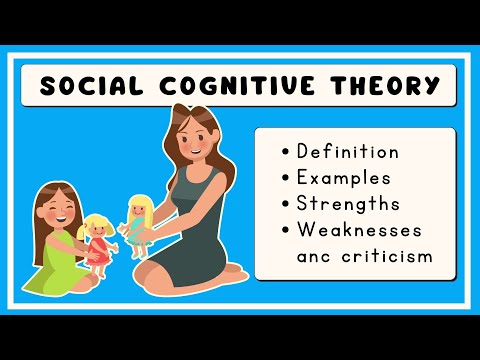
You know how sometimes you just pick things up from the people around you? That’s kinda what social cognitive theory is all about! It’s not just a bunch of fancy words.
Este blog ofrece contenido únicamente con fines informativos, educativos y de reflexión. La información publicada no constituye consejo médico, psicológico ni psiquiátrico, y no sustituye la evaluación, el diagnóstico, el tratamiento ni la orientación individual de un profesional debidamente acreditado. Si crees que puedes estar atravesando un problema psicológico o de salud, consulta cuanto antes con un profesional certificado antes de tomar cualquier decisión importante sobre tu bienestar. No te automediques ni inicies, suspendas o modifiques medicamentos, terapias o tratamientos por tu cuenta. Aunque intentamos que la información sea útil y precisa, no garantizamos que esté completa, actualizada o que sea adecuada. El uso de este contenido es bajo tu propia responsabilidad y su lectura no crea una relación profesional, clínica ni terapéutica con el autor o con este sitio web.
It’s really about how we learn from watching others and, honestly, it’s everywhere in our lives. Seriously, think about it for a second. Have you ever noticed how kids mimic their parents or friends? That’s them soaking in information like sponges.
So, let’s chat about real-life examples of this idea. You’ll see how it pops up in everyday situations—it’s pretty cool! Get comfy; I promise you’ll find some relatable moments here.
Real-World Applications of Social Cognitive Theory: Understanding Behavior Through Observation and Learning
Social Cognitive Theory is all about how we learn from watching others and the world around us. We take cues from what we see, hear, and even feel, and then incorporate that knowledge into our own behavior. It’s like when you’re playing a new video game. You watch a friend nail a tricky level, and suddenly you pick up on their strategies without even realizing it.
Observation is key in Social Cognitive Theory. The idea is that what you see influences how you act. Think of kids learning to ride bikes. They might watch someone zoom down the street, balance perfectly, and then think, “Hey! I can do that too!” They imitate the action based on what they’ve observed.
Then there’s modeling. It’s not just about seeing something; it’s about mimicking it in some way. For instance, if a child watches a parent handle stress calmly during a tough situation, they might internalize that response for future challenges. So next time something goes wrong at school or in life, instead of flipping out, they might remember to breathe and stay chill.
In the realm of gaming – sound familiar? When players see popular YouTubers tackle difficult levels with finesse or showcase certain strategies, they often change how they play based on those examples. They’re not just playing; they’re learning through observation!
Another important aspect is reciprocal determinism, which basically means we’re influenced by our environment just as much as we influence it. Picture this: if you join a group of friends who love hiking every weekend, chances are you’ll start to love hiking too! Your behavior changes because your surroundings have shifted.
You know how sometimes just a tiny change can lead to a big impact? Like when students notice their classmates getting praised for participating actively in class discussions so they decide to jump in more often? That’s social reinforcement at work! Positive feedback can encourage behaviors.
And let’s not forget about self-efficacy, which is your belief in your ability to succeed at something. If you think you can pull off that skateboarding trick because you’ve seen others do it successfully (and maybe even fail!), you’re likely more inclined to give it a shot yourself.
- Observation: Learning through watching others’ actions.
- Modeling: Imitating behaviors observed from role models.
- Reciprocal determinism: The bidirectional influence between individuals and their environments.
- Social reinforcement: Behavioral changes motivated by rewards or feedback.
- Self-efficacy: The belief in one’s ability leading to increased chances of success.
In real life – not just in classrooms or games – Social Cognitive Theory plays out all around us. Think about how campaigns against smoking target young people using role models who have quit smoking successfully, encouraging them through relatable stories or visuals.
So here’s the thing: while Social Cognitive Theory illustrates fascinating ways we learn from our environment and each other through observation and imitation, this isn’t all there is when it comes to understanding human behavior. And if ever you’re feeling overwhelmed by your own experiences or need personalized guidance? Consulting with a professional can provide invaluable help tailored just for you!
It’s pretty amazing when you stop and think about it: all these interactions are shaping who we are every day!
Everyday Examples of Social Cognition: Understanding Interactions and Perceptions in Daily Life
Sure! Let’s talk about social cognition and how it plays out in our everyday lives. You know, it’s all about how we think about and interact with others. It can be subtle, but it shapes our experiences and relationships in some pretty big ways.
Social cognition refers to the processes we use to make sense of other people’s behaviors, intentions, and emotions. It’s like having a mental toolkit for understanding the social world around us. Here’s a quick breakdown of some real-life examples that might just make this concept click for you:
- First Impressions: Ever walked into a room and immediately felt like you judged everyone? Yup, that’s social cognition at play! Think about it: if someone walks in wearing a hoodie, you might automatically think they’re laid-back or maybe even unprofessional. But what if they’re actually on their way to a job interview? Your first impression could shape your entire interaction.
- Empathy: Imagine watching a sad movie where the character loses their best friend. You probably felt that ache in your chest as if it were happening to you! That’s empathy—a crucial part of social cognition. It helps us connect with others on an emotional level, which can be super important when building friendships or comforting those we care about.
- Stereotypes: Let’s say you meet someone from a different culture. If you’ve heard stereotypes about them before—even if they’re not true—you might unconsciously let those biases affect your behavior toward that person. For example, playing a game like «Among Us» teaches us to assess people based on their actions rather than assumptions! But sometimes, our brains skip that step and just go with what’s familiar.
- Cognitive Dissonance: Think of when you’ve done something you didn’t believe was right—like telling a little white lie to get out of plans with someone (Oops!). You might feel uneasy afterward because your actions don’t match your beliefs. That discomfort pushes us to either change our beliefs or justify our behavior somehow.
- The Halo Effect: Picture this: You’re in class with someone who always excels at math. Because they do so well academically, you might start thinking they’re also really great at sports or friendly—all based on one trait! This is called the halo effect; one positive attribute makes you assume other good things about them.
So why does all this matter? Well, understanding these examples helps enhance communication skills and boosts emotional intelligence—important stuff for personal growth and relationships!
Remember that social cognition isn’t perfect; we often misinterpret situations or jump to conclusions without enough information. Think back to times when you’ve judged too quickly—it happens to all of us!
But hey, keep in mind these insights don’t replace professional guidance if you’re struggling with how people perceive you or how you perceive others.
In short, social cognition is everywhere—in every conversation and interaction we have daily—and being aware of it can help improve the way we relate to each other in this crazy world we live in!
Current Applications of Social Cognitive Theory in Various Fields
You’ve probably heard people talk about Social Cognitive Theory (SCT), right? It’s such a neat concept. Basically, SCT suggests that we learn not just through direct experience but also by watching others and seeing the outcomes of their behaviors. This theory has been applied across all sorts of fields, from education to healthcare, and even in sports! Let me break it down for you.
Education
In the classroom, teachers often use modeling to show concepts. When a teacher demonstrates how to solve a math problem, they are providing students with a blueprint to follow. Kids see what happens when someone applies a method successfully, and they’re likely to try it themselves later on. It’s like watching your favorite gamer pull off an epic move—you want to learn it for yourself!
Healthcare
Healthcare professionals use SCT in promoting healthy behaviors. For example, if someone sees a friend successfully quit smoking or start exercising regularly, they’re more likely to think, “Hey, I can do that too!” This observational learning is powerful! It creates positive role models that can motivate others.
Sports
In sports psychology, SCT plays a significant role too. Athletes often watch each other during practice or competitions. They pick up techniques or strategies from one another’s performances. Think about how players study game tapes—not just for their performance but also to learn from fellow teammates or opponents.
Workplace Training
In the business world, social cognitive principles are used in training programs. When new employees see experienced coworkers handling challenging situations smoothly—like resolving customer complaints—they’re learning through observation. Plus, if they see their colleagues rewarded for good performance, that inspires them to step up their game too!
Media Influence
And don’t forget about media! Social cognitive theory helps explain how people are influenced by characters in movies or shows—especially kids and teens. If a popular character in a show makes good choices or stands up against bullying, young viewers might be more inclined to act similarly in real life.
So you see? SCT isn’t just some abstract theory tucked away in academic books; it’s very much part of our daily lives across various sectors! Watching others and figuring out what works is something we do naturally and effectively every day.
But hey—remember that while these observations can guide us toward making better choices or trying new things; it’s important not to rely solely on them when dealing with serious issues. If you ever feel stuck or unsure about something big in your life, talking to a professional is always your best bet!
So, social cognitive theory, huh? It’s one of those concepts that can sound pretty fancy but is actually super relatable. Basically, it’s all about how we learn from watching others and how our environment shapes our behavior. You know what I mean? It’s like seeing your friend try out a new skill and thinking, “Hey, if they can do it, why not me?”
Think about this: Remember when you were a kid and saw someone ride a bike for the first time? They probably fell a few times, right? But then they got back up and kept trying. As you watched, something clicked in your head. You thought, “If they can learn to ride after falling, maybe I can too.” That’s observational learning in action! You learn not just from what people say but from what they do. Pretty cool stuff!
Let me share a little story. A few years ago, my buddy started posting his fitness journey on social media. At first, I was like, “Wow, good for him!” But then it hit me—seeing his progress made me wanna start running again. It wasn’t just words; it was watching him push through the sweat and struggle that inspired me to lace up my shoes. I could practically hear him saying: “You got this!” And guess what? That motivation turned into habits that really helped boost my mood.
Social cognitive theory also dives into the importance of self-efficacy—the belief that you can do something. Like when you see someone succeed at work or in their personal life; suddenly, you feel like maybe you can tackle that scary project or even try cooking that gourmet recipe you’ve been eyeing for months.
But let’s be real—there’s also the flip side! Sometimes we see negative behaviors too. Think about binge-watching bad reality TV shows or scrolling endlessly through social media; it’s easy to get sucked in because you’re seeing others do it all the time. You might find yourself saying things like, “Oh well! Everyone else is doing it!” And boom! Just like that, you’re caught in a loop.
All in all, social cognitive theory is at play everywhere around us—from kids learning by observing their parents to adults finding inspiration (or unhealthy habits) through social media influencers. Life is full of these little teachable moments! So next time you’re scrolling or watching someone nail a skill on Instagram or TikTok remember—you might be absorbing more than you think! That’s just human nature for ya!