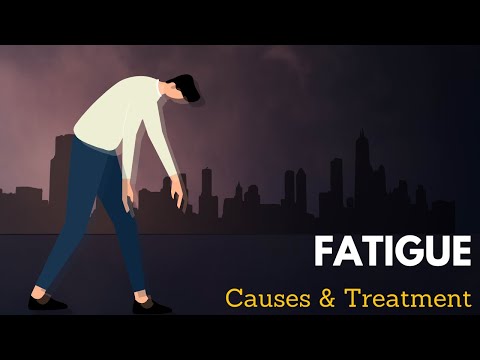
You know that feeling when you just can’t get off the couch? Yeah, that kind of tiredness hits everyone eventually. But not all fatigue is the same, right?
Este blog ofrece contenido únicamente con fines informativos, educativos y de reflexión. La información publicada no constituye consejo médico, psicológico ni psiquiátrico, y no sustituye la evaluación, el diagnóstico, el tratamiento ni la orientación individual de un profesional debidamente acreditado. Si crees que puedes estar atravesando un problema psicológico o de salud, consulta cuanto antes con un profesional certificado antes de tomar cualquier decisión importante sobre tu bienestar. No te automediques ni inicies, suspendas o modifiques medicamentos, terapias o tratamientos por tu cuenta. Aunque intentamos que la información sea útil y precisa, no garantizamos que esté completa, actualizada o que sea adecuada. El uso de este contenido es bajo tu propia responsabilidad y su lectura no crea una relación profesional, clínica ni terapéutica con el autor o con este sitio web.
Sometimes, it’s your body saying “nope” after a long run. Other times, your brain feels like it’s running on empty due to a stressful week. And let’s not forget about those emotional rollercoasters—seriously draining!
It’s a lot to juggle. Physical, mental, and emotional fatigue—all different flavors of tiredness. So grab a snack and let’s chat about them! You might just find out why you’re feeling the way you do.
Understanding the 6 Types of Fatigue and Their Psychological Impacts
Fatigue can hit you like a freight train, and it’s not just about feeling sleepy. There’s actually a whole spectrum of fatigue types that impact you both physically and mentally. Let’s break down the six types of fatigue and understand their psychological impacts.
- Physical Fatigue: This is perhaps the most obvious one. You know when you’ve just finished a workout or a long day at work, and your body feels heavy? That’s physical fatigue. It leaves you drained and may affect your motivation to engage in activities later. You might even find yourself opting for a nap instead of hitting the gym again!
- Mental Fatigue: Think about those days when you’ve been staring at your computer screen for hours, trying to wrap your head around something complex, like that level in a challenging game. Mental fatigue sneaks up on you after prolonged cognitive effort, making it hard to focus or think clearly. You might feel irritable or snap at friends over little things. Seriously, it happens!
- Emotional Fatigue: This type of fatigue is a bit trickier because it digs deep into how you’re feeling inside. Maybe you’ve been caring for someone who needs constant support or going through tough emotional ups and downs yourself. Emotional fatigue can leave you feeling overwhelmed, detached, or even hopeless at times.
- Social Fatigue: Ever felt worn out after spending too much time with people? Social fatigue arises from too much interaction, making you want to retreat into your own space for recharge time. This could happen after an extended family gathering where everyone is talking over each other—it’s exhausting! You might find yourself craving solitude after such events.
- Sensory Fatigue: This comes from overstimulation—like being in a loud environment or staring at bright screens all day long (hello, smartphones!). It can manifest as headaches or an inability to focus on tasks because you’re bombarded by too many sights and sounds around you.
- Compassion Fatigue: Often seen in helping professions like nursing or counseling, compassion fatigue occurs when you’re emotionally drained from caring for others’ struggles without taking care of your own mental health needs. It’s like being the player who gives all their energy to support teammates but forgets to rest themselves!
No matter what type of fatigue you’re experiencing, it has its psychological impacts that go beyond just feeling tired. You may notice:
- Your motivation dwindling.
- Increased irritability.
- A lack of joy in activities that once excited you.
- Difficulty concentrating on tasks—be they work-related or fun activities like gaming.
In the end, understanding these different kinds of fatigue can help us take steps toward managing our well-being better—not every day will be perfect! If these feelings linger and start impacting life majorly though? That might be the time to chat with someone who can help like a professional therapist or counselor.
Understanding the 4 P’s of Fatigue: A Comprehensive Overview
Fatigue is something we all deal with from time to time, right? But not all fatigue is created equal. It comes in different flavors, and understanding these can help you tackle it better. Let’s break down the 4 P’s of Fatigue: Physical, Mental, Emotional, and Perceptual.
- Physical Fatigue: This one’s pretty straightforward. It’s that tired feeling you get after a long day at work or after exercising too hard. Your body just feels heavy, like your legs are made of lead. Maybe you’ve pushed yourself running a marathon or had a super busy week at the gym. Your muscles need rest to recover.
- Mental Fatigue: Now this is a sneaky one! It often creeps up on you after hours of intense concentration or studying for exams. Imagine cramming for a big test – your brain feels foggy and overwhelmed. You know that feeling when you just can’t focus anymore? That’s mental fatigue kicking in.
- Emotional Fatigue: This type can be really tough because it doesn’t always show on the outside. It happens when you’re dealing with stressful situations—like caring for a loved one who’s ill or going through breakups. You might feel drained even if you haven’t done much physically. It’s like your heart feels heavy and every little thing seems like a mountain to climb.
- Perceptual Fatigue: This one’s less talked about but super important! It relates to how we see the world around us getting duller or less vibrant over time. Ever played video games for hours on end? After a while, everything can start to look the same; colors seem muted and tasks feel repetitive. That’s perceptual fatigue messing with your senses!
The thing is, all these types of fatigue often overlap, so it’s not uncommon to feel more than one at the same time. For example, if you’re emotionally drained from work stress but also staying up too late gaming—guess what? You’re likely hitting that physical fatigue zone too!
If you’ve ever felt totally wiped out but couldn’t quite put your finger on why—even after getting enough sleep—you might be dealing with multiple forms of fatigue simultaneously.
You know what? It’s essential to pay attention to these feelings instead of just pushing through them. They’re signals from your body letting you know something’s off balance.
And remember: if you’re feeling consistently fatigued and it’s affecting your daily life (like work performance or relationships), it may be time to reach out for professional help! Sometimes we need an extra pair of eyes—or ears—to see things more clearly.
Understanding the Five Types of Fatigue: Insights into Physical and Mental Exhaustion
Fatigue can feel like a heavy blanket, sometimes cozy but usually pretty suffocating. It’s not just about being tired after a long day. There are actually different types of fatigue that can mess with us in various ways. Let’s break it down into five main types: physical, mental, emotional, sensory, and compassion fatigue.
1. Physical Fatigue
This one’s the most straightforward kind. It happens when your body just feels worn out. Maybe you’ve spent the day running around or doing strenuous tasks like lifting boxes or hitting the gym hard. Picture yourself after an intense game of basketball—your muscles ache and you need a nap! Physical fatigue is your body telling you it needs rest to recover.
2. Mental Fatigue
Now we’re talking about the brain power drain. Ever felt like your mind is in a fog? That’s mental fatigue kicking in. It can hit after hours of studying for exams or working on complex projects at work. It’s that feeling where even simple tasks seem impossible—like trying to remember where you left your keys while making dinner!
3. Emotional Fatigue
This one sneaks up on you during tough times, like when you’re going through a breakup or dealing with ongoing stress from work or family issues. It’s draining to continuously manage emotions and engage with others while feeling emotionally depleted—kind of like trying to play an RPG without any health points left! You might find yourself wanting to withdraw from friends or not caring as much about things that used to light you up.
4. Sensory Fatigue
Ever got overwhelmed by noise or lights? That’s sensory fatigue talking! If you’ve been exposed to bright screens for too long or loud music at a concert, it’s no wonder if you start feeling drained afterward. Your senses need a break too! Imagine after playing video games non-stop—the colors blur together, and suddenly everything feels way too intense.
5. Compassion Fatigue
This type usually affects caregivers and those in helping professions—think nurses, social workers, or teachers who constantly give their care and attention to others’ needs but might neglect their own well-being in the process. Over time, they risk feeling emotionally exhausted and detached from empathy—like being stuck on repeat in a game where you’re always helping NPCs but forgetting about leveling up your own character.
All these types of fatigue can overlap and affect each other, leading to a greater sense of overall exhaustion than if they were experienced singly—so it’s crucial not to ignore them! And hey, while understanding these varieties can help shed light on what you’re experiencing day-to-day, it doesn’t replace chatting with a healthcare professional if you’re feeling persistently worn out.
So next time you’re dragging through the day wondering why everything feels heavier than usual? Just remember there are multiple layers to tiredness—and taking care of yourself is key!
Fatigue—wow, it hits us in all sorts of ways, doesn’t it? You might be feeling physically drained after a long day of work or mentally wiped out from that marathon binge-watching session. And let’s not forget emotional fatigue, which can sneak up on you like that friend who keeps showing up uninvited. Seriously, let’s break this down a bit.
Physical fatigue is probably the most obvious one. It’s that heaviness in your limbs after an intense workout or a day spent running around. You know the feeling when your body just wants to flop down on the couch? I remember once pushing myself at the gym, thinking I was invincible. Spoiler alert: I wasn’t! By the end of my workout, all I could do was lay there like a limp noodle, wondering if I’d ever stand again.
Then there’s mental fatigue. This one is tricky because it can come from doing something as simple as studying for an exam or even scrolling through endless social media feeds. Your mind feels foggy and like it’s been running a marathon without you even realizing it. I’ve had those nights when I’m reading but my brain just won’t absorb anything—like trying to pour water into a sieve! The more you push against that wall of mental tiredness, the more frustrating it gets.
And oh boy, emotional fatigue is like an invisible weight dragging you down which sometimes catches you off guard. Maybe you’ve had a tough week with work drama or family issues. It’s not always easy to spot this kind of tiredness because it’s less about your physical state and more about feeling overwhelmed or just plain exhausted from carrying emotional baggage around. Have you ever noticed how someone can look fine on the outside but be struggling inside? That’s emotional fatigue at play.
You know what? Understanding these different types of fatigue helps create some space to deal with them better. If you’re physically tired, rest and maybe some light activity could help; if it’s mental fatigue you’re dealing with, consider taking breaks and doing something fun instead of grinding away at whatever’s draining you. And emotional fatigue? Well, sometimes talking to someone—a friend or even a therapist—can really lighten that load.
So yeah, we all experience these kinds of tiredness differently and it’s totally normal to feel them at various times in life. Paying attention to how you’re feeling is key—it helps in addressing what your body and mind truly need in those moments!


