Hey there! So, let’s chat about something super relatable: personality types. You know how some people just click with you, while others leave you scratching your head?
Este blog ofrece contenido únicamente con fines informativos, educativos y de reflexión. La información publicada no constituye consejo médico, psicológico ni psiquiátrico, y no sustituye la evaluación, el diagnóstico, el tratamiento ni la orientación individual de un profesional debidamente acreditado. Si crees que puedes estar atravesando un problema psicológico o de salud, consulta cuanto antes con un profesional certificado antes de tomar cualquier decisión importante sobre tu bienestar. No te automediques ni inicies, suspendas o modifiques medicamentos, terapias o tratamientos por tu cuenta. Aunque intentamos que la información sea útil y precisa, no garantizamos que esté completa, actualizada o que sea adecuada. El uso de este contenido es bajo tu propia responsabilidad y su lectura no crea una relación profesional, clínica ni terapéutica con el autor o con este sitio web.
Well, that’s where personality types come into play. They can help us understand ourselves better and figure out why we vibe (or don’t) with certain folks.
Imagine knowing what makes you tick and what drives your friends or coworkers. Pretty cool, right? It’s like having a little cheat sheet for human behavior.
In this piece, we’re diving into eight distinct personality types. Seriously, it might just change the way you look at yourself and the people around you. You with me?
Exploring the 8 Key Perspectives of Personality: A Comprehensive Overview
So, when we talk about personality, it can feel a bit like trying to solve a puzzle, right? There’s just so much going on! But getting to know the 8 key perspectives of personality can really help us understand ourselves and others in a more meaningful way. Let’s break this down.
- 1. Psychoanalytic Perspective: This is all about diving deep into the unconscious mind. Think Freud, where childhood experiences shape who you are. Imagine playing a character in a role-playing game who was influenced by their past—those early choices impact everything!
- 2. Behaviorist Perspective: Here we focus on what you can see: actions and reactions. It’s like when you play a video game and your character learns from mistakes; it’s all about how behaviors are rewarded or punished.
- 3. Humanistic Perspective: This one’s about being the best version of yourself! It emphasizes personal growth and self-actualization, kind of like leveling up in your favorite game as you gain experiences and skills.
- 4. Cognitive Perspective: Our thoughts shape our personalities. Think of this as the internal dialogue of your gaming character—how they think and interpret events really influences what they do next!
- 5. Trait Perspective: This focuses on identifying specific traits that people display consistently over time. For example, if your friend is always kind-hearted, that’s part of their personality makeup, similar to how certain characters have defined traits in games.
- 6. Biological Perspective: Genetics play a huge role here! Certain traits are inherited, think about it like having family traits in a fantasy RPG—you inherit abilities from your character’s lineage.
- 7. Evolutionary Perspective: This one looks at how personality traits have developed over time for survival benefits—like being social to form groups or having adaptive skills that help during challenges.
- 8. Sociocultural Perspective: Your culture influences who you are more than you’d think! It’s like different factions or clans in games where each has distinct characteristics based on their environment and beliefs.
You see? Each perspective gives us unique lenses to understand personalities better—not just our own but also those around us! It reminds me of studying different classes in games; each has its own strengths that contribute to the overall story.
This knowledge is powerful but remember: it’s not a substitute for professional help if you’re struggling with mental health issues or interpersonal conflicts! It’s just a way to enhance our understanding of ourselves and others.
If you’ve ever looked at someone and thought, “Why do they act like that?” these perspectives might help you find some answers!
Understanding INTJ, INTP, ENTJ, and ENTP Personality Types: A Comprehensive Overview
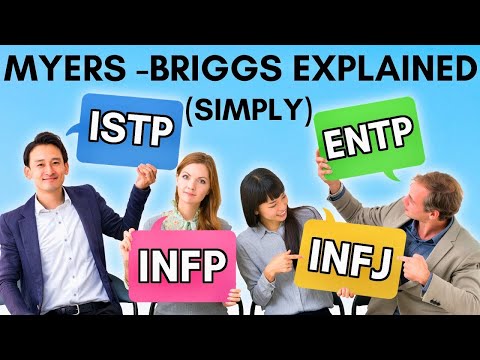
When we talk about personality types, we’re diving into a way of understanding how you and others think, feel, and behave. Four specific types that often come up are INTJ, INTP, ENTJ, and ENTP. So let’s break them down.
INTJ. Known as the «Architect,» these folks are planners through and through. They’re strategic thinkers who love to analyze situations deeply. Imagine a chess player thinking three moves ahead; that’s kinda like an INTJ’s thought process. They value knowledge and tend to be quite independent, preferring to work alone rather than in a group.
Key traits of INTJs include:
- Strategic vision: They often have long-term goals.
- High standards: They’ll push themselves and others towards excellence.
- Introverted: You might find them lost in their thoughts most of the time.
Now let’s talk about the INTP, or the “Thinker.” These individuals thrive on ideas and concepts. They are your go-to for brainstorming sessions, always ready to explore new theories or possibilities. Picture someone tinkering with gadgets, constantly asking “why?”; that’s the INTP vibe for you.
Characteristics of INTPs include:
- Curiou: They love to ask questions.
- Eccentric: Their thought processes may seem out there.
- Anxiety towards routine: Repetitive tasks can really baffle them.
Moving on to those dynamic leaders—the ENTJ, also known as “The Commander.” ENTJs have this natural knack for organizing people and resources. Picture a squad leader rallying their team before a big game; that’s their energy in a nutshell! They’re all about efficiency and getting things done.
Here are some important traits of ENTJs:
- Decisive: They’ll take charge in situations.
- Courageous: They’re not afraid to take risks for better outcomes.
- Loud leaders: You know they’re in charge when they speak!
Lastly, we’d be remiss not to mention our innovative friends—the ENTP. These are your classic debaters, always ready for discussions that challenge the status quo. Think of them like those players who love picking unusual strategies in games—always trying new things just for fun.
Here’s what stands out about ENTPs:
- Clever problem-solvers: They thrive on finding creative solutions.
- Energizers: Their enthusiasm is contagious!
- Bored easily: Routine can make them restless.
So there you have it! Each type has its quirks and strengths that contribute uniquely to groups or teams. In relationships—whether professional or personal—understanding these perspectives can make communication smoother.
All in all, personality types give us insight into how we interact with each other but remember—they’re just one piece of the puzzle! Nothing beats open communication when it comes to understanding yourself or anyone else better. This doesn’t replace professional help though; if you’re dealing with deeper issues, don’t hesitate to reach out for support from those trained to help!
8 Personality Types: A Comprehensive Guide to Understanding Yourself and Others (PDF)
Alright, let’s talk about personality types and how they can help you understand yourself and others a bit better. The idea is super interesting, and it’s like trying to figure out the secret codes that make us all tick. There are different models for personality types, but one popular one breaks them down into eight distinct categories. So, hang tight while I give you the lowdown.
First off, these personality types can help in a bunch of ways. You might see why you click with some people and clash with others. Plus, understanding your own type can guide you in making choices that feel right for you.
- The Leader: Known for their confidence and decisiveness. Imagine someone like Mario in Super Mario games—always ready to take charge! Leaders thrive when they have missions to accomplish.
- The Thinker: These folks love analyzing everything around them. Think of characters in strategy games who plan every move—like chess masters! They often need time alone to mull things over.
- The Helper: Super empathetic, Helpers are all about supporting others. They’re like the healers in RPGs who keep everyone alive during battles! They sometimes struggle to prioritize their own needs.
- The Adventurer: Always seeking excitement and new experiences! Picture a player jumping into every quest without hesitation—it’s thrilling but can lead to trouble if not careful!
- The Creator: Full of imagination and originality, Creators approach life like artists crafting their masterpiece! Sometimes they get lost in their ideas and forget about practical matters.
- The Organizer: Detail-oriented and methodical, Organizers are like the builders in simulation games who create flawless structures. They value organization but can become bogged down by perfectionism.
- The Peacemaker: These personalities seek harmony in every situation—a bit like a diplomat negotiating peace treaties! They might avoid conflict even if it means they suppress their feelings.
- The Visionary: Visionaries think big! They’re those enthusiastic game developers who dream up entire worlds. Sometimes though, their lofty ideas might be hard for others to follow.
You see how each type has its strengths and weaknesses? It’s not all black-and-white; we’ve got nuances here! Understanding this helps create connections—like forming teams in multiplayer games where diversity makes your squad stronger.
Also remember that these aren’t strict boxes we have to fit into; we’re all unique blends of these traits. And while digging into personality types is super useful for self-reflection or improving relationships, it doesn’t replace talking to someone professional if you’re feeling lost or overwhelmed!
Basically, knowing about these eight personality types helps reveal more about why we act the way we do—and why others act differently too. So next time you’re stuck pondering someone else’s behavior or your own stresses, maybe think back on these types? It could just open up a whole new world of understanding!
And hey, while you’re at it—grab some friends or family members and chat about what type they think they are; it could lead to some eye-opening conversations!
You know, personality types have always intrigued me. It’s like peeling back the layers of an onion, revealing what makes each of us tick. I remember hanging out with a buddy of mine who was super into personality tests. We were sharing laughs over cocktails one night when he pulled out his phone and said, “Dude, I just took this quiz, and apparently, I’m a ‘Protagonist’. What about you?”
I had no clue what that meant! But it got me thinking. There are these frameworks out there that actually help us understand our quirks and our preferences—how we react to stress, relate to others, or make decisions. One popular way to look at personalities is through the lens of eight types, which breaks it down into different categories.
So here’s the thing: these personality types can really help you figure out why you do what you do and how others operate too. For instance:
- Analysts tend to be logical and strategic thinkers.
- Diplomats are all about empathy and cooperation.
- Sentinels love structure and reliability.
- Explorers? They’re the thrill-seekers who embrace spontaneity!
And then there are combinations—like someone could be an Analyst with Diplomat traits mixed in. It’s wild how complex we all are!
But let’s not get too lost in jargon. Basically, understanding these types can lead to better communication and fewer misunderstandings in your relationships. Like that time my friend stormed off after a heated discussion because he felt his ideas weren’t considered—I realized later he was just being a classic Protagonist trying to rally everyone around his vision.
On the flip side, once you recognize someone’s type—as an Explorer or Sentinel—you can adjust how you approach conversations with them. You might find that an Explorer thrives on creativity while a Sentinel craves clear guidelines.
Also—this gets kinda deep—recognizing your own tendencies shows where you might need growth. A classic Analyst may overthink things way too much while a Diplomat could struggle with setting boundaries.
But here’s the catch: if we pigeonhole ourselves or others into these types too rigidly? That’s when things can get dicey! There’s so much nuance in each person that some traits may change depending on circumstances.
So yeah, understanding these eight types is like having a secret decoder ring for humanity! It opens up new ways to connect with people around you while also giving yourself a little room for self-reflection. You know? It makes navigating the world just a bit easier—and hey, who doesn’t want that?