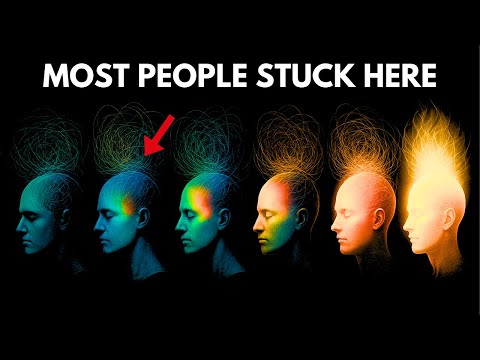
Hey you! So, let’s talk about consciousness for a sec. It’s this wild, multi-layered thing we all experience but rarely think about, right? I mean, one minute you’re wide awake and the next, you’re dreaming away.
Este blog ofrece contenido únicamente con fines informativos, educativos y de reflexión. La información publicada no constituye consejo médico, psicológico ni psiquiátrico, y no sustituye la evaluación, el diagnóstico, el tratamiento ni la orientación individual de un profesional debidamente acreditado. Si crees que puedes estar atravesando un problema psicológico o de salud, consulta cuanto antes con un profesional certificado antes de tomar cualquier decisión importante sobre tu bienestar. No te automediques ni inicies, suspendas o modifiques medicamentos, terapias o tratamientos por tu cuenta. Aunque intentamos que la información sea útil y precisa, no garantizamos que esté completa, actualizada o que sea adecuada. El uso de este contenido es bajo tu propia responsabilidad y su lectura no crea una relación profesional, clínica ni terapéutica con el autor o con este sitio web.
There are these different states of consciousness that can totally change how we feel and see the world. You know, like when you’re super focused at work or drifting off during a boring movie.
It’s kind of trippy when you think about it! What if I told you there are all sorts of examples that show just how varied our minds can be? Let’s explore some concrete examples together—because trust me, it’s gonna get interesting!
Understanding the 4 Altered States of Consciousness: Key Insights and Implications
Altered states of consciousness can be pretty fascinating, right? We spend most of our time in a normal waking state, but there are moments when our minds shift into something different. Let’s dig into four key altered states that people experience and what they mean.
1. Sleep
First up, there’s sleep. Seems simple enough, but it’s more than just resting your eyes. When you sleep, your brain goes through multiple stages, including REM (Rapid Eye Movement) sleep, where most dreaming occurs. You might wake up feeling refreshed after a solid night’s rest, but when you wake up in the middle of a deep sleep cycle? Wow, it’s like pulling you out of another world!
- NREM Sleep: This is the stage before you hit REM. Your body’s slowing down; heart rate drops and muscles relax.
- REM Sleep: This is where the magic happens! You might dream about flying or falling—those wild imaginations happen here.
2. Meditation
Next on the list is meditation. You sit quietly and focus—kind of like leveling-up in a game where you boost your skills! People often report a feeling of being deeply relaxed or even transcendent during meditation. It can help reduce stress and lead to better focus in daily life.
You know how in some games you find hidden areas or secret levels? Sometimes during meditation, your mind will wander to those «hidden» thoughts or emotions you’ve tucked away. Pretty neat!
3. Hypnosis
Hypnosis tends to have this mysterious vibe around it! Some folks think it’s just for stage acts or shows—like when someone clucks like a chicken—but it’s so much more than that! It’s actually an altered state where you’re super open to suggestions.
During hypnosis, people can recall memories they might not consciously remember or even alter negative behaviors. People sometimes use it for things like quitting smoking or managing anxiety—definitely not a magic trick but rather a helpful tool.
- Induction Techniques: Things like guided imagery or relaxation techniques can get someone into that hypnotic state.
- Cognitive Behavioral Hypnotherapy: A mix of hypnosis and therapy techniques; it helps with anxiety and phobias!
4. Flow State
And then there’s that elusive “flow state” we all crave while doing something we love—like gaming or creating art! It’s when you’re fully immersed in an activity, losing track of time as if everything else fades away.
Ever been so caught up in playing a game that hours felt like minutes? That’s flow! You feel energized yet calm at the same time; it’s this beautiful balance between challenge and skill… Almost like riding an emotional rollercoaster where every twist adds more excitement!
All these altered states have implications on how we experience life—they affect everything from creativity to our emotional well-being.
So yeah, being aware of these shifts in consciousness can really help us understand ourselves better and improve our overall mental health! But remember: while this info can be enlightening, if you’re grappling with deeper issues related to consciousness or mental health, chatting with a professional is definitely recommended. You’re not alone out there!
Concrete Examples of States of Consciousness in Psychology: Understanding Different Mental States
So, let’s chat about states of consciousness in psychology. You know, our minds are like a rollercoaster of experiences and feelings. We shift through different mental states all the time—sometimes we’re alert, other times we might even zone out. It’s pretty fascinating stuff!
First off, think about **awake consciousness**. This is our everyday state when we’re fully aware and engaged with the world around us. You’re probably in this state right now, reading this and processing what I’m saying. Here, you can think clearly, make decisions, and interact with people.
Then there’s **sleep**, which is another key state of consciousness. During sleep, your body is resting but your brain is still busy! You go through various stages of sleep—like REM (Rapid Eye Movement) where you dream—and non-REM sleep that helps you recharge physically and mentally.
Now let’s talk about something more intriguing: **altered states of consciousness**. This encompasses anything that alters your normal waking state. Ever heard of meditation? When you’re deep in thought or focus during meditation, you slip into an altered state where time kinda goes out the window! It’s relaxing but also revitalizing.
Another example would be **hypnosis**. Some folks can enter a trance-like state where they become highly focused while being more open to suggestion. It’s not magic but rather a deeply relaxed form of concentration! Picture it like being so into a video game that nothing else matters for a while—you’re completely absorbed.
And then there’s the whole realm of **substance-induced states**—like what happens when someone uses alcohol or drugs. These can drastically shift perceptions and emotions; some folks feel euphoric or relaxed while others might experience anxiety or paranoia. It’s like gaming on hard mode when you really just wanted easy!
Also important to mention are **dream states**, which happen when you’re sleeping—specifically during REM sleep! Dreams can be bizarre journeys through your subconscious mind. Sometimes they reflect what you’ve been thinking about or feeling during waking hours; it’s a peek behind the curtain of your psyche!
- Awake Consciousness: Fully aware and engaged.
- Sleep: Vital for recovery; involves several stages.
- Meditation: A calming altered state focused on mindfulness.
- Hypnosis: Increased focus that opens you up to suggestions.
- Substance-Induced States: Changes in awareness due to drugs/alcohol.
- Dream States: Subconscious mind in action during sleep.
Remember though, exploring these states shouldn’t replace reaching out for help if you’re struggling with anything serious or overwhelming! Mental health is no joke—it’s totally okay to chat with someone who knows their stuff if you need support.
So there you go! Different mental states can really change how we experience life each day—from being awake and aware to dreaming away at night. Each one plays a part in who we are as people! Isn’t it cool how complex our minds are?
Understanding the 7 States of Consciousness: A Comprehensive Guide
Okay, let’s chat about the different states of consciousness. This might sound a bit technical, but hang with me! Each state has its own quirks and qualities. You’ll see how they pop up in your daily life, which is really kind of cool.
1. Waking Consciousness
This is where we spend most of our time—when you’re awake and alert. You know, going about your day, talking to people, scrolling through social media… all that jazz. When you’re fully aware of your surroundings and can think critically, you’re in this state.
2. Sleep
Now, sleep isn’t just one bland state; it’s a whole world of its own! Within sleep, there are stages: light sleep, deep sleep, and REM (Rapid Eye Movement) sleep. The crazy thing about REM? That’s when dreams happen! You’re not fully aware during this state but still experience some funky stuff like dreaming about flying or running away from a giant pizza!
3. Altered States
These can happen from things like meditation or deep relaxation techniques. It’s when your mind shifts into a different mode—like that zen moment after yoga when everything feels just right. You might feel super connected or oddly detached from the world.
4. Hypnosis
Hypnosis is like diving into the deeper end of a pool while still being aware of the surface. People can use it for various purposes—like giving up smoking or improving their focus on a specific task in a game! It’s when your mind becomes ultra-suggestible.
5. Coma
This state is pretty serious—it’s when someone doesn’t respond to their environment at all for an extended period. Their brain might still be functioning to some degree, but they aren’t conscious as we typically think about it.
6. Near-Death Experiences (NDEs)
These are super intriguing and often reported by people who have come close to death…or actually died for a moment! They often describe sensations like floating above their bodies or moving through tunnels filled with light.
7. Dreaming
Dreaming deserves its own spotlight because it operates on such a different wavelength than waking consciousness! Ever wake up from a dream where you felt real emotions? That’s your subconscious kicking in!
And just to give you an idea how these states play out in more everyday terms: let’s say you’re playing video games late at night (you know that feeling?). When you’re intently focused on the game—totally immersed—that’s sort of an altered state; you lose track of time and reality while defeating monsters or racing cars.
All these states show just how flexible our minds are! It’s pretty wild to think about how sometimes we move between these without even realizing it—like waking up groggy and still half-dreaming only to remember we need coffee instead of fighting dragons in our dreams.
But remember, if you ever feel confused about your consciousness or experience something unsettling related to it, don’t hesitate to reach out for professional help—it matters big time!
So yeah, all these states allow us to experience life in unique ways—each having its own importance depending on what we’re going through at any given moment.
You know, when you think about your own state of consciousness, it’s kind of mind-blowing. I mean, one moment you’re fully aware and engaged, and the next, it’s like you’re drifting in a daydream or lost in thought. There’s so many different levels to this whole thing called consciousness.
So let’s start with the basics. You have your normal waking state, right? That’s when you’re going about your day – chatting with friends, working on that project, or binge-watching your favorite show. You’re aware of your surroundings and can interact with the world. But then there’s that moment when you zone out during a lecture or a meeting. Know what I mean? It’s like you’re physically there but mentally…poof! You’ve checked out.
I remember sitting in a class once where the professor was just droning on and on about some complex math formula. Seriously! My mind wandered off to what I wanted to have for dinner—pizza because pizza is always a solid option. That’s just one example of how consciousness can shift without us even realizing it.
Then there are those moments of heightened awareness, like when you’re super focused on something – say you’re playing your favorite video game or really getting into an art project. Everything else fades away; it’s just you and whatever you’re doing. That’s what people often call the “flow state.” It’s exhilarating, almost like being in a different world for a bit.
Oh! And let’s not forget dreams. Wow! Those can be intense too! Sometimes they feel so real that when you wake up, it takes a minute to readjust to reality. Ever woken up from a dream feeling all sorts of emotions? I remember dreaming about finding my childhood home again after years—felt so vivid that I was actually sad when I woke up!
But here’s where it gets really interesting: altered states of consciousness through meditation or other practices can open up whole new realms in our minds too! Take meditation classes for instance — people sit down and clear their minds. At first it might be tough — like wrangling cats trying to keep thoughts from racing around— but once they break through that noise? There is this profound sense of peace that sometimes comes over them; almost like they’ve stepped into another dimension!
And we’ve got sleep as well; it’s not just downtime—it’s essential for processing our thoughts and emotions! You ever wake up feeling completely refreshed after an amazing night’s sleep? That clarity afterwards is something special.
All in all, our states of consciousness are pretty dynamic and fascinating if we take time to notice them. From daydreaming during boring moments to experiencing deep concentration or vivid dreams at night—it all shapes how we perceive life around us and ourselves within it! So yeah, next time you’re zoning out or hitting that flow state while cooking; maybe take a moment to appreciate how cool our minds really are!


