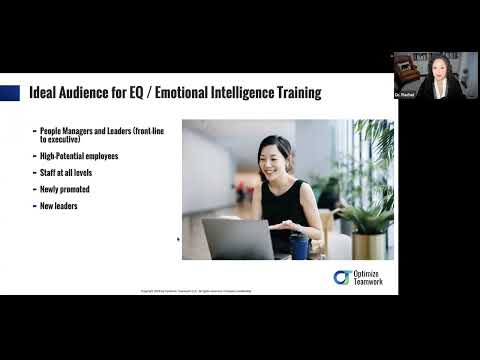
Hey there! So, you ever feel like people just get in the way at work? Yeah, me too. It’s wild how emotions can toss a wrench in your plans.
But here’s a thought: what if you could actually use those emotions? Seriously! That’s where emotional intelligence comes into play.
Este blog ofrece contenido únicamente con fines informativos, educativos y de reflexión. La información publicada no constituye consejo médico, psicológico ni psiquiátrico, y no sustituye la evaluación, el diagnóstico, el tratamiento ni la orientación individual de un profesional debidamente acreditado. Si crees que puedes estar atravesando un problema psicológico o de salud, consulta cuanto antes con un profesional certificado antes de tomar cualquier decisión importante sobre tu bienestar. No te automediques ni inicies, suspendas o modifiques medicamentos, terapias o tratamientos por tu cuenta. Aunque intentamos que la información sea útil y precisa, no garantizamos que esté completa, actualizada o que sea adecuada. El uso de este contenido es bajo tu propia responsabilidad y su lectura no crea una relación profesional, clínica ni terapéutica con el autor o con este sitio web.
Imagine navigating through office drama or a tough meeting with ease. Sounds pretty cool, right? Well, it’s all about understanding yourself and the folks around you.
Emotional intelligence isn’t just some fancy buzzword. It could be your secret weapon for business success. So come on, let’s chat about how you can level up your game!
Enhancing Business Success Through Emotional Intelligence Skills in the Workplace
Hey there! Let’s chat about how emotional intelligence can seriously boost business success in the workplace. It’s not just another buzzword; it’s about understanding and managing your own emotions and those of others, which can totally change the dynamics of any team.
First off, what is emotional intelligence (EQ)? It basically consists of a few key skills:
- Self-awareness: Knowing your own feelings and how they affect your thoughts and actions.
- Self-regulation: The ability to manage your emotions. Think before you react!
- Motivation: Having an inner drive that pushes you to achieve goals, even when things get tough.
- Empathy: Understanding what others are feeling. This isn’t just sympathy; it’s about feeling with them.
- Social skills: Good communication and relationship-building skills that help create a positive environment.
So why does this matter in business? Well, imagine you’re in a meeting and someone gets heated over a project. If you can recognize their feelings (that’s empathy) and manage your response (self-regulation), you could steer the conversation back on track. You see how handy that is?
Let me give you an example. A few years back, my friend started a small marketing agency. He realized pretty quickly that his talented team of designers often clashed over creative differences. So he introduced regular check-ins where everyone could share their thoughts openly. By fostering a space for open communication, he made them feel heard – like they were part of the process. Their collaboration improved dramatically! It was all about emotional intelligence.
Another benefit of EQ is better decision-making. When you’re aware of your emotions, you’re less likely to make knee-jerk decisions based on stress or frustration. You think it through instead! This leads to choices that align with business goals rather than impulsive reactions.
And let’s not forget leadership! Leaders with high emotional intelligence inspire their teams more effectively because they connect on a human level. Their teams trust them because these leaders aren’t just focused on tasks; they care about people too.
Speaking of games, if you’ve ever played something like «Among Us,» you know how crucial communication is for teamwork! Players need to read each other’s vibes – who seems suspicious, who’s genuinely trying to help? This kind of reading between the lines translates well into workplaces seeking collaboration.
Now, if we zoom out a bit, enhancing workplace culture through emotional intelligence leads to higher employee satisfaction. Happier employees are more productive and less likely to leave – win-win!
In summary:
- Emotional intelligence improves communication.
- It enhances decision-making capabilities.
- Cultivates leadership qualities that inspire trust.
- Affects overall workplace satisfaction positively.
So next time you’re working on building or leading a team, consider focusing on these emotional skills! Remember: while we’re talking about improving performance through EQ here, it doesn’t replace professional help if someone is really struggling emotionally at work.
Connecting with people in this way can open doors to greater success than you might have imagined! Just keep practicing those emotional smarts—it’s totally worth it!
The Role of Emotional Intelligence in Enhancing Workplace Collaboration and Productivity
Emotional Intelligence (EI) is one of those topics that can really change the way we interact at work. You might be asking yourself, «What is it exactly?» Well, it’s your ability to understand and manage your own emotions and also recognize the emotions of others. Imagine being in a crowded meeting room where tensions are high. If you can read the room and sense the discomfort in someone’s body language, you’re using emotional intelligence!
Now, let’s break down how emotional intelligence can enhance workplace collaboration and productivity. Here are some key points to consider:
- Improved Communication: When you understand how people feel, you communicate better. You know what to say and when to say it. This makes conversations smoother and misunderstandings less frequent.
- Conflict Resolution: Conflicts are inevitable in any workplace—it’s like stepping on Legos while walking barefoot! But with EI, you can approach conflicts with empathy and understanding, helping to resolve issues before they escalate.
- Enhanced Teamwork: Teams thrive when there’s a sense of trust among members. EI helps build that trust. When team members feel understood and valued, they’re more likely to collaborate effectively.
- Increased Productivity: Employees who feel good about their work environment are more productive. By fostering emotional intelligence, you create a positive atmosphere where everyone feels motivated.
- Better Leadership: Leaders with high EI inspire their teams through empathy and support instead of authority alone. Remember those basketball coaches who know how to pump up their players? That’s what great leaders do!
Let’s look at an example: Think about two project managers running similar teams toward a deadline but with different approaches. One manager doesn’t pay attention to his team’s stress levels; he pushes them hard without considering their feelings. The other manager recognizes when someone is overwhelmed and encourages breaks or check-ins. Which project is likely going to meet its deadline more smoothly? The second one!
Moreover, EI plays a crucial role in adapting to change—something every workplace faces eventually. If leaders show empathy during transitions, employees will be more willing to adapt rather than resist.
And don’t think this only benefits individuals or teams; improved emotional intelligence leads directly towards business success. Companies that prioritize EI often see lower turnover rates because people love working in supportive environments.
All this being said though, emotional intelligence isn’t magic; it requires practice like anything else! You can develop your skills through training or just by paying closer attention to your own emotions and those around you.
So there it is: boosting collaboration and productivity through emotional intelligence makes workplaces much healthier and more effective environments for all involved! Just remember that while improving your EI could lead you toward success, it’s not a substitute for professional mental health help if needed. Maintain balance—your well-being matters too!
Emotional Intelligence in Leadership: Key Strategies for Effective People-Centered Management in the Future Workplace
Emotional Intelligence (EI) is like that secret sauce in leadership that can totally change the game in how teams operate. You might be thinking, why does EI even matter? Well, it shapes how leaders connect with their teams and manage workplace dynamics. So, let’s break this down into some key strategies for effective, people-centered management.
- Self-Awareness: The first step in emotional intelligence is being aware of your own emotions. A leader who knows when they’re feeling stressed or frustrated can manage those feelings better. Imagine a time when you snapped at a colleague because you were having a bad day; if you’d recognized that emotion upfront, maybe you would’ve taken a breath first.
- Empathy: This is huge! It’s about understanding where your team members are coming from emotionally. When you genuinely listen to their concerns or joys, it creates a bond. Think of it like playing The Sims; when you care for your Sims and understand their needs, they flourish! Similarly, employees perform better when they feel understood.
- Effective Communication: Good leaders know how to express their feelings clearly and considerately. This isn’t just about saying what’s on your mind; it’s about choosing words wisely so others feel valued and heard. Picture this: you’re giving feedback to someone on a project; instead of just pointing out what’s wrong, you mix in praises about what they did well first. It softly eases them into the conversation.
- Conflict Resolution: Conflicts will come up in any workplace—it’s just part of working with humans! Emotional intelligence helps leaders navigate these conflicts smoothly by managing emotions and diffusing tension. You know how a referee keeps cool during a heated game? That’s the vibe EI brings into conflict resolution!
- Cultivating Team Spirit: A leader who understands their team’s emotions can foster collaboration easily. Building an environment where everyone feels safe sharing ideas creates synergy among team members. Think about those moments in team sports when trust leads to total teamwork—same principle applies here!
And don’t forget that developing emotional intelligence isn’t an overnight thing—it’s more like leveling up in your favorite game: it takes practice and time to see real growth.
Although these strategies sound great, they won’t replace professional help when needed. If someone on your team is really struggling emotionally or mentally, encouraging them to seek help from mental health professionals is super important.
In the end, boosting business success through emotional intelligence boils down to creating spaces where people feel valued and connected. As workplaces evolve into more remote setups and diverse environments, EI becomes essential for effective management.
So remember, being an emotionally intelligent leader isn’t just about understanding emotions—it’s about building relationships that lead to stronger teams and ultimately better results!
You know, when we think about what makes a business thrive, we often picture things like strategy, market trends, and profit margins. But here’s a thought: what if emotional intelligence (or EQ) plays a bigger role than we realize? I mean, it’s not just about crunching numbers. It’s also about connecting with people.
Take my buddy Sam, for example. He runs a small coffee shop that’s become super popular. You’d think it’s all about the best beans or perfect lattes, right? But no! What really stands out is how he treats his customers and staff. Sam has this incredible ability to read the room. If someone looks stressed, he knows just the right thing to say or do to lighten their mood – like offering an extra shot of espresso on the house or cracking a joke that fits perfectly in the moment. That connection builds loyalty in ways that fancy marketing strategies never could.
So let’s break down why emotional intelligence matters so much in business. First off, it helps in building strong relationships — both with customers and within your team. If you can understand people’s emotions, you’re better equipped to respond appropriately. This creates trust and respect. And guess what? A well-respected leader inspires their team to work harder and feel valued.
But there’s more! Think about conflict resolution too! Ever had that moment where two coworkers clash over something trivial? Pretty awkward, right? Well, having high EQ means being able to mediate those situations calmly and effectively without letting emotions flare up into chaos.
Then there’s empathy. When you genuinely care about your employees’ well-being and understand their struggles (say they’re dealing with family issues or burnout), you can create a supportive work environment that keeps morale high.
Of course, let’s not sugarcoat everything; boosting your emotional intelligence takes effort! It’s like practicing any skill; you grow with experience and dedication—kind of like getting better at making those latte art hearts!
But honestly? The benefits are huge! When everyone feels connected through empathy and positive interactions, it often leads to increased productivity and a sense of belonging. And isn’t that what we all want in any workplace?
So yeah, while spreadsheets and reports are super important (don’t get me wrong), never underestimate the power of emotional connection in boosting business success! In the end, it really is all about people—your people—and how well you connect with them on an emotional level.