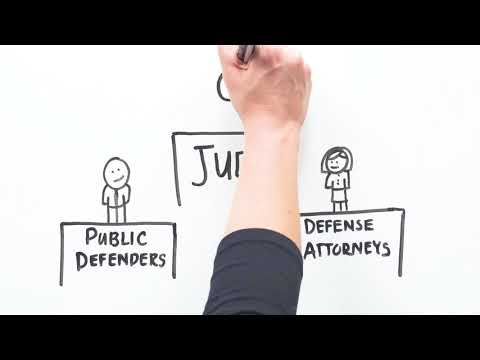
So, picture this: you’re in a courtroom. It’s tense, right? A lot is on the line, and there’s someone up there, doing their best to help out. That’s a prosecution witness for ya!
Este blog ofrece contenido únicamente con fines informativos, educativos y de reflexión. La información publicada no constituye consejo médico, psicológico ni psiquiátrico, y no sustituye la evaluación, el diagnóstico, el tratamiento ni la orientación individual de un profesional debidamente acreditado. Si crees que puedes estar atravesando un problema psicológico o de salud, consulta cuanto antes con un profesional certificado antes de tomar cualquier decisión importante sobre tu bienestar. No te automediques ni inicies, suspendas o modifiques medicamentos, terapias o tratamientos por tu cuenta. Aunque intentamos que la información sea útil y precisa, no garantizamos que esté completa, actualizada o que sea adecuada. El uso de este contenido es bajo tu propia responsabilidad y su lectura no crea una relación profesional, clínica ni terapéutica con el autor o con este sitio web.
These folks play a huge role in criminal trials. They’re the ones who provide evidence and share what they know about the case. But it’s not just about standing there and talking; it’s way more complicated than that.
Sometimes they’re scared or anxious. I mean, who wouldn’t be? Just think of all those eyes on them! In the end, their testimony might sway the whole trial one way or another.
Let’s break it down and see what really happens behind all that court drama!
The Role of the Prosecution in a Criminal Trial: Understanding Its Functions and Psychological Impact
The prosecution plays a crucial role in a criminal trial, acting as the voice of the state or government. Their main job is to prove that the defendant is guilty of the crime charged. This responsibility not only involves legal skills but also a deep understanding of human behavior and psychology.
1. Presenting Evidence: One of the primary tasks of the prosecution is to gather evidence. They collect witnesses’ statements, forensic reports, and any relevant documents. For example, let’s say there’s a burglary case—prosecutors would need to present evidence like fingerprints or surveillance footage to support their case.
2. Building a Narrative: It’s not just about facts; it’s about creating a story that resonates with jurors. The prosecution weaves together pieces of evidence to paint a vivid picture of what happened during the crime. Think of it like telling your friends about an insane video game moment—you’re trying to make it sound as thrilling as it actually was!
3. Cross-Examining Defense Witnesses: When the defense presents its side, prosecutors often have to cross-examine those witnesses. They poke holes in their stories and challenge their credibility, aiming to persuade jurors that their version isn’t reliable.
So why does this matter psychologically? Well, when jurors are presented with conflicting narratives and evidence, they can feel overwhelmed or anxious about making the right decision. You might even think about how you’d react in a game where you had to choose who to trust!
4. Emotional Engagement: Prosecutors also need to connect emotionally with jurors. They use strategic storytelling techniques that evoke empathy towards victims while possibly casting doubt on the defendant’s character or motives.
Consider how much more invested you get in a game when you care about the characters involved! That emotional pull can sway decisions in trials too.
5. Ethical Considerations: An important part of being a prosecutor is upholding justice rather than simply seeking a conviction at any cost. The prosecutor must balance their duty with fairness, which can be quite challenging when they face public pressure for convictions.
Imagine someone rooting for you in a game; sometimes they might want you to win so badly that they overlook some important details! That pressure can distort judgment.
6. The Psychological Aftermath: Working on cases can take an emotional toll on prosecutors themselves—dealing with serious crimes means facing difficult realities daily. They may struggle with vicarious trauma or burnout, much like how gamers feel after intense sessions playing heavy story games.
To sum it all up: the prosecution does more than just push for convictions; they shape legal narratives, manage emotions in courtrooms, and handle significant ethical weight—all while navigating complex psychological landscapes both for themselves and jury members.
And remember, this info aims at giving insight into how prosecutions work but doesn’t replace professional legal advice or psychological support if you ever feel overwhelmed by anything related!
The Role of a Witness in a Criminal Trial: Responsibilities and Psychological Impact
When you think about a criminal trial, the role of a witness might not seem super exciting at first. But honestly, it’s like being a player in an intense game where every move counts. The pressure’s on, and what you say can really change the outcome. So, let’s break down what goes into that role and how it plays out in real life.
Responsibilities of a Prosecution Witness
Being a prosecution witness means stepping onto the field for the side trying to prove someone’s guilt. You have some important duties, including:
- Providing Honest Testimony: Your job is to tell the truth about what you saw or heard. It’s not just any story; it has to be real and detailed.
- Answering Questions: During the trial, lawyers will ask you questions to get clarity on your statement. Think of it as answering quiz questions in school—sometimes tricky!
- Understanding Legal Terms: You might need to learn some legal jargon. Don’t worry if it feels overwhelming; even attorneys sometimes trip over those terms!
But here’s something else: often, witnesses have no preparation for how this all feels. Imagine sitting in a high-stakes game, waiting for your turn while everyone is watching you closely.
The Psychological Impact
Now, stepping into court can be pretty emotional. Just picture yourself confronting the person who caused harm or witnessing a serious crime unfold. The stress isn’t just about speaking in front of people—it can really weigh on your mind!
- Anxiety: Many witnesses experience nerves before taking the stand. It’s that sinking feeling mixed with adrenaline.
- Fear of Misunderstanding: What if your words get twisted? That fear can make anyone second-guess themselves.
- Coping with Trauma: Some witnesses relive traumatic events when they testify. It can feel like hitting replay on a horrible moment.
You know what? I once heard about this guy who had witnessed something terrible late at night—a street fight that escalated quickly. When called to testify months later, he struggled with his memory of events and worried he wouldn’t be believed or understood correctly in court.
The Importance of Support
That brings us to support systems! If you’re ever in this kind of situation—or even know someone who might be—having support matters more than we often realize.
- Therapy or Counseling: Speaking with a professional can help process feelings before and after testifying.
- Sitting with Friends or Family: Having someone familiar nearby during court appearances can ease anxiety.
And though I’m not here to provide professional help (you really should see someone qualified if needed), just having folks around keeps things grounded.
In short, being a prosecution witness is no small feat! You’re stepping into an intense spotlight where everything you say matters. With responsibilities come psychological impacts that are totally normal—if anything, they show how human and important your role is. So next time you hear about courtroom cases, remember those unsung heroes who face their fears for justice!
The Role of the Prosecutor in a Criminal Trial: Understanding Responsibilities and Psychological Influences
The role of the prosecutor in a criminal trial is super important. They have some serious responsibilities that can shape the outcome of a case. Basically, they’re the ones who represent the state or the government against someone accused of a crime. But there’s more to it than just sitting at the front and pointing fingers.
Key Responsibilities of a Prosecutor:
- Case Preparation: Prosecutors gather evidence, interview witnesses, and build a strong case. They need to be detectives in their own right!
- Pleading Bargains: Many cases are settled through plea deals. A prosecutor decides if it’s better to negotiate with the defense instead of going to trial.
- Courtroom Presence: In court, they present evidence and convince jurors that the accused is guilty. This means they have to be persuasive and confident.
- Victim Advocacy: They often support victims during trials, ensuring their voices are heard and protecting their rights.
- Evidentiary Standards: A prosecutor must adhere to strict legal standards when presenting evidence, meaning they can’t just throw in whatever sounds good.
Let’s think about an example for a second. Imagine you’re playing a game like “Among Us.” The way you gather clues and try to convince your friends that someone is suspicious is similar to how prosecutors work! They need to find evidence that points clearly toward guilt, like finding a sketchy player who keeps sabotaging tasks.
Now about those psychological influences—there’s plenty at play here too!
Psychological Influences on Prosecutors:
- Bias Awareness: Just like anyone else, prosecutors can have biases based on personal experiences or societal norms. It’s crucial for them to recognize these biases so they don’t affect their judgment.
- Cognitive Load: Handling multiple cases can be overwhelming, which might lead them to miss important details or rush decisions. Think about studying for finals; sometimes you blank out on what you know!
- Moral Responsibility: The weight of sending someone away for years can really hit hard emotionally. Balancing justice with compassion isn’t always easy.
So what does this mean for prosecution witnesses? Well, witnesses are key players in this whole drama! Their testimonies help paint a clearer picture for everyone involved. Often times they’re genuinely trying to help establish the truth but may feel pressure knowing how vital their words are.
This interplay between prosecution witnesses and prosecutors creates an environment bursting with tension but also possibility for justice—or injustice if things go south!
In your local courthouse or even on TV crime shows, you’ll see these roles play out dramatically. But behind all that noise lies real human emotion and responsibility.
In essence, prosecutors wear many hats: detective, lawyer, advocate… even therapist sometimes! It’s all about ensuring fair trials while keeping in mind the psychological pressures that come with such serious work. It ain’t just a job; it’s about seeking truth while navigating complex human emotions along the way!
You know, when you think about a criminal trial, the first things that usually come to mind are the lawyers and the judge. But there’s another key player in all this drama: the prosecution witness. These folks can seriously affect the outcome of a case. They’re not just standing up there in front of everyone for fun; they play a huge role in helping prosecutors build their case.
Imagine being at a family gathering, and someone decides to tell a story about that wild camping trip you all took last summer. If they nail it and share all the juicy details, everyone is hanging on their every word. That’s kind of what it’s like for prosecution witnesses. Their testimony can either make or break a case.
Think about it: being a witness isn’t easy. You’re thrust into this high-pressure situation where everyone is scrutinizing your words, even your body language! Just last week, I was chatting with a friend whose neighbor was called as a witness for a robbery case. They were so nervous they almost backed out! I mean, who wouldn’t be? You’re up there trying to remember everything while people analyze your every sigh and shift.
The primary role of these witnesses is to provide evidence that supports the prosecution’s claims. They might have seen something crucial or maybe heard something that could change everything. And what’s super important here is that their testimony has to be reliable—not just some random story but factual stuff that stands up in court.
And there’s also this tricky balance they must maintain: being honest while fitting into the prosecution’s narrative without crossing over into biased territory. It can be like walking on a tightrope, where one misstep could land them in hot water—or worse yet, get someone innocent convicted!
So yeah, while we often focus on those flashy lawyer arguments or dramatic courtroom moments (you know what I’m talking about), we shouldn’t overlook these witnesses who bravely step forward to share what they’ve seen or heard. Every word counts when it comes down to justice!