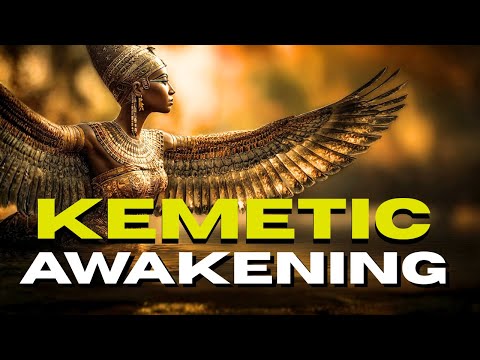
Hey there! Have you ever felt that tug of something deeper inside you? Yeah, that feeling that there’s more to life than just the everyday grind.
Este blog ofrece contenido únicamente con fines informativos, educativos y de reflexión. La información publicada no constituye consejo médico, psicológico ni psiquiátrico, y no sustituye la evaluación, el diagnóstico, el tratamiento ni la orientación individual de un profesional debidamente acreditado. Si crees que puedes estar atravesando un problema psicológico o de salud, consulta cuanto antes con un profesional certificado antes de tomar cualquier decisión importante sobre tu bienestar. No te automediques ni inicies, suspendas o modifiques medicamentos, terapias o tratamientos por tu cuenta. Aunque intentamos que la información sea útil y precisa, no garantizamos que esté completa, actualizada o que sea adecuada. El uso de este contenido es bajo tu propia responsabilidad y su lectura no crea una relación profesional, clínica ni terapéutica con el autor o con este sitio web.
Well, let me tell you about Kemetic spirituality. It’s all about connecting with the ancient wisdom of Egypt. Sounds cool, right?
Imagine tapping into those old principles and practices that can really shift your perspective. You’re not just reading a history book; you’re stepping into a whole vibe.
This journey isn’t just about rituals or beliefs. It’s about finding a rhythm to your life, connecting with yourself and the universe in a way that feels genuine.
Curious? Let’s break it down together!
Practical Steps to Integrate Kemetic Spirituality into Daily Life
Kemetic spirituality, rooted in the ancient Egyptian belief system, focuses on connecting with the divine and understanding the universe’s principles. Integrating this spiritual path into your daily life can be a fulfilling journey. You may find it helpful to explore simple ways to embrace these teachings while staying grounded in everyday experiences.
- Start Your Day with Intention: Begin each morning by setting an intention for the day. This could be a simple affirmation or a prayer to your chosen deity from the Kemetic pantheon. For instance, if you resonate with Ma’at, goddess of truth and order, you might say something like, «I seek balance and truth today.» This sets a positive tone as you go about your day.
- Practice Gratitude: Being thankful is a core principle in many spiritual practices. Write down three things you’re grateful for every evening. Reflect on how they connect to your spiritual journey. For example, if you’re grateful for nature, relate it back to Nut or Geb—sky and earth deities who embody those elements.
- Create a Sacred Space: Designate an area in your home that feels sacred to you—maybe a small altar with images of deities or items that hold personal significance. You can add candles, incense, or crystals that resonate with Kemetic energies. This space will serve as a reminder of your connection to spirituality amidst daily life.
- Engage with Nature: Ancient Egyptians had strong ties to nature and its rhythms. Spend time outdoors whenever possible. Observe the changing seasons and reflect on how they parallel life’s cyclical nature; it’s like playing an open-world game where each season has its own challenges and rewards!
- Meditation and Reflection: Set aside time for meditation daily or weekly—whatever fits your schedule best! Focus on breathing deeply and grounding yourself in the present moment. You might visualize light flowing through your body like the Nile nourishing ancient Egypt or picture yourself standing before the pyramids feeling connected to generations past.
- Study Ancient Texts: Dive into texts such as The Book of Coming Forth by Day (often called The Egyptian Book of the Dead) or other resources on Kemetic philosophy. They offer valuable insights into living harmoniously with divine principles instead of just following rigid rules.
- Rituals and Celebrations: Participate in seasonal celebrations that honor gods and goddesses within Kemetic faith—think about festivals celebrating Nile flooding, harvests, or solar cycles! Consider creating your own rituals at home based around these themes.
- Cultivate Community: Seek out others interested in or practicing Kemetic spirituality too! Whether online forums or local meetups, sharing experiences can deepen your understanding while providing support along this path.
Embracing these steps doesn’t mean abandoning all aspects of modern life; instead it’s about finding harmony between ancient wisdom and contemporary existence! Each practice allows for deeper connection—not only with yourself but also with higher powers around us.
Remember: while these steps are enriching for personal growth in spirituality, they’re not substitutes for professional mental health support if needed. Always prioritize well-being above all else!
Understanding Kemetic Spirituality: A Beginner’s Guide to Ancient Egyptian Beliefs and Practices
Kemetic spirituality is all about embracing ancient Egyptian beliefs and practices. It’s a rich system rooted in the culture that flourished thousands of years ago, and trusting me, there’s a lot to unpack here. So, if you’re curious about connecting with these ancient ideals, let’s break it down into bite-sized pieces.
Origins and Historical Context
First off, Kemetic spirituality comes from “Kemet,” an ancient name for Egypt. The Egyptians had a deep understanding of the cosmos and nature. They practiced rituals that honored their gods and goddesses—think of them as divine beings who influenced different aspects of life. Ra, the sun god, was a big deal! It’s like they were playing this never-ending game where each god represented various elements life.
Core Principles
At its heart, Kemetic spirituality revolves around several key principles:
- Ma’at: This is all about balance and harmony. You’ve probably heard the term “truth” associated with Ma’at. It was crucial for Egyptians to live in line with this principle to maintain cosmic order.
- The Afterlife: They believed strongly in life after death. The concept of judgment after death was common; your heart would be weighed against Ma’at’s feather! If it was lighter, you’d get to chill in the afterlife!
- Divinity in Nature: Everything around us holds divine importance—the sun, stars, rivers—these weren’t just random objects; they were alive with spiritual energy.
- Ancestral Reverence: Honoring ancestors was essential! Your family lineage mattered deeply in this spiritual landscape.
Each of these principles shapes how practitioners live their lives today.
Practices and Rituals
So what do people actually *do*? Well, there are several practices that can help you connect more deeply with Kemetic spirituality:
- Meditation: You know how sometimes you need that quiet moment? Meditation helps clear your mind while letting you tap into inner wisdom.
- Pagan Rituals: Many practitioners perform rituals like offerings to gods or celebrating important festivals like Wep Renpet (the Egyptian New Year). Imagine it like throwing your own personal festival!
- Sacred Texts: Reading texts like the Pyramid Texts or Bouquet of Flowers, can offer insights into ancient wisdom and guide modern practices.
- Your Own Altar: Personal altars are common! You could set up one at home filled with symbols or objects that resonate with you—candles, statues of deities, or even natural elements.
All these actions help create a deeper sense of connection between you and the universe.
Anecdote Time!
I once met someone who shared how creating an altar transformed their space into a sanctuary. They used crystals they picked up on hikes but also included pictures of ancestors—their vibes literally changed! Each time they walked by their altar, they felt this grounding energy reminding them they weren’t alone.
In practice today? Kemetic spirituality invites you to explore things at your own pace! You don’t need any special background or qualifications to begin exploring these ideas—just curiosity!
To clarify—a big emphasis is placed on personal experience rather than following strict dogma. So feel free to weave your unique thread within this beautiful tapestry!
This might sound heavy stuff sometimes; but remember—you can take this journey gently. If you’re feeling overwhelmed or struggling emotionally while exploring any spiritual path (including Kemetic), chatting with a professional might just do wonders for clarity.
You see? Kemetic spirituality isn’t static; it’s alive! It’s about finding what resonates with *you* while connecting back to those age-old beliefs shaped by amazing historical context.
Comparative Analysis of Kemetic Religion and Christianity: Beliefs, Practices, and Psychological Perspectives
When you look into the Kemetic religion and Christianity, you’re diving into two rich traditions that have shaped cultures over millennia. Each offers unique beliefs and practices, and they can even provide intriguing insights from a psychological perspective. Let’s break it down.
Kemetic religion, rooted in ancient Egypt, is all about connecting with the inherent divine in all things. Central to this faith are the principles of Ma’at, which underscore truth, balance, order, and harmony. You can think of it like playing a game where you must keep your character aligned with values to succeed. When followers practice these principles, they’re cultivating personal integrity and community bonds.
On the flip side, Christianity emphasizes a relationship with one God through Jesus Christ. It promotes love, compassion, and forgiveness—think of these as power-ups for your spiritual journey! Believers engage in practices like prayer and worship to nurture this connection. There’s also an emphasis on salvation and life after death which can greatly influence how individuals approach their lives today.
- Beliefs:
- Kemetic beliefs are polytheistic; they recognize multiple deities linked to various elements of life.
- Christianity is monotheistic; there’s one God who exists in three persons: Father, Son, and Holy Spirit.
- Practices:
- Kemetics may celebrate festivals honoring gods like Osiris or Isis, engaging in rituals that highlight nature’s cycles.
- Christians often observe rituals such as baptism or communion which symbolize faith practices and communal identity.
- Psycho-spiritual perspectives:
- Kemetic spirituality encourages self-discovery through meditation and reflection on Ma’at, fostering emotional balance.
- Christianity often provides a sense of hope through faith; many find comfort in community support during tough times.
The two traditions offer profound methods for understanding oneself within a larger universe. For instance, when I was feeling lost during my teenage years—a bit like trying to navigate a tricky level in a video game—I found solace in understanding both perspectives. The idea of living with Ma’at helped me feel more balanced when chaos seemed overwhelming. At the same time, the messages from my friends about loving my neighbor brought warmth and strength.
If you’re thinking about how these religions might apply to your own life or mental health journey (and let’s be real—everyone has their struggles), remember it doesn’t substitute for professional help if you need it. Both paths provide frameworks that could aid personal development but it’s crucial not to rely solely on them when facing serious issues.
Bouncing back to those principles! Whether it’s embracing balance from Kemetic beliefs or nurturing kindness found in Christianity, there’s so much we can learn from each other—and maybe discover something valuable about ourselves along the way!
So there you have it! A glimpse into Kemetic religion versus Christianity through beliefs, practices, and psychology. Each has its own way of helping people connect deeper with themselves and others while navigating life’s challenges. Exciting stuff!
Kemetic spirituality, you know, it’s a fascinating blend of ancient beliefs and practices from Egypt. It’s got this really rich history that speaks to the heart and soul of humanity. When you think about connecting with something bigger than yourself, Kemetic spirituality offers a unique pathway, don’t you think?
So picture this: you’re standing before the Great Sphinx. The air is thick with ancient wisdom. You can almost feel the pulse of civilization in every grain of sand. That’s the kind of connection Kemetic spirituality aims for. It’s about understanding your place in the cosmos and aligning yourself with natural principles.
At its core, there are some principles that really stand out. For instance, Ma’at – that’s all about balance, order, and truth. It’s like a moral compass guiding your actions and thoughts towards harmony. When you start embracing Ma’at in your daily life, wow, it can completely shift how you view relationships and your environment.
And then there’s the practice part! Many people engage in rituals or meditation to connect with deities like Isis or Osiris. I mean, it can be anything from lighting candles to simply quieting your mind and tuning into that inner voice. I remember one time, I tried meditating under a full moon while focusing on my intentions – it was liberating! There was this feeling as if every worry just melted away.
But hey, it’s important to approach these practices with an open heart; respect is key here! These aren’t just trendy spiritual habits; they are deeply rooted traditions that hold meaning for many people today.
In essence, Kemetic spirituality invites you to explore both the outer world of nature and inner landscapes of consciousness. As you journey through practices inspired by this ancient tradition, there will be moments where you’ll feel so connected—not just to yourself but also to everything around you.
And really, isn’t that what we all crave? A sense of connection? So maybe give it a thought; who knows what insights might arise when you open yourself up to these timeless teachings!