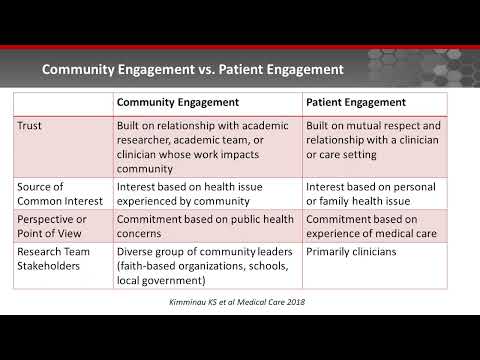
Hey you! Have you ever thought about how the communities around us make decisions?
Este blog ofrece contenido únicamente con fines informativos, educativos y de reflexión. La información publicada no constituye consejo médico, psicológico ni psiquiátrico, y no sustituye la evaluación, el diagnóstico, el tratamiento ni la orientación individual de un profesional debidamente acreditado. Si crees que puedes estar atravesando un problema psicológico o de salud, consulta cuanto antes con un profesional certificado antes de tomar cualquier decisión importante sobre tu bienestar. No te automediques ni inicies, suspendas o modifiques medicamentos, terapias o tratamientos por tu cuenta. Aunque intentamos que la información sea útil y precisa, no garantizamos que esté completa, actualizada o que sea adecuada. El uso de este contenido es bajo tu propia responsabilidad y su lectura no crea una relación profesional, clínica ni terapéutica con el autor o con este sitio web.
I mean, they’re like these living, breathing ecosystems, right? So, what if I told you that there’s a way to involve everyone in research that really impacts them? Sounds interesting?
That’s where community-based participatory research comes in. It’s not just fancy jargon; it’s all about teamwork. Local folks and researchers come together to ask questions, dig into issues, and find solutions that actually work for real people.
Imagine your neighborhood getting a say in something that affects everyone. Pretty cool, huh?
Let’s chat about what this looks like in action!
Comprehensive Guide to Community-Based Participatory Research Principles and Practices (PDF)
Sure, let’s break down Community-Based Participatory Research (CBPR). This approach is all about involving the community in the research process. It’s like getting everyone on board for a group project but with a focus on understanding and solving community issues. So, why is this important? Well, when communities are part of the research, it often leads to better outcomes and solutions that really make sense for them.
Key Principles of CBPR
- Co-learning: Researchers and community members learn from each other.
- Power Sharing: Everyone’s voice matters! Decision-making happens together.
- Trust Building: Relationships between researchers and community members are crucial.
- Sustainability: Solutions should be long-term and rooted in the community’s context.
Take a moment to think about it. Imagine you’re in a video game where you can only win by collaborating with others. Each player’s strengths contribute to completing challenges. In CBPR, that teamwork helps tackle real-world problems.
Practices in CBPR
Now let’s look at some practices used in CBPR:
- Engagement: Involve the community right from the start—like having a brainstorming session before drafting a game plan!
- Cultural Competency: Understand and respect local customs and traditions—think about how each character in your favorite RPG has unique backgrounds!
- Data Sharing: Share findings transparently; everyone should know what is happening.
- Action-Oriented Approaches: Focus on solutions. The goal is change! It’s like leveling up after completing missions.
You know what? When communities see themselves reflected in the research, they feel more invested in the outcomes—which ultimately creates lasting change! Kind of like when you finally beat that tough boss in your favorite game; it feels good!
The Benefits of CBPR
Here are some benefits that come from embracing this approach:
- Empowerment: Community members feel empowered when involved.
- Culturally Relevant Research: Helps ensure that research respects local values and practices.
- Diversity of Perspectives: Different viewpoints lead to comprehensive insights—like mixing up character classes for creative strategies!
In my experience, when communities take charge through CBPR, they often come up with innovative solutions that outsiders wouldn’t have thought of.
Remember though, while this approach is powerful, it doesn’t replace professional help or expertise. It’s more like collaboration rather than sole responsibility. So if you or someone else needs assistance beyond what CBPR can provide, please seek out those professional resources.
All things considered, embracing Community-Based Participatory Research can lead to meaningful changes rooted in actual community needs. This isn’t just an academic exercise; it’s about real lives getting better through genuine partnership!
Understanding the 9 Principles of Community-Based Participatory Research: Enhancing Engagement and Psychological Well-Being
Community-Based Participatory Research, or CBPR for short, is all about working together. Think of it as a group project but with way more heart and purpose. It’s where researchers and community members come together to identify issues, gather data, and make decisions that affect their lives.
Here are the nine principles that guide CBPR:
- Recognizing Community as a Unit of Identity: Communities have unique identities. Researchers need to see them as partners, not just subjects.
- Building on Community Strengths: Every community has assets—skills, resources, relationships. CBPR leverages these to tackle challenges.
- Facilitating Collaborative Partnerships: True collaboration means everyone’s voice counts. It’s about combining knowledge from different backgrounds for better outcomes.
- Trusting Relationships: Trust is crucial. When community members feel safe and understood, they’re more likely to engage meaningfully.
- Cultural Competence: Understanding cultural contexts is key. Researchers should respect traditions and norms while working with communities.
- Co-learning: This isn’t just a one-way street! Both researchers and community members learn from each other throughout the process.
- Sustainability: The goal isn’t just quick fixes; it’s about creating long-term change that lasts even after the research ends.
- Capacity Building: Empowering communities helps them develop skills they need for future challenges. Think of it like leveling up in a game!
- Evolving Ownership: As the research unfolds, ownership of the project should transition to the community. This ensures that solutions are relevant and effective.
Now, I remember when my neighborhood wanted to set up a community garden. At first, it felt overwhelming—who would want to get involved? But then we reached out to local folks who had experience gardening or organizing events. That trust we built changed everything! People shared their ideas and expertise; more importantly, they felt like they were part of something meaningful.
Engaging in CBPR can really enhance psychological well-being too. When you connect with others over shared goals, there’s this boost in hopefulness and positivity! Plus, being part of decision-making can empower individuals and reduce feelings of helplessness.
In case you’re wondering whether this approach is right for your area or situation—it’s always wise to loop in professionals who specialize in community development or psychological support if deeper issues arise.
All in all, applying these nine principles creates an environment where communities feel heard and valued while fostering better health outcomes. It’s teamwork at its finest—like assembling your crew for an epic quest!
Essential Principles and Practices of Community-Based Participatory Research: A Comprehensive PowerPoint Guide
Community-Based Participatory Research (CBPR) is all about bringing people together. It’s a collaborative approach where researchers team up with community members to address local issues. You know, the kind of stuff that really matters to people in their everyday lives.
Core Principles of CBPR
- Collaboration: This means researchers and community members work hand-in-hand. Think of it like a co-op game where everyone has a role to play. Everyone’s input is valued.
- Empowerment: CBPR empowers communities by giving them a voice in the research process. Imagine if your neighborhood had a say in how to solve local problems instead of just being studied.
- Cultural Competence: Understanding and respecting the cultural backgrounds of participants is key. It’s like knowing the rules of a game before you start playing.
- Mutual Benefit: The research should benefit both the community and the researchers. Both sides gain something meaningful, kinda like getting rewards in gaming for achieving goals together.
Key Practices in CBPR
- Building Trust: Trust is fundamental for successful CBPR. Researchers need to spend time getting to know community members, kind of like building friendships before jumping into deeper conversations.
- Inclusive Participation: Everyone should have a chance to participate, especially marginalized voices. It’s crucial that all perspectives are heard—like making sure every player gets their turn in a game!
- Cyclical Process: CBPR is not just one-and-done; it’s ongoing! You gather data, share findings, and then go back to analyze results with the community.
- Sustainability: The aim is for communities to sustain solutions after the research ends. Think about planting seeds for long-term growth rather than just having a one-time harvest.
Anecdotal Insight
Imagine you’re playing an intricate board game with friends, and every move counts! Now picture if some players never got to share their strategies or ideas—it would be frustrating, right? That’s sometimes how communities feel when they’re left out of research projects impacting their lives.
So anyway, when we implement CBPR, it’s kind of like leveling up our own understanding and involvement in community issues —making sure everyone plays along!
In terms of practical examples, think about public health initiatives where researchers partnered with local organizations to tackle issues like obesity or diabetes rates. These partnerships allowed tailored solutions that truly spoke to cultural preferences or needs.
The Bottom Line
CBPR isn’t just another method; it births impactful changes by prioritizing relationships and shared goals over traditional top-down approaches. As you dive deeper into this subject or perhaps consider engaging with your own community project, remember: real collaboration makes all the difference.
And remember—this isn’t professional advice; it’s more about understanding this fascinating approach that bridges communities with knowledge!
You know, there’s something special about the way communities can come together to tackle issues that matter most to them. Community-Based Participatory Research, or CBPR for short, is such a cool approach that really highlights this ethos. It’s all about collaboration between researchers and community members, working hand-in-hand to understand and address local concerns.
Let me share a little story. A friend of mine lived in a neighborhood where they noticed a lot of kids didn’t have access to healthy food options. Instead of just complaining or doing some research in isolation, they gathered parents, educators, and even local business owners to brainstorm solutions together. They didn’t just want data; they sought real stories and insights from the people who lived there. That’s what CBPR is all about—sharing power and respecting local knowledge.
So when we talk principles, there’s some solid stuff at play here. First off, you’ve got the idea of co-learning. Researchers bring their expertise while community members share their experiences and wisdom. It’s like combining two different flavors that somehow create an awesome new dish! You get rich data that’s truly reflective of the community’s reality.
Then there’s the focus on empowerment—helping those involved feel more confident and capable. This isn’t just about collecting data; it’s about creating change together. Imagine if you were part of a group making decisions that directly affect your life! Super empowering!
And let’s not forget sustainability. The goal is to build long-term relationships so that when the project wraps up, the community doesn’t just go back to square one. They carry forward skills and knowledge for future challenges.
But yeah, it isn’t always smooth sailing. Sometimes researchers might struggle with community engagement or miscommunication arises because not everyone speaks the same language – figuratively speaking! And sometimes folks may feel overwhelmed by all this involvement; after all, it takes time and effort!
At the end of the day though, CBPR really shows how powerful collaborative efforts can be in creating meaningful change within communities. When people come together with open hearts and minds—wow! It makes for transformation that goes beyond statistics; it gets into real lives getting better step by step.
So if you’re thinking about diving into this kind of research or maybe even starting a project in your own neighborhood? Just remember: listen closely, value everyone’s voice equally, and be ready for some amazing growth together!