You know how you hear something and it just doesn’t sit right? Like when a news headline grabs your attention, but once you dig a little deeper, it’s not what it seems?
Este blog ofrece contenido únicamente con fines informativos, educativos y de reflexión. La información publicada no constituye consejo médico, psicológico ni psiquiátrico, y no sustituye la evaluación, el diagnóstico, el tratamiento ni la orientación individual de un profesional debidamente acreditado. Si crees que puedes estar atravesando un problema psicológico o de salud, consulta cuanto antes con un profesional certificado antes de tomar cualquier decisión importante sobre tu bienestar. No te automediques ni inicies, suspendas o modifiques medicamentos, terapias o tratamientos por tu cuenta. Aunque intentamos que la información sea útil y precisa, no garantizamos que esté completa, actualizada o que sea adecuada. El uso de este contenido es bajo tu propia responsabilidad y su lectura no crea una relación profesional, clínica ni terapéutica con el autor o con este sitio web.
Yeah, that’s what we’re talking about here. Misleading statistics can really twist your brain in knots. It’s wild how numbers can look legit but actually say something totally different.
Think about it: those graphs that make everything look super dramatic, or the percentages that feel like they’re pulling a fast one on you. It happens all the time!
It’s all about finding out what’s behind the curtain. So, let’s peek behind those numbers and see what they’re really trying to say. You with me?
Examining the Claim: Did 90% of the World’s Data Really Come from the Last Two Years?
So, let’s talk about this massive claim that 90% of the world’s data came from the last two years. It sounds pretty wild, right? I mean, if you think about it, we’ve been collecting data for ages. Since the dawn of civilization, really. But here’s where things get interesting.
First off, what does «data» even mean? We’re not just talking about numbers in spreadsheets—data can include everything from text messages and social media posts to videos, images, and transactional information. Basically, anything you interact with online adds to this growing mountain of data.
Now back to the claim—did 90% of this data really bubble up recently? Well, the statistic is a bit misleading. Here’s why:
- The explosion of digital content: In just a couple of years, platforms like TikTok or Instagram exploded in popularity. Each video or post contributes to a gigantic pool of new data.
- The Internet of Things (IoT): Think about all those smart devices at home—your fridge that keeps track of groceries or your fitness tracker sending daily stats to your phone. Every little interaction adds up!
- Misinformation on social media: With tons of content being shared every second, there’s also an increase in misleading info. This contributes significantly to perceived data growth.
But here’s where it gets tricky: not all those bytes are meaningful. Just because we have tons of new data doesn’t mean it’s useful—or accurate! For example, consider how many times you’ve seen a meme shared that completely misrepresents facts. Sure, it adds to the numbers but does it help anyone?
And speaking of gaming—you must love checking your stats after a session in Fortnite or Call of Duty. All those numbers are generated rapidly with each match which adds up fast! But they don’t represent valuable trends unless we analyze them properly.
What’s really going on is more nuanced than just sheer volume. A lot of what’s recorded now is repetitive noise rather than unique insights or groundbreaking discoveries.
In short, while yes—a significant amount of new data has been generated recently—it doesn’t entirely represent progress or valid information. Much like any good game strategy: it’s not only about having lots of resources but also knowing how to use them wisely.
And remember—you know your own views on statistics. It’s always good to take claims with a pinch of salt and dig deeper into what they’re based on before jumping on any bandwagon!
Understanding the Concept of Statistical Manipulation: Definitions and Psychological Implications
Sure! Let’s talk about statistical manipulation and how it plays into our everyday lives, especially when it comes to interpreting information. It’s all about those numbers that sometimes twist or bend reality, right?
Statistical manipulation is when data is presented in a way that misleads people. You know, like when a friend tells you they totally crushed a game because they beat one level but forget to mention they lost at the others? Yeah, it’s kind of like that!
There are a few common ways this happens:
- Cherry-picking data: This is like using only the best scores from your gaming highlights reel while ignoring all the times you bombed out. It makes things look way better than they actually are.
- Using percentages without context: Imagine if I told you there was a 200% increase in players signing up for a new game. Sounds awesome, right? But what if only two people signed up last week? That’s not so impressive now, huh?
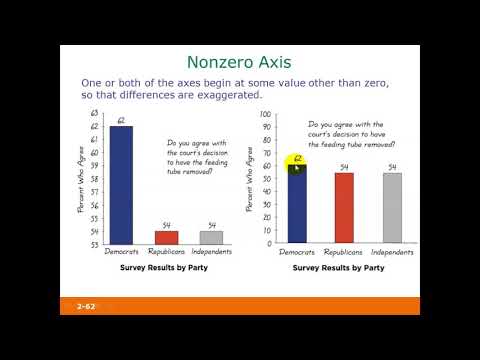
- Misleading visuals: Graphs can be sneaky! If someone skews the y-axis on a graph to make small changes look giant, it’s like making your character look twice as big as it really is for no reason.
- Overgeneralization: Just because one study shows something doesn’t mean it applies everywhere. It’s like saying every player who loves RPG games will love every RPG ever made – not gonna happen!
The psychological implications here can be pretty significant. When people see manipulated stats, they can start forming beliefs based on lies. This can influence everything from how we vote to what products we buy. If someone believes the hype around misleading data, they’re likely to support bad decisions or policies.
Take an example from politics: If a campaign shows flashy graphs demonstrating their economic policies “worked,” yet fails to show other critical factors, voters may latch onto those numbers and ignore real-world consequences.
So how do we combat this? Well, being skeptical of information is key! Always ask questions about where data comes from and how it’s presented. A bit of curiosity goes a long way in avoiding pitfalls.
And here’s something emotional: remember back in school when you worked hard on group projects but only one person’s contributions got credit? That feeling of injustice is similar to what manipulated statistics do—they give credit where it isn’t due and leave important details out of the picture!
In the end, being mindful of statistics helps you navigate through noise and focuses on facts that truly matter. And though conclusions drawn from manipulated data might seem convincing at first glance, you’ve got the power to look deeper and challenge what you’re shown!
Stay curious and keep asking questions!
Understanding Misleading Statistics: Real-Life Examples and Their Psychological Impact
Hey there! Let’s talk about something that might just mess with your head a bit: misleading statistics. You know, those numbers that seem to tell one story but, when you look a little closer, they’re actually saying something totally different? Yeah, it can get pretty wild!
First off, what’s the big deal about statistics anyway? Well, we often think of numbers as cold hard facts. But in reality, they can be twisted and turned depending on how they are presented. They can create biases or shape our perceptions without us even realizing it. Take a moment to think about the last time you saw a statistic on social media. Wasn’t it eye-catching? But was it also giving you the whole picture?
- Example 1: The Ice Cream and Drowning Connection
This is a classic one! Studies show that as ice cream sales increase during the summer months, so do drowning incidents. Sounds pretty scary, right? But hold up! What’s really happening here is that both events happen more frequently in the summer. So instead of concluding that ice cream causes drownings—yikes—what we really should see is that both are influenced by warmer weather.
- Example 2: The Success Rate of New Businesses
You’ve probably heard something like “90% of new businesses fail within their first year!” It sounds dire and makes you wanna steer clear of entrepreneurship. But here’s the kicker: this statistic can mislead you if not explained properly. What happens is that many new businesses don’t get adequate support or planning. You know what I mean? If someone goes into business without proper research and doesn’t consider factors like location or target market, sure—their chances drop significantly.
This psychological impact can be mind-boggling; we might feel discouraged just hearing those alarming figures without understanding the context.
- Example 3: The “X% More Likely” Statement
The way this plays with our minds is interesting for sure! We often get swept up by big numbers without digging deeper into what they mean. And here’s where critical thinking kicks in; if we don’t evaluate and analyze these statements properly, we risk making decisions based on misinterpreted data.
- The Role of Confirmation Bias
You know how sometimes when you’re super into something like gaming? You start noticing every little article or video that backs up your views? That’s confirmation bias at play! When we encounter misleading statistics supporting our beliefs, we’re much quicker to accept them as truth because they align with what we’ve already been thinking.
This tendency not only skews our perspectives but also hinders our ability to see things objectively. Like when someone swears by certain gaming strategies just because one example worked for them but ignores cases where it failed miserably!
- Summing It Up
So basically… misleading stats come at us from different angles—be aware! They can distort our understanding and lead us down the wrong paths if we’re not careful. Whenever you see some impressive number or alarming percentage, take a moment to pause and question its context.
I hope this gives you some food for thought next time you’re scrolling through your feed or reading an article filled with juicy stats! Remember though—even if statistics are confusing or misleading sometimes—getting informed is always better than being left in the dark!
You know what’s kind of wild? Statistics are everywhere. Seriously, just take a look at social media or any news article, and you’ll find a graph or number talking about everything under the sun. But here’s the kicker: not all those numbers are telling the whole truth. Sometimes, they’re stretching things a bit, leaving us scratching our heads or drawing wrong conclusions.
I remember this time I was chatting with a friend about health trends. She shared this stat that said “90% of people who try to lose weight gain it back within two years.” It sounded super alarming and, honestly, kind of discouraging! But then we started digging a bit deeper into where that information came from. Turns out, it was derived from a small study with some major limitations. Like, duh! It’s easy to get swept up in the fear-mongering without stopping to think about the details behind those numbers.
So why do we let ourselves fall for misleading stats? Well, for starters, humans often look for patterns and meaning in chaos—it’s like our brains can’t help themselves! We want to make sense of our world and feel secure in our decisions. And when someone throws out an impressive percentage, it grabs our attention fast—who doesn’t love a good shocking fact?
But let’s break this down a bit more. Sometimes statistics can be manipulated through how they’re presented. You might see something framed as “50% increase in sales,” but have you considered what that actually means? If sales went from 1 unit to 1.5 units, sure it’s an increase but does it mean much? It can all be really sneaky—like that friend who tells you they ran five miles but conveniently leaves out the part where they walked half of it.
Another thing is context—it’s crucial! A statistic can sound outrageous one minute and completely normal when placed in the right setting. If you hear that one in five Americans struggles with mental health issues, that sounds pretty overwhelming until you realize that mental health is way more common than we used to think.
You know what else is interesting? The media plays a big part too; headlines might scream “shocking decrease in literacy rates,” while failing to mention which age group or geographical area they’re talking about. It’s all about grabbing clicks and keeping folks glued to their screens!
Basically, when you come across statistics—especially ones that feel designed to push your buttons—take a breath and dig deeper instead of taking them at face value. Look for the source: are they reliable? What was their methodology? Who funded them? Remember my weight-loss stat saga? A little curiosity goes a long way.
In the end, being savvy with stats not only helps us make better personal choices but empowers us as consumers of information too! So next time those flashy numbers try to catch your attention—pause for just a sec and ask yourself: what’s really going on here?