Hey, you! So, we’re diving into the world of personality types today. You know, those quirky little categories that sometimes make you go “Aha!” or just raise your eyebrows?
Este blog ofrece contenido únicamente con fines informativos, educativos y de reflexión. La información publicada no constituye consejo médico, psicológico ni psiquiátrico, y no sustituye la evaluación, el diagnóstico, el tratamiento ni la orientación individual de un profesional debidamente acreditado. Si crees que puedes estar atravesando un problema psicológico o de salud, consulta cuanto antes con un profesional certificado antes de tomar cualquier decisión importante sobre tu bienestar. No te automediques ni inicies, suspendas o modifiques medicamentos, terapias o tratamientos por tu cuenta. Aunque intentamos que la información sea útil y precisa, no garantizamos que esté completa, actualizada o que sea adecuada. El uso de este contenido es bajo tu propia responsabilidad y su lectura no crea una relación profesional, clínica ni terapéutica con el autor o con este sitio web.
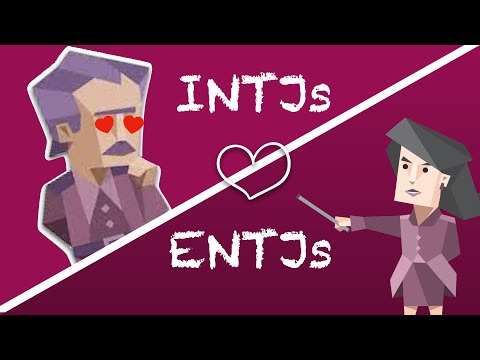
Specifically, we’re gonna chat about ENTJs and INTJs. Seriously, these two types are like best buds but with their own vibes.
Have you ever met an ENTJ? They’re the go-getters—the ones who love to lead and strategize. Now picture an INTJ: the quiet geniuses who strategize in their heads while sipping coffee in a cozy nook. Totally different energies, right?
But don’t worry; we’ll break down the juicy details on how they differ and how they can totally vibe together. So grab some snacks and let’s get into it!
Who INTJs Are Most Likely to Marry: An Insight into Relationship Compatibility
Alright, let’s talk about INTJs and who they typically end up marrying. It’s a fascinating topic because INTJs, being one of the rare personality types, have unique traits that shape their relationships. You know what? They tend to be pretty selective when it comes to partners.
INTJs are known for their strategic thinking and independence. They love deep conversations and often dive into complex topics—like why the latest video game storyline is so moving! But who balances them out well in a relationship?
- ENTJ: These two share a lot of values and traits. Both are logical and driven, which can create a power couple dynamic. The main difference? ENTJs tend to be more outgoing and assertive, making decisions quickly, while INTJs often deliberate before taking action. This can lead to interesting discussions about how they approach life!
- INFP: On the other end of the spectrum, INFPs can provide the emotional depth that INTJs sometimes overlook. Their idealism adds warmth to what might otherwise be a cold logic. Think of an INFP as the character that humanizes your favorite game villain—they find a way to connect deeply.
- ISFJ: ISFJs bring stability and support without overwhelming an INTJ’s need for independence. They’re nurturing helpers who appreciate order—a trait that resonates with INTJ preferences for planning.
- INTP: An INTP matches an INTJ’s intellectual curiosity perfectly! Both enjoy exploring concepts together but can get lost in theory at times—like when you spend hours discussing game mechanics instead of actually playing!
The compatibility here is largely based on mutual respect for each other’s strengths. For instance, while an ENTJ might lead discussions with bold ideas, an INTJ will take their time analyzing those ideas before responding thoughtfully.
However, even with compatible types, every relationship has challenges! Imagine if your favorite game had its glitches—sometimes you just need to patch things up! Conflict might arise from different decision-making styles or communication patterns.
A good strategy for INTJs is focusing on open communication—it’s like playing co-op mode in a game where both players need to sync up to win together. When you understand each other’s perspectives deeply, it can really enhance your connection.
If you’re wondering about actual stats or studies on this stuff? Well, there isn’t concrete data specifically pinpointing marriage rates among these types—it varies greatly based on individual experiences and cultural backgrounds.
Remember though: personality type compatibility doesn’t define the success of a relationship; it’s foundational but not everything! Each person brings their quirks and qualities into play—like choosing characters in a role-playing game—you just have to make it work!
If you’re finding that navigating relationships feels tricky sometimes, talking things through with someone (like a therapist) can be super helpful. They can provide insight tailored specifically for your situation!
So yeah, while there are trends in personality type pairings like those mentioned above, every relationship is unique! I mean connections ultimately boil down to understanding each other’s needs and growing together over time.
Understanding the Romantic Preferences of ENTJs: Who Do They Fall in Love With?
Romantic preferences can really vary from person to person, and if you’re talking about ENTJs, they have some pretty distinctive traits. You know, ENTJs are often seen as the go-getters in the personality world. They thrive on leadership and tend to be confident and decisive. But who captivates their hearts? Let’s break it down!
1. Confidence is Key
ENTJs are drawn to people who match their energy. They’re attracted to partners who display a strong sense of self. If you’re assertive and can stand your ground in a discussion, you’ll definitely catch their eye. You know what’s interesting? They often admire those who can challenge them intellectually.
2. Independence Matters
One thing about ENTJs is they value independence—both theirs and their partner’s. Being with someone who has their own passions and goals? Major plus! It’s like playing a multiplayer game where each player has unique strengths but works towards a common goal.
3. Goal-Oriented Partners
Enticing ENTJs often means embodying ambition and drive. They want someone who’s not just along for the ride but actively pursuing their dreams too! When both partners are focused on growth, it leads to some serious power couple vibes.
4. Emotional Depth
Now, here’s the kicker: while ENTJs might seem all about logic and strategy, they do appreciate emotional connection—just don’t expect them to wear their hearts on their sleeves! They prefer partners who display vulnerability without being overly emotional or dramatic.
5. Compatibility with INTJs
You might wonder about the difference between ENTJs and INTJs regarding romantic compatibility. Well, both types share that penchant for depth in conversation and mutual respect for one another’s ambitions, but there are nuances! While ENTJs enjoy dynamic partnerships filled with activity, INTJs might lean more toward introspective discussions.
And when they come together? Picture an epic team-up in a game! They complement each other well—balancing that extroverted flair of the ENTJ with the introspective insight of the INTJ.
6. In Conclusion…
To wrap this up without sounding too formal (because hey, that’s not my style), understanding an ENTJ’s romantic preferences gives you valuable insight into how they approach love. It’s all about confidence, ambition, emotional depth—and yeah, enjoying good banter while respecting personal space!
In the end though—if you’re navigating your own relationships or trying to understand someone else—remember that this isn’t a one-size-fits-all scenario! Each person is unique; these traits just paint one picture of how an ENTJ might feel love ticking away in their hearts.
And it’s always cool to take what resonates with you while keeping in mind that if things get really complicated emotionally (or otherwise), talking to someone well-trained can truly help!
Key Differences Between ENTJ and INTJ Personalities: A Practical Guide to Identification
When it comes to personality types, you might’ve heard of ENTJs and INTJs. While both belong to the same intuitive and thinking categories in the Myers-Briggs Type Indicator (MBTI), they sure have some significant differences. Let’s break them down, shall we?
First off, know that ENTJ stands for **Extroverted, Intuitive, Thinking, Judging**, while INTJ means **Introverted, Intuitive, Thinking, Judging**. The main difference here is in the first letter: extroversion vs introversion. This shapes how each type interacts with the world around them.
1. Interaction Styles:
– **ENTJs** thrive on social interactions. These folks are energized by being around others and often take charge in group settings.
– **INTJs**, on the other hand, prefer solitary environments to recharge. They tend to be more reserved and introspective.
Imagine a board game night: an ENTJ might be rallying everyone up for a team strategy session while an INTJ could be quietly plotting their next move in a corner.
2. Decision Making:
– When it comes to decision making, **ENTJs** are more likely to take swift action and rally others behind their ideas.
– **INTJs** take their time analyzing options before making choices. They’re strategists who want to understand all angles.
Think about it like a chess game: an ENTJ would be quick to push forward pieces based on confidence and instinct; meanwhile, an INTJ would contemplate several moves ahead before deciding.
3. Goals and Ambitions:
– Both types are ambitious but express it differently. **ENTJs** chase after leadership roles and often aspire to climb corporate ladders.
– **INTJs** focus on personal growth and intellectual mastery, seeking depth over breadth.
It’s like playing two different games—an ENTJ might be playing Monopoly where they aim for control over properties fast; an INTJ could be engaged in Myst or another puzzle-based game where they seek out hidden solutions step by step.
4. Handling Conflict:
– In conflict situations, **ENTJs** can sometimes come off as aggressive or overly assertive since they’re direct and want resolution quickly.
– Conversely, **INTJs** tend to withdraw when faced with conflict; they analyze before responding rather than jumping into heated discussions.
You know what? Think of an intense video game boss fight: an ENTJ fights hard using raw power while an INTJ may take a moment at the start figuring out patterns for success first.
5. Communication Style:
– An **ENTJ’s** communication is often clear-cut; they’re good at getting straight to the point.
– An **INTJ**, however, may prefer subtleties—conveying ideas more indirectly or through clever analogies.
In a conversation about strategies in your favorite multiplayer game: the ENTJ might say directly “We need to flank this area,” whereas the INTJ might suggest “What if we consider alternatives while distracting them?”
All these distinctions matter when you think about compatibility between these two types too! While both enjoy deep conversations and have similar values concerning logic and independence, their approaches can lead to misunderstandings unless there’s solid communication.
And just so you know—while this breakdown helps highlight key differences between ENTJs and INTJs it doesn’t replace professional insights or counseling if you’re looking for deeper understanding or insight about yourself or others around you! Understanding these nuances can really enrich your relationships though—whether you’re friends trying to solve complex puzzles together or colleagues working through projects; knowing each other’s styles helps create harmony!
So there you go! The key differences between ENTJ and INTJ personalities laid out in a way that hopefully resonates with you!
So, have you ever met someone who’s just a natural leader? Like, they walk into a room and suddenly everyone’s paying attention. That’s the ENTJ vibe, and it’s kind of magnetic. On the other side of things, you’ve got the INTJ—those quiet strategists who are plotting world domination in their heads while sipping coffee in the corner. They’re both part of the same personality type family—those *Judging* types—but they express themselves in totally different ways.
When an ENTJ shows up to a meeting, they’re all about action and results. Seriously, you can almost hear their thoughts shouting, «Let’s get this done!» They’re driven, assertive, and can sometimes come off as a bit bossy. One time at work, I saw my friend Lisa (an ENTJ) take charge of a project that was floundering. She didn’t just dive in; she inspired everyone to share ideas and sharpen their focus—I mean wow! Her energy was contagious!
Now flip the coin to an INTJ like Jake. He’s one to think deeply about things before he speaks up. If Lisa’s leading with her heart on her sleeve, Jake’s got a strategy map hidden behind his calm demeanor. He’s got this analytical edge that makes him see connections others might miss—which is super valuable but also can feel cold if you’re not ready for it.
So what about compatibility? Well, these two can actually work really well together if they play to each other’s strengths. The ENTJ can bring out the best in the INTJ by pushing them to share their ideas more openly—and let me tell you that brainstorming session could become legendary! Meanwhile, the INTJ helps ground the ENTJ when they tend to rush into decisions without enough thought or research.
But it can be rocky too. Imagine an ENTJ trying to push forward plans while an INTJ is still stuck ruminating over details—they might hit some serious roadblocks! Really understanding each other’s communication styles is key here.
In relationships or teamwork—be it work or personal life—it often boils down to appreciation and balance. When these two types learn from one another rather than clash over differences, oh boy do they create magic! It’s all about respecting each other’s approach and finding common ground; that way they can build something strong together.
So next time you find yourself chatting with an ENTJ or an INTJ—or are maybe even one yourself—keep those little nuances in mind! You’ll likely discover a whole new layer of depth as both types grow together in friendship or partnership!