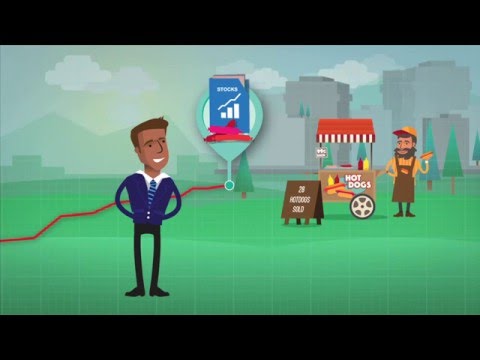
Hey you! Let’s chat about something super interesting today—anchoring bias.
Este blog ofrece contenido únicamente con fines informativos, educativos y de reflexión. La información publicada no constituye consejo médico, psicológico ni psiquiátrico, y no sustituye la evaluación, el diagnóstico, el tratamiento ni la orientación individual de un profesional debidamente acreditado. Si crees que puedes estar atravesando un problema psicológico o de salud, consulta cuanto antes con un profesional certificado antes de tomar cualquier decisión importante sobre tu bienestar. No te automediques ni inicies, suspendas o modifiques medicamentos, terapias o tratamientos por tu cuenta. Aunque intentamos que la información sea útil y precisa, no garantizamos que esté completa, actualizada o que sea adecuada. El uso de este contenido es bajo tu propia responsabilidad y su lectura no crea una relación profesional, clínica ni terapéutica con el autor o con este sitio web.
Ever notice how the first number you hear can totally shape your decisions? Yeah, that’s anchoring bias at play. It’s kind of wild when you think about it!
Imagine walking into a store and seeing a fancy watch priced at a thousand bucks. Suddenly, that hundred-dollar watch seems like a steal, right? That’s anchoring in action!
So, stick around as we unpack this quirky little trick our brains play on us. You might find yourself spotting it everywhere once we break it down together!
Understanding Anchoring: A Real-Life Example and Its Psychological Impact
Anchoring is a super interesting concept in psychology that deals with how our brains tend to rely on the first piece of information we encounter when making decisions. This initial info acts like an anchor, influencing our thoughts and choices, even if that first bit isn’t the best or most accurate. So, let’s break it down a bit.
Imagine you’re out shopping for a fancy new watch. You walk into the store, and you see one priced at $500 right away. Now, even if you spot another one later for $300, your mind is still influenced by that initial $500 price tag. You might convince yourself that $300 is a good deal because it’s cheaper than what you first saw. That’s anchoring in action!
Here are some key points to help clarify this idea:
- Initial Exposure: The first number or fact we see sticks with us.
- Decision-Making: This anchor affects our choices later on.
- Real-Life Impact: It can influence everything from shopping to negotiations.
Now let’s take a look at how this plays out in real life. A classic experiment involved people being asked to spin a wheel of fortune that landed on either 10 or 65. After spinning, they had to estimate what percentage of African countries are part of the United Nations. Those who saw the number 10 estimated much lower percentages than those who got 65! Can you believe how much that initial spin influenced their guesses? That’s anchoring at work again.
Another relatable example might be when you watch game shows like “The Price Is Right.” Contestants often base their guesses on the price of items shown earlier in the game. If they hear one item costs $200, they might think a different item seems relatively cheaper or more expensive based on that price point alone.
But remember, while anchoring can help simplify decisions sometimes, it can also lead us astray! It distorts our thinking and makes us less objective about what we’re evaluating. So next time you’re making choices—big or small—try to recognize those anchors and see if they’re steering your ship where you really want it to go.
In reality though? No psychological concept substitutes real professional help if you’re feeling stuck with your thoughts or decision-making struggles! You know what I mean? All this info should just give you insight into how fascinating and quirky our minds can be!
Understanding Anchoring: Definition and Real-World Example Explained
Have you ever made a decision and then wondered why you chose what you did? Like when you’re shopping and that first price you see sticks in your head? That’s called anchoring bias. It’s all about how we use the first piece of information we get as a reference point, which, honestly, can really mess with our judgment.
So, what’s the deal? Anchoring happens when your brain puts too much weight on the first number or idea it encounters. This initial info acts like an anchor, pulling your thoughts in a certain direction. For example, say you’re buying a used car. If the seller starts with a price of $15,000, even if later they drop it to $12,000, your brain might still think it’s pricey because it started at $15K. Pretty sneaky, huh?
Let’s break this down a bit more. Here are some key points about anchoring bias:
- Influences Decision Making: Whether you’re aware or not, anchors can sway your choices.
- Common in Negotiations: In business deals or negotiations, starting offers often serve as anchors for future discussions.
- Affects Everyday Choices: You probably use anchors when deciding on everything from restaurants to buying clothes.
Here’s an interesting story to illustrate this point: Picture yourself playing Monopoly with friends. You land on Boardwalk but don’t have enough cash to buy it outright. Someone says it usually costs around $500—even though in reality it’s worth less in the game context if someone else is desperate—now that number’s stuck in your head! It might make you feel like paying $400 is actually a good deal. See how that works?
And here’s something cool (or weird) about anchoring: even random numbers can influence us! Researchers found that if people were asked to spin a wheel of fortune that landed on either 10 or 65 and then asked to guess how many African countries are in the UN, their guesses varied significantly based on where that wheel landed! Crazy right? The higher number was like an anchor pulling their guesses up.
To wrap it up: anchoring bias is all around us and can shape our thinking without us even knowing. Remember though—while this info helps explain why we sometimes make strange decisions based on initial figures or ideas, it’s not meant to replace real professional help if you’re struggling with decision-making issues.
So next time you’re faced with choices—be aware of those sneaky anchors lurking around!
Understanding Anchoring Bias: Practical Examples in the Workplace
So, let’s chat about something called anchoring bias. It’s a quirky little thing your brain does when it clings to the first piece of information it hears, which then influences your thinking in ways you might not even realize. Imagine you’re shopping for a new phone, and you see one priced at $999 first. Later, when you find another one for $799, you might think it’s a steal! But if you had seen the $799 phone first, maybe you’d feel differently. Crazy, right?
Now, let’s break this down with some practical examples that could pop up in your workplace.
- Salary Negotiations: During a job interview, if the employer mentions an offer of $70,000 upfront, that figure can act as an anchor for both parties. You might end up negotiating around that number even if your research suggests a typical salary is closer to $80,000.
- Project Deadlines: Imagine your boss tells you to complete a project in 4 weeks. Even if it really should take longer based on workload and complexity, that 4-week mark stays in your mind as the baseline deadline.
- Performance Reviews: When assessing an employee’s performance based on their last quarter or year—if they had one outstanding month early in the year—that achievement might anchor their overall evaluation skewing how their subsequent performance is perceived.
- Bidding Wars: If you’re at an auction and the first item opens at $500, that’s where everyone’s mind settles. Even if others are willing to pay more later on for another item, they often feel pulled back toward that initial anchor.
These examples show just how sneaky anchoring bias can be in everyday situations.
Now let’s talk about why this matters. When you’re aware of anchoring bias—as well as its potential impact—you can start to combat it. If you know someone’s likely stuck on the first number or idea they heard during discussions or negotiations, you can help steer conversations towards more reasonable perspectives.
And here’s where awareness comes into play: try asking open-ended questions during discussions to gather more info rather than sticking with initial ideas thrown out there. This helps shake off those anchors!
To give it more context—think of games like poker or chess. The opening moves can strongly influence how players strategize throughout the game. They latch onto those early decisions and adapt based on them.
In short: our brains love shortcuts but sometimes they trip us up with biases like this one. Just remember: being conscious of what anchors we encounter can lead us towards clearer thinking and better decisions.
In no way does this replace chatting with an expert about any serious concerns or seek professional advice when needed! But having this insight sure gives us all a leg-up in navigating challenging workplace scenarios!
You know that feeling when you’re at a store, and you see something priced at $100 and then find another item marked down to $50? I mean, you’re instantly happier about that second item, right? That’s a classic example of anchoring bias in action. It’s like our brains are hooked on that first number we see.
So basically, anchoring bias is this nifty little trick your mind plays on you. It’s the tendency to rely too heavily on the first piece of information we get when making decisions. That initial info acts as an «anchor,» influencing how we perceive subsequent options. In simple terms, if you hear that someone paid $80 for a steak dinner, when you’re deciding whether to go out for dinner later, even if there’s a really great burger joint where meals are only $30, you might still think it’s too much because of that anchor—$80.
Here’s a quick story for ya! A friend of mine was shopping for a used car and found one listed at $20,000. After some negotiation (and maybe some overthinking), they finally got it down to $15,000. At that moment, they felt like they scored big. But the thing is—had they started looking at cars priced around $12,000 first? They probably would’ve realized that paying $15K wasn’t such a deal after all.
The cool part is anchoring bias isn’t just limited to shopping; it can mess with our judgment in all sorts of situations—like deciding salaries during job negotiations or even how we view relationships based on those “first impressions.” Ever met someone who seemed just okay at first but then totally knocked your socks off later? That initial impression can really skew our feelings about them.
In a nutshell, our brains are wired to cling to those first bits of info we come across. So next time you’re making decisions—whether it’s about what price is fair or which friend you’d rather hang out with—just remember: sometimes you’ve gotta shake off those anchors!