Hey there! You know how sometimes you walk into work and just feel… off? Or maybe, on a good day, everything clicks and you’re totally in the zone? That’s what employee engagement is all about.
Este blog ofrece contenido únicamente con fines informativos, educativos y de reflexión. La información publicada no constituye consejo médico, psicológico ni psiquiátrico, y no sustituye la evaluación, el diagnóstico, el tratamiento ni la orientación individual de un profesional debidamente acreditado. Si crees que puedes estar atravesando un problema psicológico o de salud, consulta cuanto antes con un profesional certificado antes de tomar cualquier decisión importante sobre tu bienestar. No te automediques ni inicies, suspendas o modifiques medicamentos, terapias o tratamientos por tu cuenta. Aunque intentamos que la información sea útil y precisa, no garantizamos que esté completa, actualizada o que sea adecuada. El uso de este contenido es bajo tu propia responsabilidad y su lectura no crea una relación profesional, clínica ni terapéutica con el autor o con este sitio web.
It’s that vibe when people are pumped to be part of a team, but let’s face it, we don’t always hit those high notes. So, I’m super excited to talk about some cool insights from the Peakon Survey.
Seriously, these findings give us a peek into what makes employees tick (or not tick). Whether you’re managing a crew or just trying to figure out your own workplace experience, there’s something here for everyone. Buckle up—let’s unpack this together!
Exploring the Benefits of Peakon Surveys for Employee Engagement and Organizational Growth
So, let’s chat about Peakon surveys and how they can really shake things up when it comes to employee engagement and organizational growth. Seriously, they’re like a cheat code for making workplaces better.
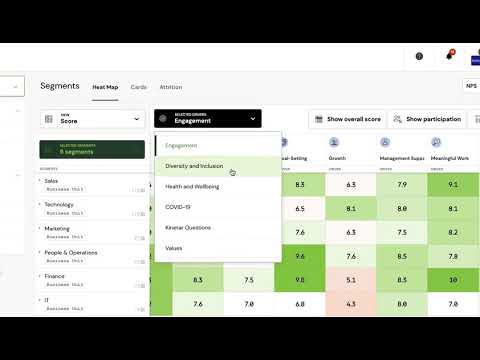
First off, you might be wondering what Peakon surveys even are. Well, they’re online tools that collect feedback from employees about their work life and engagement levels. Think of it as a way to gather real-time thoughts on what’s going well and what could use some improvement. It’s like getting live updates from your team instead of waiting for a yearly review, which—let’s be real—feels ancient at this point.
Now, onto the big benefits.
- Immediate Feedback: These surveys help you catch problems before they spiral out of control. For example, if an employee feels overwhelmed or unsupported, you get to know right away rather than waiting until they’ve checked out completely.
- Anonymous Responses: Because who wants to spill their guts knowing everyone will know? The anonymity encourages honesty. Employees can share their real feelings without fear of repercussions. It’s like playing a game where you have superpowers and no one knows your identity!
- Data-Driven Insights: The results are analyzed in real time, giving organizations valuable insights that can guide decisions. For instance, if a majority feels that communication is lacking between teams, leaders can address this directly instead of guessing what’s wrong.
- Increased Engagement: By regularly checking in on employees’ feelings and needs, you show them that they matter. Imagine playing your favorite video game where the developers constantly updated based on player feedback—it just makes the game more enjoyable!
You can also think of these surveys as a sort of «health check» for the workplace culture. Just like when you go for routine check-ups to ensure everything’s okay with your health, these surveys help ensure that employee satisfaction remains high.
And remember those moments when you got a surprise treat because the team won at something? Peakon surveys can bring that same joy! When leaders act on feedback from employees—like improving break times or recognizing hard work—the entire team often feels more appreciated and engaged.
But hold up! While these surveys are awesome tools for engagement and growth—they don’t replace professional help when dealing with deeper issues in the workplace. If there are serious problems at play (like harassment or severe burnout), those need more direct intervention from HR or trained professionals.
In short, Peakon surveys are powerful for enhancing employee engagement by creating open communication channels while identifying areas for growth within an organization. They’re pretty much like having a map in an adventure game—you get to see where you’re headed but also discover new paths along the way! So yeah, keeping tabs on employee sentiment through these tools is definitely worth it if you’re aiming for an engaged workplace culture!
Understanding the 5 C’s of Employee Engagement: Key Factors for Workplace Motivation and Satisfaction
Employee engagement is a hot topic in many workplaces today. It’s all about how invested and motivated employees feel in their jobs. The 5 C’s of employee engagement provide a framework for understanding what contributes to this sense of involvement. You might be wondering, what are these 5 C’s? Let’s break them down.
- Connection: This refers to the relationships employees have with their colleagues and managers. When you feel connected at work, it’s like being part of a team in your favorite game—everyone plays together, supports each other, and celebrates wins. For instance, think back to your school days when you had that one project partner who made everything fun. That’s the magic of connection!
- Clarity: Employees need to understand their roles and how they fit into the bigger picture. Think of it like playing an RPG where clarity on the mission makes all the difference between winning or losing! When you know what you’re supposed to do, you can focus on your objectives without feeling lost or overwhelmed.
- Contribution: Feeling that your work matters is crucial for engagement. This is similar to feeling like you’re making an impact in a co-op game—every player’s actions contribute to the win! When employees see their efforts lead to positive outcomes, it boosts motivation and satisfaction.
- Culture: A positive work culture fosters high levels of engagement. Just like in a friendly game environment where everyone cheers for each other, a good workplace culture nurtures support and respect among team members. It allows individuals to thrive rather than shrink!
- Challenge: Lastly, employees need challenges that push them beyond their comfort zones but are still achievable—kind of like leveling up in a game! If tasks don’t challenge you at all, it can get boring fast; however, too much challenge without support can lead to burnout.
The insights from Peakon’s survey suggest that these factors play significant roles in driving employee satisfaction and motivation. You know what? When organizations actively promote these C’s, they tend to see lower turnover rates and higher productivity levels.
If you’re feeling unengaged at work or even if you’re just curious about improving things around you—remember these five concepts! Implementing small changes based on them can have lasting effects on how motivated everyone feels.
This information isn’t meant as professional advice; sometimes talking with someone who specializes in workplace dynamics can shed even more light on individual situations. But hey, small adjustments based on understanding these C’s could definitely help create more engaging environments!
Understanding the Importance of Enhancing Employee Engagement for Organizational Success
Employee engagement is like the magic ingredient in the recipe for organizational success. You know how when you’re in a video game, and you’re totally into it – you’re focused, having fun, and working toward that next level? That’s the kind of vibe we want in the workplace! When employees are engaged, they feel connected to their work and motivated to put in their best effort.
According to insights from the Peakon Survey, there are a few key areas where enhancing employee engagement really makes a difference. Let’s break it down:
- Productivity Boost: Engaged employees are often more productive. It’s like playing a game on easy mode when you’re fully invested – everything flows better!
- Lower Turnover Rates: When people feel valued and engaged, they’re less likely to jump ship. Picture playing your favorite game with friends; why would you leave if everyone is having a blast together?
- Improved Employee Morale: A positive atmosphere keeps everyone smiling. Think about how great you feel when teammates cheer each other on – it can totally uplift the entire team!
- Greater Innovation: Engaged employees tend to think outside the box more often. When you’re invested in something, like mastering a new skill or strategy in a game, creativity just flows.
So why does this matter? When companies focus on enhancing engagement levels, they not only see happier employees but also improved overall performance. It’s kind of like when your favorite team practices together; they get better at what they do and ultimately win more games.
Let me share an example: Imagine Sarah. She worked at a tech company where management didn’t seem to care much about her input. As a result, she felt disconnected from her projects and had zero motivation. But after some changes were made—like regular feedback sessions and more opportunities for creativity—Sarah found herself loving her job again! Her productivity skyrocketed, along with her satisfaction levels.
Another interesting takeaway from the Peakon Survey is that feedback loops can be super powerful for keeping employees engaged. Think about doing well in a game because you receive constant guidance; that feedback helps you improve. It’s just as important at work! Regular check-ins can help recognize effort and align individual goals with those of the organization.
Engagement isn’t just about big changes; even small actions can make a difference! Celebrate wins (big or small), provide growth opportunities (like training programs), or simply listen to what your team has to say. Just like leveling up requires practice and dedication, so does fostering engagement!
In short, focusing on employee engagement can lead to positive vibes across your organization—that translates into better results too! While these insights might shine some light on how important it is to enhance engagement among teams, remember that building an engaging workplace is an ongoing journey.
Making progress here won’t happen overnight—it takes time, effort, and most importantly communication between management level teams & everyday employees alike—not unlike strategizing for that final boss battle you’ve been prepping for! So keep those lines open and let’s support each other along the way!
Always remember: while these ideas are rooted in research and observations, nothing beats personalized advice from professionals if you’re facing specific challenges in your work environment.
I was reading through some findings from the Peakon Survey recently, and I have to say, it’s pretty eye-opening stuff. You know how sometimes at work, you just feel like you’re going through the motions? The survey dives into those feelings and offers some insights on why they happen and what can be done about it.
One thing that really stood out to me is the importance of feedback. Seriously, it’s wild how a little acknowledgment can turn a day around. I remember when a manager once told me they appreciated my input during a meeting. Simple words, right? But that tiny boost made me feel so much more engaged with my work! It’s all about those connections we build in our workplaces.
The survey also highlighted how critical it is for employees to feel valued. If you’re in a job where you just don’t feel recognized or appreciated, well, it’s easy to see why motivation might dip. That feeling of being counted can make all the difference in someone’s performance and overall happiness at work.
And here’s a kicker – communication is key! If there’s no clear line of communication between managers and team members, things can get tangled up pretty quickly. Ever had that moment when your boss sends an email with last-minute changes? Yeah, confusion central! Open lines mean employees are way more likely to voice their thoughts or concerns.
Of course, every workplace is different but fostering an environment where people feel engaged takes effort from everyone involved—the managers need to step up too! They’ve got to lead by example and create space for genuine conversations.
So all in all, these insights from the Peakon Survey remind us that employee engagement isn’t just fluff; it really impacts productivity and satisfaction at work. Imagine walking into work every day feeling valued and connected—it sounds dreamy but totally possible with the right attitudes!