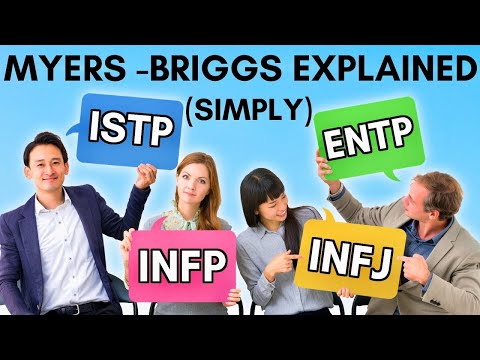
You know what’s cool? Understanding people. Like, really understanding them. That’s where MBTI comes in.
Este blog ofrece contenido únicamente con fines informativos, educativos y de reflexión. La información publicada no constituye consejo médico, psicológico ni psiquiátrico, y no sustituye la evaluación, el diagnóstico, el tratamiento ni la orientación individual de un profesional debidamente acreditado. Si crees que puedes estar atravesando un problema psicológico o de salud, consulta cuanto antes con un profesional certificado antes de tomar cualquier decisión importante sobre tu bienestar. No te automediques ni inicies, suspendas o modifiques medicamentos, terapias o tratamientos por tu cuenta. Aunque intentamos que la información sea útil y precisa, no garantizamos que esté completa, actualizada o que sea adecuada. El uso de este contenido es bajo tu propia responsabilidad y su lectura no crea una relación profesional, clínica ni terapéutica con el autor o con este sitio web.
You might have heard about it. It’s this fun way of categorizing personalities into types. Each type has its quirks, strengths, and well, a few weaknesses too.
Imagine being able to connect with someone just because you know their personality type. Pretty neat, right? You could totally vibe on a different level.
And in groups? Oh man! The dynamics can get super interesting. It’s like watching a game unfold where everyone plays their part.
So let’s chat about what these types mean and how they interact with each other. You’ll see just how fascinating it all can be!
Understanding Type Dynamics in MBTI: A Comprehensive Guide to Personality Interaction
When it comes to connecting with others, understanding personality types can really make a difference. Enter the Myers-Briggs Type Indicator (MBTI). This tool helps you get a glimpse into why you and your friends or coworkers might tick the way you do. It categorizes people into 16 distinct personality types based on four dichotomies. If you’ve ever played a game that involves strategy or teamwork—think “Among Us” or “Overcooked”—you know how different players bring unique strengths and challenges to the table. That’s basically what MBTI explores in real life.
Basically, the MBTI is about these four dichotomies:
- Introversion (I) vs. Extraversion (E): Where do you get your energy from? Introverts recharge alone, while extraverts thrive on social interactions.
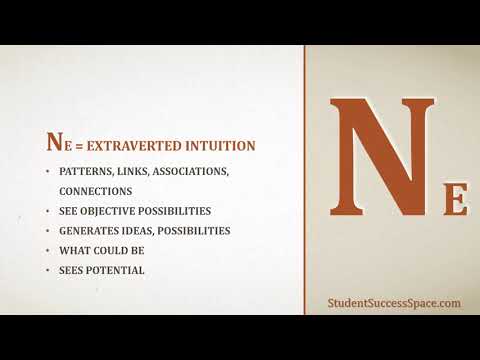
- Sensing (S) vs. Intuition (N): This one’s all about how you take in information. Sensors focus on the present and concrete details, whereas intuitives look at possibilities and patterns.
- Thinking (T) vs. Feeling (F): How do you make decisions? Thinkers prioritize logic and objectivity, but feelers consider personal values and emotions.
- Judging (J) vs. Perceiving (P): Judgers like structure and closure, while perceivers prefer flexibility and openness.
Now imagine you’re in a group project at school or work. You’ve got an introverted thinker who loves data crunching paired with an extraverted feeler focused on team morale. They might clash sometimes—hey, opposites attract but can also repel! Understanding these dynamics helps everyone navigate their differences.
Let’s say you’re an INFP paired with an ESTJ for a project. You love exploring ideas creatively, but they’re all about getting things done efficiently. Conflicts could pop up over how to approach tasks: Do you brainstorm wild concepts first or follow a strict outline? Recognizing each other’s strength can actually turn this clash into teamwork if both parties are open to it!
The beauty of digging into these types is that it encourages empathy—allowing us to see things from another person’s perspective instead of just thinking our way is the only way! And honestly, whether you’re trying to bond with friends or coordinate with colleagues, understanding personalities can help reduce misunderstandings.
So what does this mean for those forming teams? Consider mixing various types for better balance! A diverse group can cover more ground together than one made up of similar personality types alone.
But hey—don’t stress too much! Just because somebody’s type indicates they might prefer certain ways of working doesn’t mean they can’t adapt or learn new styles as they go along.
In groups where people understand each other’s dynamics, you get this awesome synergy: like when characters in RPGs come together with their special abilities for ultimate teamwork! But remember—while MBTI is fun to explore for personal growth and interaction insight, it’s not meant to be a replacement for professional help when it comes to serious issues.
All in all, diving into Type Dynamics within MBTI can enlighten your interactions; just keep things light and flexible—it’s more about understanding than boxing someone in! So next time you feel frustrated by someone’s approach—remember: it could just be their type showing through!
Compatibility of MBTI Personality Types: Which Types Fit Together Best?
So, the MBTI, or Myers-Briggs Type Indicator, is one of those personality frameworks that gets people talking. You know what I mean? It’s like playing a game where you figure out which character you are, and then you see who pairs up best with whom. Each personality type has its quirks and strengths, and when you mix those types together, it creates a unique dynamic.
Now let’s break it down into the compatibility of the types. There are 16 different MBTI types, which come from four pairs of opposites: extraversion vs. introversion, sensing vs. intuition, thinking vs. feeling, and judging vs. perceiving. This combo gives us some pretty cool groups with varying dynamics.
- Extraverts (E) and Introverts (I): They often create a balanced relationship! Extraverts bring energy and social vibes while introverts offer depth and introspection.
- Intuitive (N) and Sensing (S): This pairing can be interesting. Sensing types focus on the here-and-now, while Intuitive folks think about possibilities. If they understand each other’s perspectives, magic can happen!
- Thinking (T) and Feeling (F): This one’s like fire and ice sometimes! Thinkers analyze things logically; feelers rely more on emotions to make decisions. But hey, if they appreciate each other’s approaches? They’ve got potential!
- Judging (J) and Perceiving (P): Again a classic duo! Judgers prefer plans and structure while perceivers love flexibility. If they respect their differences they can learn from one another.
Let’s take an example: my friend Emily is an ENFP—she’s outgoing with big ideas! Her partner Jake is an ISFJ; he’s more reserved yet very nurturing. At first glance, you might think they wouldn’t mesh well because they’re so different! But seriously? They complement each other perfectly—Jake keeps Emily grounded while she inspires him to try new things.
It’s not all sunshine and rainbows though; challenges do arise when certain personalities clash. Like for example:
- The bossy ENTJ could rub the laid-back INFP the wrong way.
- An impulsive ESFP may frustrate a meticulous ISTJ who loves planning.
In both cases, understanding differences leads to healthier communication.
Now keep in mind that while these compatibility insights can offer some guidance in relationships or teamwork situations—you might find that people defy their types! Each person is a bit unique beyond their MBTI label.
Also remember that this kind of info doesn’t replace talking to professionals about deeper issues or serious conflicts within teams or relationships! It’s fun to explore these group dynamics but also take care of yourselves!
So basically? When it comes to connecting through MBTI groups—appreciate strengths and be mindful of challenges. Dive into conversations about your types with friends or partners; you never know what you’ll learn together!
Understanding the 4 Key Group Dynamics in Team Interactions
Group dynamics can feel like a whirlwind sometimes, right? You’ve got different personalities and opinions bouncing around. And when you throw in something like the Myers-Briggs Type Indicator (MBTI), it can really help shed light on how those interactions play out. Here’s the deal: understanding these dynamics can seriously improve your teamwork, whether at work or in a casual setting.
1. Forming
This is where it all begins. Think of it as the awkward first day of school. Everyone’s sizing each other up, trying to figure out who’s who, and what’s what. You might feel nervous and tentative, right? The group is polite but still a bit guarded as members get to know each other’s MBTI types. For instance, an INFP might hang back while an ENFJ takes charge of conversation.
2. Storming
Ah, the storming phase! Here’s where things heat up a bit—like when two players on the same team want to take charge during a game but have very different styles. Here, conflict arises as people start to voice their opinions more vigorously—especially if they’re from opposing personality types in MBTI terms! You know what happens when an ESTP clashes with an ISFJ? It can lead to misunderstandings since they communicate so differently.
3. Norming
Once the dust settles from that stormy phase, groups often enter this norming stage. Just picture a sports team finally finding its rhythm after fighting over strategy! Members start settling into their roles based on their strengths and weaknesses as indicated by their MBTI types. The ESFP might bring energy and creativity while the INTJ keeps everyone focused on long-term goals.
4. Performing
Finally, we reach performing! This phase is like winning that championship game after months of practice—it feels incredible! The group has built trust and respect; they know how to leverage each other’s strengths effectively and tackle challenges together with confidence.
Each MBTI type plays its part; for example, you’ll find that the clear thinkers (like those with a Thinking preference) may focus on logic during problem-solving meetings while Feeling types will prioritize harmony and group cohesion.
So why does all this matter? Understanding these stages in combination with MBTI types helps you build more cohesive teams that really gel together—like having just the right mix of players on your squad: some strong defenders, some speedy attackers!
Remember though: this isn’t a replacement for professional advice or help if you’re facing serious issues within your team dynamics—you might wanna chat with someone qualified if things get rocky!
Being aware of these group dynamics can transform your interactions for the better; it brings clarity not just about how we relate but also about how we can thrive together!
You know, it’s kind of funny how a little four-letter code can create such a buzz among people. I mean, the Myers-Briggs Type Indicator (MBTI) is like this magical portal to understanding ourselves and each other. When you jump into an MBTI group, it feels like entering a unique little universe where everyone speaks the same language but in such different accents.
So, let me share something personal. A while back, I joined this online group focused on MBTI discussions. At first, I thought it would just be some casual chats about personalities. But man, was I wrong! It was intense yet liberating. Imagine a bunch of people with wildly different personality types coming together to share insights and experiences. It was like a buffet of ideas!
There were introverts sharing their thoughts about social anxiety and extroverts opening up about their need for connection—it was eye-opening! You could feel the energy shift at times too; certain types clashed while others clicked instantly. I mean, have you ever been in a room where everyone just gets you? That’s what it felt like at times!
Now, here’s the fun part: these dynamics aren’t just random. Each type has its quirks and traits that shape how they interact with others. For instance, intuitives often think big picture while sensors focus on details—those differences can lead to some surprising conversations! Being an INFP myself, I noticed how my dreamy ideas sometimes met the pragmatic outlook of a fellow ISTJ—totally enlightening.
But guess what? It’s not always smooth sailing in these groups either. Conflicts happen because understanding each type’s perspective requires patience—and sometimes a lot of good humor! It reminds me of trying to assemble furniture without instructions; you can get frustrated or find creative solutions together.
All in all, sharing those moments with others made me realize that despite our differences—or maybe because of them—we connect on deeper levels when we embrace understanding and empathy. So yeah, if you’re curious about personality types or just want to meet cool people who vibe with you differently (or similarly), diving into an MBTI group might just surprise you! Seriously though—give it some thought; you might find your next favorite community there!