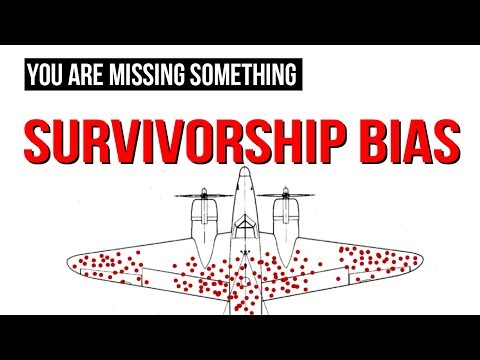
You know that feeling when you see someone totally killing it in their career and you think, “Wow, I want that!”? But then, like, have you ever thought about how many people didn’t make it?
Este blog ofrece contenido únicamente con fines informativos, educativos y de reflexión. La información publicada no constituye consejo médico, psicológico ni psiquiátrico, y no sustituye la evaluación, el diagnóstico, el tratamiento ni la orientación individual de un profesional debidamente acreditado. Si crees que puedes estar atravesando un problema psicológico o de salud, consulta cuanto antes con un profesional certificado antes de tomar cualquier decisión importante sobre tu bienestar. No te automediques ni inicies, suspendas o modifiques medicamentos, terapias o tratamientos por tu cuenta. Aunque intentamos que la información sea útil y precisa, no garantizamos que esté completa, actualizada o que sea adecuada. El uso de este contenido es bajo tu propia responsabilidad y su lectura no crea una relación profesional, clínica ni terapéutica con el autor o con este sitio web.
That’s survivor bias for ya! It’s all about the stuff we often overlook. We focus on the winners and forget about everyone else.
Take a moment to think about your own choices. Have you ever felt drawn to something just because of the success stories? Yeah, me too. It’s like we’re dazzled by the glitz without seeing the whole picture.
Let’s chat about some everyday examples of this phenomenon and how they shape our decisions without us even realizing it. Sound good? Cool, let’s get into it!
Real World Examples of Survivor Bias and Their Psychological Implications
Survivor bias is one of those things that sneaks into our decision-making without us even realizing it. It’s when we focus only on the successful outcomes, ignoring those who didn’t make it or failed. You know what I mean? It’s like cheering for the winning team but forgetting about all the teams that didn’t even make playoffs.
Let’s break this down with some real-world examples:
- The Classroom: You’ve probably heard stories about people who dropped out of school but went on to be super successful, like Steve Jobs or Bill Gates. We see their success and think dropping out is a good idea. But what we don’t see are the thousands of dropouts who struggled and never made it big.
- The Business World: Think about start-ups. You often hear about those that skyrocketed to success, like Airbnb or Uber. It seems easy, right? But for every success story, there are countless businesses that flopped and are hardly ever mentioned. If you’re thinking about launching a start-up, you might overlook crucial lessons from those failures.
- The Fitness Journey: Ever scroll through social media and see only fit bodies? It’s motivating, sure! But those transformation stories often skip over the many who tried diet plans and workouts—only to give up before seeing results. All you’re seeing are the success stories without understanding the effort or struggles behind them.
- The Job Market: When people talk about landing jobs at prestigious companies with little experience, it sounds like anyone can do it! We forget that many others applied without success because they didn’t have a unique angle or were simply overlooked.
Psychological Implications
So, what’s going on in our minds with survivor bias? When we only focus on survival stories, we risk making poor choices based on skewed information. You might feel discouraged if your efforts don’t yield immediate results—comparing yourself to someone else’s highlight reel can really mess with your self-esteem.
You also might take unnecessary risks thinking “Hey, if they can do it, so can I!” This mindset can lead to dangerous decisions in personal finance or health choices because you’re not recognizing the hurdles others faced before reaching their goals.
Let me tell you about my friend Sam here. He started investing after hearing only success stories of friends who doubled their money in stocks within months. He dove right in without doing his homework—and guess what? He lost a bunch because he didn’t see the other side: those who didn’t get rich quick and even lost everything trying.
In short? Survivor bias clouds judgment by highlighting success while erasing failures from our narratives. It’s crucial to recognize this bias so you can make well-informed decisions and avoid getting caught up in unrealistic expectations.
Remember though! If you’re facing big decisions or feeling overwhelmed by comparisons, talking to a professional can really help sort through things. A fresh perspective might just be what you need!
Everyday Examples of Bias: Understanding Common Biases in Daily Life
Bias is something we all deal with, whether we realize it or not. One really interesting example of this is **survivor bias**. It’s a fancy term that essentially means we tend to focus on the people or things that made it through a process while ignoring those that didn’t. In everyday life, this can shape our decisions in some pretty surprising ways.
Imagine you’re watching a reality show, like “Survivor.” You see the contestants who are thriving, making alliances, and winning challenges. But what about the ones who were voted off first? You hardly think about them! That’s survivor bias in action. You might end up thinking that to do well in life, you need to be cutthroat and strategic, just like those top players.
Let’s break this down a bit more:
- Investment Decisions: Some folks invest in stocks based on stories of success—like someone who got rich from Bitcoin early on. They forget about all the people who lost their money because they jumped in too late or didn’t know what they were doing.
- Career Choices: When you hear stories of entrepreneurs who built huge companies from scratch, it’s easy to assume everyone can do it. But for every successful founder, there are countless others who tried and failed but never got media attention.
- Health and Fitness Trends: Think about fitness influencers on social media showcasing their six-pack abs or fit lifestyles. Most people don’t consider how many others struggle with their bodies despite the new diets and workouts they try.
So why does this happen? Well, our brains are wired to notice patterns and stories—especially successful ones! We love a good success story; it gives us hope and motivation. But focusing solely on survivors can lead us astray because we miss critical context: failures along the way.
I remember a friend sharing her business plan with me—she was inspired by success stories she’d read online. I had to gently remind her that behind those shiny success tales are often loads of failures and lessons learned. She really appreciated hearing that perspective because it gave her a more realistic view.
In daily life, being aware of these biases can lead us into making better decisions. Before jumping into something blindly based on glowing examples alone, ask yourself:
- What about those who didn’t succeed?
- Am I considering only part of the story?
- How can I apply lessons learned from both successes AND failures?
All things considered, acknowledging survivor bias can help balance your view as you navigate decisions—whether personal or professional. Remember: Success is often built upon countless missteps we don’t see!
Recognizing these biases isn’t just insightful; it’s also empowering—because once you know they exist, you can actively work against them! Just keep in mind this info isn’t a substitute for professional help if you’re dealing with significant issues; always consult someone trained when needed!
Understanding Bias in Decision-Making: A Clear Example and Its Psychological Implications
Bias in decision-making is one of those sneaky little things that can really mess with our judgment. We all like to think we’re logical beings, right? But the truth is, we often make decisions based on perceptions rather than on reality. One classic example is **survivor bias**, which can lead us to draw conclusions from a selection of successful cases while ignoring those that failed.
So let me lay it out for you. Survivor bias happens when you focus on the people or things that made it, while completely overlooking those that didn’t. For instance, think about a popular TV show like *Survivor*. You see contestants who manage to outwit, outplay, and outlast everyone else, right? But what you don’t see are all the players who didn’t make it past the first few weeks. That’s survivor bias in action!
Here’s why this matters: when we apply this type of thinking to everyday life, we’re likely to overestimate our chances of success if we only consider success stories. Imagine applying for jobs. If you only hear about people landing great gigs without realizing how many applications were rejected beforehand, you might think getting a job is easier than it actually is.
Let’s break this down a bit more:
- Overconfidence: It makes us overconfident in our abilities. If we believe we’ll be successful based on others’ successes alone, we might jump into risky situations without a solid plan.
- Ignoring lessons: When we focus solely on survivors without considering failures, we miss valuable lessons from what went wrong.
- Affecting decisions: This bias can affect big choices like investments or health decisions too. For example, if you only read success stories about stock market winners but ignore those who lost money, you’re setting yourself up for potential disappointment.
To put this into perspective with an emotional touch—think back to high school graduation day. Everyone was so excited about their future plans: some headed off to college while others jumped straight into jobs or travel adventures. And sure, there were plenty of success stories shared at that time! But behind every shiny story was another person who struggled and took time finding their path or even got sidetracked entirely.
So next time you’re making a big decision—be it career moves or personal goals—remember survivor bias may be silently influencing your logic! Instead of just looking at successful outcomes, dig deeper into the whole picture! Seriously; consider the failures too! You’ll get a clearer view and make much smarter moves.
In short: acknowledging survivor bias helps you get real with your expectations and choices instead of living in an illusion bubble. Just remember that while it can be tempting to chase after success stories—it’s crucial not to ignore the reality behind missed opportunities and failures as well.
And hey—you know? Understanding these psychological quirks can better prepare us for whatever life throws at us next!
You know, survivor bias is one of those things that just clicks once you start thinking about it. It’s like, imagine you’re watching a reality show, and everyone’s cheering for the last few contestants, but nobody really talks about all those who were voted out before them. They seem to vanish from the narrative. That’s kind of what survivor bias is all about—focusing on the winners while ignoring those who didn’t make it.
Let’s say you’re in a café, perusing through the menu. You notice that everyone around you seems to be ordering this amazing avocado toast. You might think, “Wow, if everyone loves it so much, it has to be good!” But what if there were ten people who left after getting something else? You don’t see them; they’re not part of the picture anymore. All you’re getting are the success stories—those happy diners munching away on their trendy meals.
I remember a time when I decided to invest some money based purely on success stories I’d heard from my friends. Everyone would rave about these stocks they bought and how they struck gold with their picks! But as I dove deeper into my research (or lack thereof), I realized there were tons of folks who lost their shirts trying similar investments—people whose tales didn’t get told at brunches or in group chats.
So this brings us back to decision-making and how survivor bias creeps into our lives without us even realizing. We tend to look at successful entrepreneurs or innovative tech moguls and think their paths are foolproof. What we fail to see are all those failed startups and countless hours spent trying and failing until they eventually hit it big. It can feel daunting!
The tricky part is that we often rely on these shiny examples because they give us hope—at least that’s what we think! But hey, ignoring the failures can lead us down some pretty shaky paths ourselves. If you only zoom in on winners without thinking about what went wrong for others, you might end up making decisions based on incomplete info.
When you start recognizing this bias in your own life choices—whether it’s investing money or picking which job offers to pursue—you start making more informed decisions. It’s like flipping through a bunch of photos instead of just focusing on one Instagram post that looks good.
So next time you’re faced with a choice—maybe deciding between two job offers or planning your next big adventure—take a step back and consider all angles. Look for the stories behind those who didn’t make it as far as others did; sometimes they have valuable lessons woven into their experiences too!