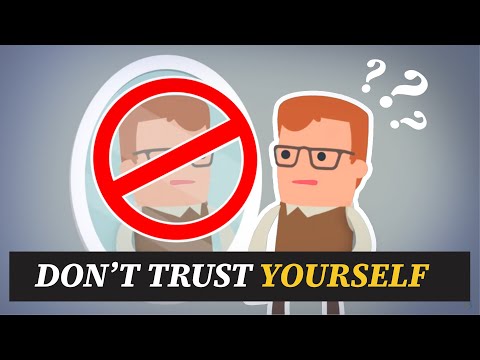
You know how sometimes you just feel drawn to something or someone, but you can’t quite put your finger on why? Like, maybe you chose a particular shirt without thinking much about it, but when you really think about it, it reminds you of a good memory?
Este blog ofrece contenido únicamente con fines informativos, educativos y de reflexión. La información publicada no constituye consejo médico, psicológico ni psiquiátrico, y no sustituye la evaluación, el diagnóstico, el tratamiento ni la orientación individual de un profesional debidamente acreditado. Si crees que puedes estar atravesando un problema psicológico o de salud, consulta cuanto antes con un profesional certificado antes de tomar cualquier decisión importante sobre tu bienestar. No te automediques ni inicies, suspendas o modifiques medicamentos, terapias o tratamientos por tu cuenta. Aunque intentamos que la información sea útil y precisa, no garantizamos que esté completa, actualizada o que sea adecuada. El uso de este contenido es bajo tu propia responsabilidad y su lectura no crea una relación profesional, clínica ni terapéutica con el autor o con este sitio web.
Well, that feeling is part of what we call subconscious bias. It’s like this sneaky little influence that’s always hanging out in the back of your mind.
And here’s the kicker: it affects how we make decisions every day! From picking friends to choosing what to eat or even deciding on who gets hired at work.
So, let’s chat about these unseen influences! They’re more common than you might think and can totally shape our experiences without us even realizing it. I mean, isn’t that kind of mind-blowing?
The Impact of the Subconscious Mind on Decision-Making Processes
The subconscious mind is like an amazing treasure chest hidden within you. It stores all your experiences, feelings, and beliefs, whether you realize it or not. This part of your mind is powerful and plays a significant role in the choices you make every day. It’s not just about the big decisions; even simple ones can be influenced by what’s lurking beneath the surface.
When we talk about subconscious bias, we’re diving into those sneaky patterns of thought that shape our decisions without us being aware of it. You know how you might have a gut feeling about something? That gut feeling often stems from past experiences stored in your subconscious. It’s like a compact version of everything you’ve learned and felt, ready to affect your choices in ways you might not even notice!
- Pattern Recognition: Your brain loves to take shortcuts. For example, if you’ve had positive experiences with a certain brand or person, you’re likely to favor them again in the future. This is your subconscious at work! It remembers those warm fuzzies and nudges you toward making similar choices.
- Stereotypes: We all have stereotypes ingrained in us some way or another. These views can create biases that influence how you perceive people and situations around you. For instance, if you’ve always seen a particular gender in certain jobs on TV shows or games, that imagery can lead to biased decisions about who’s fit for what role.
- Emotional Responses: Emotions are tied to memories stored away deep inside your mind. If something reminds you of a happy time, you’re more likely to go with it. But if it triggers negativity? That decision may be swayed too! Think about choosing an ice cream flavor; if strawberry brings back sweet childhood memories but mint reminds you of a bad day? Strawberry wins!
You may have encountered situations where someone makes a snap judgment based on little information—this is often due to subconscious biases steering their thoughts! Consider video games: players sometimes choose characters based on subtle cues they can’t even articulate fully—like appearance or background—even if they have no logical reason for doing so.
This bias impacts everyday life as well as major decisions, like hiring someone for a job or choosing where to eat dinner. A hiring manager may unintentionally favor candidates who remind them of themselves or their previous successes—unbeknownst to them.
So how do we deal with this hidden force? The good news is awareness! Just knowing that our subconscious can influence us helps open our eyes to these biases and gives us an opportunity to combat them. You can challenge your initial feelings and give more thought before reaching conclusions.
This kind of self-reflection allows for more conscious decision-making rather than relying solely on those quick subconscious judgments that happen without us recognizing it! In other words: take a step back and ask yourself why you’re choosing one thing over another—you might discover something unexpected!
Final thought: Your subconscious mind plays a huge role in shaping who you are and what decisions you make every day. By understanding its impact—and recognizing our inherent biases—we’re better equipped to make choices that truly reflect our genuine desires and goals!
And remember, while this content offers insight into fascinating psychological concepts, it’s crucial not to replace professional help when seeking guidance about personal issues related to decision-making.
Understanding Subconscious Bias: How Unseen Influences Affect Decision Making – Downloadable PDF Guide
Subconscious bias is one of those sneaky little things that can shape our thoughts and decisions without us even realizing it. You know how sometimes you make a choice, and later you think, “Wait, why did I do that?” That’s your subconscious at play. It’s like having an unseen helper in your brain, influencing the way you see the world.
To put it simply, **subconscious biases** are the attitudes or stereotypes that affect our understanding, actions, and decisions in an unconscious manner. They’re basically shortcuts our brains take based on previous experiences or societal influences. So when you’re quick to judge a situation or a person, those biases can be firing off in the background.
Think about a time when you walked into a room and immediately felt drawn to someone who looked like you or shared similar interests. That’s your mind operating on autopilot! These biases can happen with anything—gender, race, age—making it super important to recognize them so we can pause before jumping to conclusions.
Here are some key points about subconscious bias:
- Influence on decision-making: Biases often affect choices in hiring processes or even casual conversations.
- Awareness: The first step in tackling bias is acknowledging its existence; just being aware of it can change how you respond.
- Diversity matters: Surrounding yourself with diverse perspectives can help counteract these biases.
Picture this: You’re picking teams for a game at recess. You might favor friends over others you’ve never chatted with. That’s bias rearing its head! Recognizing why we favor some people over others can lead to fairer decision-making.
This isn’t just about fairness either; it’s also about maximizing potential. When people are overlooked because of unconscious beliefs, society misses out on amazing talent!
And let’s not forget that these unsung biases don’t just hang around; they can change over time too! As we gather new experiences and information, they may shift. So stay curious! Challenge your own assumptions whenever possible.
It’s totally normal to have these biases—we’re all human after all—but if they go unchecked, they might lead us down some pretty unfair paths. The good news is that just like any habit, we can work on them!
In the end, confronting subconscious bias involves self-reflection and growth. If you’re interested in this topic as much as I am (and I hope you are!), take some time to explore it further but remember: This doesn’t replace professional help if you’re dealing with deeper issues related to discrimination or personal growth.
Just stay aware and keep questioning those automatic responses—it’s all part of being more conscious in your interactions with others!
Understanding Unconscious Decision Making: Insights from Psychology and Behavior Patterns
Hey you, let’s dive into the intriguing world of unconscious decision making. It’s all about those sneaky little influences that shape what we choose without us even realizing it. Seriously, your brain is like a game console running a mysterious software in the background.
So, here’s the deal: much of our decision-making happens below the surface. Think about when you’re playing a video game. You know how some choices come naturally while others just don’t feel right? It’s kind of like that! Your subconscious is processing tons of information, guiding you toward decisions based on past experiences and biases.
- Subconscious Bias: This is when you lean towards certain options because of hidden preferences or stereotypes. Like, maybe you always pick the same character in a game because they remind you of someone from your life.
- Emotional Influence: Emotions can totally skew our decisions! Picture being super stressed out after a long day. You might reach for that third slice of pizza without thinking twice, even though earlier you wanted to stick to a salad.
- Social Norms: The people around us can have a big impact on our choices too. If your friends are into a specific genre of music or games, there’s a good chance you’ll vibe with what they like because we want to fit in!
An example that comes to mind is when I attempted to choose between two different video games. One was really popular with my friends, while the other looked cool but was less talked about. My heart said go for the lesser-known game, but my mind echoed my friends’ excitement and enthusiasm for the popular choice—a total bias in action!
This brings us to how these biases can lead us astray sometimes. The tricky part is that we often think we’re making rational choices when we’re not at all! We might believe it’s all logical when really it’s just those underlying currents doing their thing.
- Awareness: Being aware of these biases doesn’t mean you’ll suddenly make perfect decisions; it just means you’re tuning into your thought patterns.
- Diverse Perspectives: Surrounding yourself with different viewpoints can help check those biases at the door—kind of like trying out multiple player roles in games!
- Mindfulness: Practicing mindfulness can be super helpful too! Taking a moment to think before reacting can change your decision-making landscape entirely.
The bottom line? Unconscious decision making is part and parcel of being human, shaped by various unseen influences—your emotions, social circles, and so much more! It doesn’t replace professional help if you feel overwhelmed by your choices or behaviors; reaching out for guidance can be life-changing.
You know what? The more we understand these patterns, the better equipped we are to tackle decisions that genuinely align with what we want—not just what our subconscious nudges us towards!
You know how sometimes you make a split-second decision, and later you think, “Wait, where did that come from?” That’s kind of what subconscious bias is all about. It’s those sneaky little assumptions and beliefs that bubble up from deep within us without us even realizing it. They shape our choices and interactions in ways we might not even be aware of.
I remember once I was at a coffee shop, and I overheard two people chatting. One was dressed really casually while the other had on a suit. Honestly? I assumed the person in the suit was a big shot, maybe someone important. But then they introduced themselves, and the casually dressed guy turned out to be an award-winning author while the suited one was just there for a meeting—nothing special at all! It hit me hard because it made me realize how easily I had let this unconscious bias steer my thoughts.
And it’s not just about first impressions. Subconscious biases can affect hiring decisions, friendships, even how we view strangers on the street. Our brains are wired to categorize things quickly—like sorting books on shelves—and while it’s super efficient, it can lead to some pretty skewed views.
Here’s where it gets deeper: these biases come from our experiences and environment. They’re shaped by culture, media representations, or even familial influences growing up. You might not think you harbor any prejudices or unfair judgments—it seems so out of character—but trust me; we all have them! It’s like believing you’re immune to advertising when really those catchy jingles are stuck in your head.
The trick is becoming more aware of these biases instead of letting them run wild behind the scenes. Maybe next time you’re making a decision or reacting to someone, try to pause for just a second. Ask yourself if there’s more going on than meets the eye—if maybe you’re letting your subconscious play puppeteer again.
So yeah, recognizing these unseen influences can totally change how we connect with each other and make decisions in everyday life! It takes work but hey—you got this!


