Okay, so let’s talk about fear for a sec. You know that feeling when your heart races and you get that weird chill, right? It’s kind of universal.
Este blog ofrece contenido únicamente con fines informativos, educativos y de reflexión. La información publicada no constituye consejo médico, psicológico ni psiquiátrico, y no sustituye la evaluación, el diagnóstico, el tratamiento ni la orientación individual de un profesional debidamente acreditado. Si crees que puedes estar atravesando un problema psicológico o de salud, consulta cuanto antes con un profesional certificado antes de tomar cualquier decisión importante sobre tu bienestar. No te automediques ni inicies, suspendas o modifiques medicamentos, terapias o tratamientos por tu cuenta. Aunque intentamos que la información sea útil y precisa, no garantizamos que esté completa, actualizada o que sea adecuada. El uso de este contenido es bajo tu propia responsabilidad y su lectura no crea una relación profesional, clínica ni terapéutica con el autor o con este sitio web.
But what about those times when someone just looks scared? Facial expressions can be pretty telling. Seriously, they can say more than words sometimes!
Ever noticed how eyes widen and mouths drop open? It’s like your face has its own language. And trust me, it’s super interesting once you start looking for those little signals.
Let’s figure out what fear looks like on someone’s face together. You with me?
Common Facial Expressions of Fear: Understanding Their Psychological Significance
Okay, let’s talk about facial expressions of fear. You know, those moments when someone’s eyes go wide and their mouth opens just a bit? Yeah, that’s not just a coincidence. These expressions tell us a ton about what someone’s feeling deep down.
When we’re scared, our bodies kick into gear. It’s like an emergency alert system! Fear triggers the amygdala, which is a small part of the brain responsible for processing emotions. This can lead to some pretty distinct facial expressions. Here are some key features:
- Widened Eyes: This is probably the most recognizable feature of fear. The eyes open wider to take in more information—like a deer caught in headlights.
- Narrowed Mouth: Sometimes the lips pull back slightly or open up. It’s almost like our instinct is to take in air quickly.
- Brow Furrowing: The forehead creases as if you’re trying to make sense of something unexpected or scary.
- Tension in the Jaw: You might notice clenched teeth—it’s like our body is readying itself for either fight or flight.
A long time ago, I was watching a horror movie with friends—classic scary stuff, jumps out from nowhere kind of deal. I looked over at my friend when something really intense happened, and their eyes were so wide it was hilarious! But then I realized: they were genuinely scared. That expression said it all!
But why do we have such clear signals for fear? Well, it helps with communication. Think about it: if someone sees that look on your face, they might be more likely to help or understand that something’s up. It builds connection without using words.
This also ties into sociocultural aspects. Different cultures might emphasize certain expressions differently, but humans share core emotional responses universally! That’s pretty cool if you think about it.
You can even see these expressions in video games (yeah, you heard me right!). When your character faces danger or surprise—a monster jumps out—their face often reflects terror through exaggerated features (just like real people!). It makes our experience richer and more engaging.
In terms of everyday life, being aware of these signals can improve your emotional intelligence and empathy towards others. If you catch someone displaying these signs, you might want to check in on them—maybe they need support!
To wrap this up: understanding facial expressions related to fear isn’t just interesting; it plays a significant role in how we connect with each other emotionally. But hey, remember this isn’t a substitute for professional help if someone’s struggling with deeper issues around fear or anxiety!
So next time you see those widened eyes or tight jaws—take note! There’s way more happening beneath the surface than meets the eye.
Recognizing Key Features and Signals of Fear in Facial Expressions: A Neuropsychological Perspective
Recognizing fear through facial expressions is fascinating, isn’t it? Our faces can be like open books, giving away our emotions without us even saying a word. When it comes to fear, certain features really stand out. Let’s break down what to look for and how these signals play into our neuropsychological understanding.
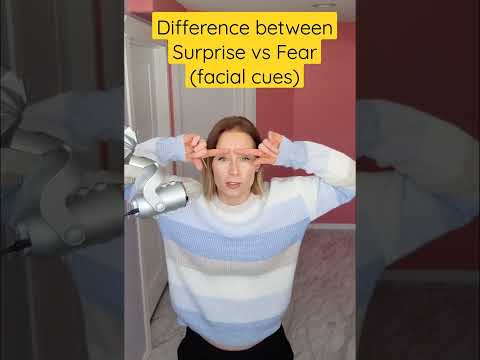
First off, the most obvious element of fear is probably the **eyes**. When someone is scared, their eyes tend to widen—like they’re trying to take in more of their surroundings. The eyebrows may also lift and often draw together, creating that classic “surprised” look. It’s like you’re playing a character in a video game who just encountered a giant spider—total shock mode!
Then there’s the **mouth**. You might notice that when people are afraid, they either open their mouths slightly or tense their lips together. Sometimes you’ll see a quiver or a grimace too. Imagine your pal playing an intense horror game; if they suddenly go quiet with wide eyes and an open mouth, you know something big just happened!
Also, don’t forget about **facial tension**. When someone is fearful, the muscles around the face get tighter. This may affect their jawline or even show up as frowning around the brows. It’s like your friend during a nail-biting scene in a scary movie—they’re totally on edge.
Let’s list some key features that signal fear:
- Widened Eyes: Look for big pupils and lifted upper eyelids.
- Raised Eyebrows: Usually drawn together; this creates horizontal lines on the forehead.
- Tight Lips: Lips might press together tightly or slightly part.
- Facial Tension: Muscles around the mouth and jaw appear tense.
From a neuropsychological standpoint, these expressions are rooted deep within our brains—like sort of an ancient alarm system signaling danger! The **amygdala**, which plays a key role in processing emotions like fear, gets activated when we perceive threats. This activation guides not only how we react but also how we express those feelings on our faces.
And here’s something interesting: studies have shown that humans can recognize fearful expressions more easily than happiness or anger! It’s kind of practical because spotting danger helps keep us safe.
Let’s not forget cultural context though—sometimes expressions can vary between cultures. What one person sees as fear might not read the same way for someone else depending on where they’ve grown up.
Okay, now what about interpreting these signals in everyday life? Say you’re at school or work and notice someone looking really tense with wide eyes—they might be feeling anxious about something happening around them. Or if your mate just froze during a horror game scene with those classic signs of fear—it could mean they’re truly immersed (or totally freaked out).
Ultimately, understanding facial expressions related to fear gives us better insight into human behavior and emotional responses—but remember: it’s just part of reading emotional cues! If you find yourself needing to discuss deeper feelings or anxiety issues from yourself or others, consider chatting with a professional who can help navigate those waters better than I can here.
So keep an eye out for those facial features next time you’re interacting with others—or even watching your favorite shows! You’d be surprised how much we communicate without ever uttering a word!
Understanding the Fear Facial Expression: Psychological Insights and Implications
Fear can really show on our faces, right? You know that classic wide-eyed look or the furrowed brows? Well, those expressions are more than just something we notice in movies or video games—there’s a lot of psychology behind them. Let’s take a closer look at what our face says when fear kicks in.
First off, it’s worth mentioning that fear is one of the basic human emotions. It triggers a reaction that keeps us safe from danger. When you feel threatened, your body releases chemicals like adrenaline. This causes physical changes in your body, and guess what? Your face reflects those changes too!
One main feature of the fear facial expression is **wide-open eyes**. When you’re scared, your pupils dilate to let in more light to see the threat clearly. It’s like how characters in horror games have those huge eyes when a jump scare is about to happen!
Another telltale sign is **raised eyebrows**. This helps increase your field of vision so you can spot danger from different angles. Think of it as a built-in alarm system—it’s meant to help you be on high alert.
There’s also this thing with the mouth—when you’re scared, it often opens slightly or bites down tight. Sometimes people even clench their teeth as if subconsciously preparing for something unpleasant. It can be pretty intense!
Now let’s break down some key points about recognizing these features:
- Wide eyes: Indicates heightened awareness and vigilance.
- Raised eyebrows: Expands peripheral vision; you want to catch everything!
- Slightly open mouth: Prepares for quick reactions—like gasping or screaming.
- Tensed facial muscles: Signals overall tension and discomfort.
What’s interesting is that these expressions are almost universal across cultures! You could travel anywhere and still recognize fear just by looking at someone’s face—it really connects us all.
Now about implications—understanding fear expressions isn’t just for curiosity or fun! It plays huge roles in communication and empathy. Basically, when we notice someone else looking scared, it can trigger a response in us to help them out or also feel uneasy ourselves.
This ability to read fear on someone’s face can even be seen in social situations where people might tense up if they sense someone else’s worry. Ever been in a room where tension was thick enough to cut with a knife? That shared emotional experience often makes people bond over common fears.
In video games like “Silent Hill” or “Resident Evil,” developers use exaggerated facial expressions on characters not just for dramatic effect but also to immerse players into that fearful atmosphere—it makes everything feel real! You actually feel your own heart racing because you’re picking up on those visual cues.
At the end of the day, understanding these signals adds another layer to our interactions with others. While it might be easy to dismiss someone else’s fear as an overreaction, knowing how deeply rooted these expressions are helps us approach others with compassion instead of judgment.
But remember! This info doesn’t replace professional help if you’re dealing with anxiety or intense fears—those feelings deserve special attention from qualified folks who really know their stuff!
So next time you see someone looking frightened, think about what their face might reveal beyond just an expression; there’s a whole psychological world behind that look!
You know, fear is such a wild emotion. It’s this knee-jerk reaction that stirs something deep within us. When you really think about it, our faces can tell a thousand stories without us saying a word. I remember this one time when I was watching a horror movie with friends. There was this jump scare, and you could practically feel the collective gasp in the room. Some of my friends had their mouths wide open, eyes like saucers, while others were just frozen, eyebrows raised high. It was like the whole room turned into an emotion thermometer!
So, let’s talk about fear and how it shows up on our faces. The thing is, when people are scared, certain features start to stand out more than usual. For example, those wide-open eyes? They’re not just for show; they’re our brain’s way of drawing in more information from what’s around us. You know what I mean? When we’re scared, it’s like our bodies are on high alert.
And then there’s the mouth—sometimes it drops open or shuts tight as if to try and hold back words that can’t find their way out. Little things like raising eyebrows or furrowing the forehead can signal we’re in distress too. We often raise our brows when we’re surprised or scared because it lets in more light and helps us see better! Crazy how nature works like that, isn’t it?
But here’s the kicker: not everyone shows fear in the same way! Cultural differences play a huge role here; what might look terrified to one person could be seen as calm by another. Some folks might even try to mask their fear altogether (hello poker face!). So if you don’t see someone freaking out on their face during a scary moment doesn’t mean they’re not feeling like they’ve just encountered a ghost.
Recognizing these signals isn’t just for fun at movies; it helps in real life too. You might notice someone looking tense or restless during an argument or when facing an intimidating challenge at work—those are signs that all is not well beneath the surface!
In the end, being aware of these facial expressions can seriously enhance how we connect with others emotionally. It reminds us that behind every expression is a story waiting to be understood—even if it’s just fear peeking through those eyebrows! So next time you catch someone making “the fear face,” take a moment to appreciate what’s really going on there—it could lead to some deep conversations down the line!