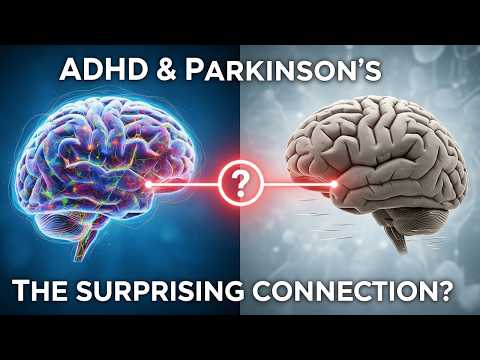
You know what? Life can sometimes throw us some funky curveballs. Like, have you ever thought about how ADHD and Parkinson’s might be connected? It’s kind of wild, right?
Este blog ofrece contenido únicamente con fines informativos, educativos y de reflexión. La información publicada no constituye consejo médico, psicológico ni psiquiátrico, y no sustituye la evaluación, el diagnóstico, el tratamiento ni la orientación individual de un profesional debidamente acreditado. Si crees que puedes estar atravesando un problema psicológico o de salud, consulta cuanto antes con un profesional certificado antes de tomar cualquier decisión importante sobre tu bienestar. No te automediques ni inicies, suspendas o modifiques medicamentos, terapias o tratamientos por tu cuenta. Aunque intentamos que la información sea útil y precisa, no garantizamos que esté completa, actualizada o que sea adecuada. El uso de este contenido es bajo tu propia responsabilidad y su lectura no crea una relación profesional, clínica ni terapéutica con el autor o con este sitio web.
I mean, both conditions can shake things up in different ways. Each has its own set of challenges, but they can also overlap in surprising ways. Seriously, it’s a lot to wrap your head around.
Imagine juggling that—it’s not just about focus or movement; it’s a whole blend of experiences! So let’s explore this together, yeah? There’s definitely more here than meets the eye!
Understanding ADHD and Parkinson’s: Insights from Reddit Discussions
ADHD and Parkinson’s are distinct conditions, but some interesting conversations on Reddit shed light on how they might connect. Let’s break this down, shall we?
Attention-Deficit/Hyperactivity Disorder (ADHD) is typically characterized by symptoms like inattention, impulsivity, and hyperactivity. People with ADHD often struggle with organizing tasks or might feel restless. Imagine trying to concentrate on a game when your mind keeps jumping to every little distraction around you! That’s a bit like what many ADHD folks face daily.
On the other hand, Parkinson’s disease is primarily a movement disorder that results from the loss of dopamine-producing neurons in the brain. Symptoms include tremors, stiffness, and difficulty with balance. So you can see how one condition focuses more on attention and impulse control while the other deals with motor functions.
- Shared Dopamine Pathways: Interestingly, both conditions are linked through dopamine—it’s that brain chemical that affects mood and motivation. In ADHD, it might not be produced in enough quantities or utilized properly; in Parkinson’s, it’s significantly reduced as the disease progresses.
- Cognitive Challenges: Some research discusses how people with Parkinson’s might experience cognitive decline similar to ADHD symptoms like executive function difficulties. So imagine trying to play chess but forgetting your strategy mid-game; that’s what many face!
- Personal Accounts: Reddit has tons of anecdotal stories where individuals share experiences of managing both conditions. One user talked about how their ADHD made coping with Parkinson’s even trickier—a perfect storm of challenges.
The discussions also highlight the importance of proper management strategies. Some folks suggest using reminders or establishing routines to help manage tasks efficiently—like setting up notifications for turn-based games! Routines can simplify things when everything feels chaotic.
You’ll find that these challenges aren’t just physical or cognitive; they can really take an emotional toll too. One Redditor shared how anxiety about their dual diagnosis sometimes felt overwhelming but finding community support made all the difference—kind of like teaming up with friends in a multiplayer game to tackle tough levels together.
Mental Health Considerations: Lastly, mental health interplay is significant here. Living with either condition can lead to anxiety or depression—not uncommon for anyone navigating such complexities. Forums like Reddit become safe havens where people share coping mechanisms and strategies for finding balance in everyday life.
If you’re dealing with these issues—or know someone who is—it’s essential to seek professional help instead of just relying on online discussions. While Reddit can be a fantastic resource for feeling understood and getting tips from peers who’ve been there too, nothing beats personalized advice from healthcare experts!
So yeah, while ADHD and Parkinson’s may seem worlds apart at first glance, those connections make the conversation both challenging and insightful. Whatever you’re facing, remember: you’re not alone!
Understanding the Connection Between ADHD and Parkinson’s Disease: Symptoms, Challenges, and Treatment Options
Alright, let’s jump into the connection between ADHD and Parkinson’s Disease. You might be thinking, “What do these two have in common?” Well, it turns out there are some overlapping symptoms and challenges that can come into play for people dealing with both conditions.
ADHD, or Attention Deficit Hyperactivity Disorder, is often characterized by issues like inattention, hyperactivity, and impulsivity. On the flip side, Parkinson’s Disease is a neurological disorder that primarily affects movement but can also lead to cognitive changes. It’s a whole mix of challenges!
- Cognitive Symptoms: Both conditions can cause difficulties with focus and attention. Imagine trying to concentrate on a video game while the sound is blaring and notifications keep popping up—frustrating, right? That’s similar to what someone with ADHD or Parkinson’s may feel.
- Mood Changes: People with ADHD might experience anxiety or frustration due to their symptoms. Likewise, those with Parkinson’s may face depression or mood swings as they navigate their daily lives. Both experiences can wear a person down.
- Dopamine Connection: Here’s where it gets interesting: dopamine! This neurotransmitter plays a big role in both ADHD and Parkinson’s. In ADHD, we see low levels of dopamine linked to attention issues. And in Parkinson’s, dopamine-producing neurons die off, leading to motor symptoms.
The link between the two disorders doesn’t mean if you have one you’ll definitely have the other. It does indicate that if you’re struggling with either condition—or both—it’s essential for professionals to look at your full picture when creating treatment plans.
Treatment Options: Now let’s chat about how each condition is treated because finding the right balance is key! For ADHD:
- Meds: Stimulants like Adderall or Ritalin are commonly prescribed. They help boost dopamine levels momentarily and improve focus.
- Therapy: Behavioral therapy can help develop coping strategies for managing symptoms effectively.
If someone has both ADHD and Parkinson’s? That adds layers of complexity! In those cases:
- Dopamine Agonists: Medications that mimic dopamine might be used more carefully since stimulating too much could lead to side effects.
- Cognitive Behavioral Therapy (CBT): CBT can be beneficial for managing anxiety or depressive symptoms while focusing on real-life problems.
A personal story here: I once knew a guy named Mark who had ADHD but was diagnosed with Parkinson’s in his fifties. He struggled at first because he often mixed up his meds; sometimes he’d forget them completely—super stressful! With time and support from professionals who understood both conditions, he learned how to manage his routines better. He felt empowered telling his story because it showed others they weren’t alone in their struggles!
This whole situation just highlights why it’s crucial not just to treat one aspect of a person’s health without considering the other. If you find yourself checking off boxes related to ADHD or Parkinson’s—or even both—it might be worth discussing this connection during your next medical appointment!
You know what? Navigating these challenges isn’t easy; it’s okay to ask for support along the way. Just remember that whatever you’re up against shouldn’t define you—it’s just part of your journey!
Exploring the Impact of ADHD Medications on Parkinson’s Disease Management
So, let’s talk about the connection between ADHD medications and Parkinson’s Disease management. You might be thinking, “What’s the link here?”. Well, it’s pretty interesting when you break it down.
First off, ADHD, or Attention-Deficit/Hyperactivity Disorder, is mainly characterized by difficulties with attention, hyperactivity, and impulsiveness. On the other hand, Parkinson’s Disease is a progressive neurological disorder affecting movement control. And even though they seem worlds apart, there’s some overlap that’s worth examining.
Medications for ADHD, like stimulants (Adderall or Ritalin), can help improve focus and concentration in people with ADHD. However, in folks dealing with Parkinson’s too, these medications have a different effect due to the unique brain chemistry involved.
When someone has both conditions—ADHD and Parkinson’s—it can complicate treatment plans. Here are some points to keep in mind:
- Stimulant Side Effects: For some people with Parkinson’s, stimulants can actually worsen symptoms like tremors or anxiety.
- Dopamine Connection: The brain uses dopamine to manage both conditions. Stimulants increase dopamine levels but can sometimes lead to overactivation in Someone already facing motor issues.
- Non-Stimulant Options: There are non-stimulant medications available for ADHD that might be less risky for those with Parkinson’s. Medications like atomoxetine could be an alternative.
- Cognitive Function: While certain ADHD meds aim to boost focus and lessen impulsivity, they may also support cognitive function which might benefit someone with Parkinson’s.
- Fatigue Consideration: Both conditions can cause fatigue. Finding the right balance without exacerbating fatigue is crucial.
Let me share a quick story: A friend of mine was diagnosed with both ADHD and early-stage Parkinson’s. She struggled to concentrate at work and often felt fatigued because of her medication dance—adjusting dosages regularly became a way of life for her. Some days she felt sharp; on others, she experienced increased tremors or jitteriness. It took time but finding the right medication mix brought back a little balance into her life.
In terms of managing symptoms effectively without professional guidance? That’s tricky! It really comes down to working closely with your healthcare provider so they can tailor an approach just for you.
The thing is—managing ADHD medications while living with Parkinson’s requires vigilance and care. Always reach out to your doctor if you’re considering any changes or if anything doesn’t feel quite right! Taking care of your mental health doesn’t mean neglecting your physical well-being; it’s all part of a holistic approach that needs thoughtful navigation.
In summary: connections between ADHD medications and managing Parkinson’s exist but must be explored cautiously! Stay informed but always follow up with healthcare professionals who can offer personalized insights based on your unique situation—because you deserve nothing less than smart care!
You know, thinking about ADHD and Parkinson’s can feel a bit overwhelming. It’s like, how can these two seemingly different conditions relate? But, as I’ve learned more about them, it’s pretty wild how intertwined they can be. Both of these conditions have to do with the brain and how it processes things—like attention in ADHD and movement in Parkinson’s.
A friend of mine has a daughter with ADHD, and I remember when she was just a little girl. She was full of energy, bouncing off the walls and talking a million miles an hour. Her parents were sometimes at their wits’ end. But they learned to work with her unique way of seeing the world. It made me realize that attention differences aren’t just challenges; they come with their own kind of spark!
Then there’s Parkinson’s. It often shows up later in life, affecting movement and coordination because of dopamine loss in the brain. Dopamine is like this super important messenger for a ton of functions—mood regulation included! On the outside, it looks very different from ADHD, where you’re dealing with hyperactivity or focus issues.
But here’s where things get interesting: both conditions involve dopamine dysregulation! That means people dealing with one might also experience challenges linked to the other. Imagine juggling these symptoms while trying to manage everyday life. Wow! It’s no easy feat.
For instance, imagine someone diagnosed with ADHD who starts showing signs of Parkinson’s later on. The constant shift between mental hyperactivity and physical limitations must be incredibly disorienting! It almost feels like those two worlds collide inside your head and body—how confusing must that be?
And then there’s stigma to navigate too. You know how people can be so quick to judge? Someone struggling with one condition might hear well-meaning but ultimately frustrating comments about just needing more discipline or exercise when it’s really not that simple at all.
Understanding this connection isn’t just about combining symptoms—it’s also about recognizing each person as a whole individual navigating their own unique challenges while still shining bright. And who knows? With advances in research, maybe one day we’ll uncover even more connections between the two.
In the end, it all boils down to empathy and understanding for ourselves and others grappling with these complexities. We might find hope in shared experiences—even when they feel light years apart!