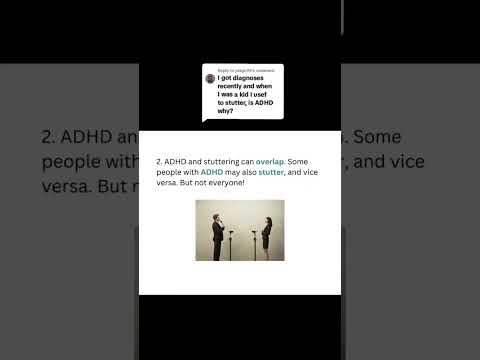
Hey you! So, let’s chat about something that doesn’t get enough love: stuttering and ADHD. Seriously, these two things? They’re more connected than a lot of folks realize.
Este blog ofrece contenido únicamente con fines informativos, educativos y de reflexión. La información publicada no constituye consejo médico, psicológico ni psiquiátrico, y no sustituye la evaluación, el diagnóstico, el tratamiento ni la orientación individual de un profesional debidamente acreditado. Si crees que puedes estar atravesando un problema psicológico o de salud, consulta cuanto antes con un profesional certificado antes de tomar cualquier decisión importante sobre tu bienestar. No te automediques ni inicies, suspendas o modifiques medicamentos, terapias o tratamientos por tu cuenta. Aunque intentamos que la información sea útil y precisa, no garantizamos que esté completa, actualizada o que sea adecuada. El uso de este contenido es bajo tu propia responsabilidad y su lectura no crea una relación profesional, clínica ni terapéutica con el autor o con este sitio web.
Picture this: you’re in a room full of people, heart racing, words stuck in your throat. Frustrating, right? Now add a dash of ADHD into the mix—impulsivity and distractions flying everywhere. Yeah, it can feel like a wild ride.
But here’s the kicker: they both involve communication and how our brains process that. It’s like trying to solve a puzzle that doesn’t quite fit together. You know what I mean?
So hang tight as we unravel this connection and maybe even shed some light on experiences you or someone you know might be having. You in? Let’s jump into it!
Understanding the Connection Between Stuttering and ADHD in Adults: Insights and Strategies
Stuttering and ADHD are interesting topics on their own, but when they intersect, it can get pretty complex. Many adults living with both conditions report unique challenges, but understanding this connection can shed light on coping strategies and support.
First off, let’s break down what stuttering is. It’s a speech disorder where you might repeat sounds or words, or struggle to get words out. And then there’s ADHD, which stands for Attention-Deficit/Hyperactivity Disorder. People with ADHD often face issues with attention regulation and impulse control. So, how are these two linked?
Studies suggest that there may be a higher prevalence of stuttering among adults with ADHD than in the general population. Why is that? Well, both conditions can be tied to difficulties in processing information and managing anxiety. If you’re trying to focus on what to say while also worrying about how others perceive your speech, it’s like juggling flaming swords!
- Shared Neurological Connections: There’s some research indicating that both stuttering and ADHD might stem from similar neurological pathways in the brain.
- Anxiety Factor: Stress and anxiety can worsen stuttering behaviors. Adults with ADHD often experience heightened anxiety due to impulsivity and challenges with organization.
- Speech Patterns: Some people with ADHD might struggle with organizing thoughts while speaking; this could lead to disruptions similar to those seen in stuttering.
Imagine you’re at a party trying to join a conversation—but halfway through your thought, your brain jumps to the next point before you’ve finished! This kind of interruption doesn’t just happen in conversations; it can also affect one’s speech fluency.
So what can you do if you’re navigating both of these conditions? Here are a few strategies that might help:
- Mindfulness Practices: Engaging in mindfulness or relaxation techniques can help reduce anxiety levels, which may ease some of the pressure when speaking.
- Cognitive Behavioral Therapy (CBT): This form of therapy focuses on changing negative thought patterns related to speech and communication.
- Pacing Yourself: Trying techniques such as slowing down your speech can give you more time to gather your thoughts—kind of like hitting pause during a game before making an important move!
It’s really important to remember that everyone’s experience is different. Not every person who stutters will have ADHD, and vice versa! And most importantly: seeking help from professionals who specialize in speech disorders or mental health is crucial if you’re facing challenges related to these conditions.
In the end, living with both stuttering and ADHD as an adult can be tough. But understanding how they connect opens doors for better self-awareness and coping strategies! Just take small steps forward. You’ve got this!
Understanding the Effects of ADHD Medication on Stuttering: A Comprehensive Guide
It’s quite interesting, really, how ADHD and stuttering can come together in a person’s life. You might meet someone who has both conditions, and it can be challenging for them. Let’s break this down a little and see what the deal is with ADHD medication and its effects on stuttering.
First off, **what’s ADHD?** Attention Deficit Hyperactivity Disorder is a condition that affects focus and impulse control. People with ADHD often feel restless or have difficulty staying organized. Now, **stuttering**? That’s a speech disorder where someone struggles with the flow of speaking. It can lead to repeating or prolonging sounds and even full words – think about it like your brain is playing a game of tag but can’t quite catch up!
So here’s the connection: many folks who stutter also have ADHD. In fact, research suggests that there might be some overlapping neurological factors at play. If you’re juggling both, managing everything becomes harder.
Now let’s chat about medications often prescribed for ADHD, typically stimulants like **methylphenidate** or **amphetamine salts**. These meds can help improve focus and decrease impulsivity. But hey, hold on! The story isn’t all sunshine and rainbows.
Some people notice that these medications cause changes in their speech patterns when they first start taking them or after adjusting dosages. Here are some key points to keep in mind:
- Initial Effects: When starting medication, some notice an increase in stuttering because the brain might be adjusting to new levels of stimulation.
- Focus vs Speech: Improved focus from the medication could reduce anxiety around speaking situations but might not always directly fix the stuttering.
- Dosage Matters: Sometimes the dosage needs tweaking; too much medication can lead to overstimulation which may worsen stuttering.
- Coping Mechanisms: As you manage symptoms of ADHD better with medication, some people find their confidence grows – this could indirectly help reduce stuttering instances!
Let’s say you’re playing a video game where you’re trying to beat levels but keep getting distracted by popping balloons (that’d be your ADHD). Once you get those balloons under control (thanks to meds), you might still trip over your own feet (like stuttering) while focusing on defeating the final boss.
And here’s something to keep it real: everyone reacts differently! Some folks do well on their meds without any noticeable impact on their speech; others might struggle more initially before things settle down.
This whole experience varies from one person to another – it really depends on individual circumstances! And don’t forget—medication isn’t always the complete answer for managing either condition.
In general terms, if you or someone you know is navigating these challenges together—ADHD medications and stuttering—always reach out to healthcare professionals for tailored advice and support. No blog post here is meant to replace personalized guidance from those trained in this field!
So remember: understanding how these elements interact takes time and patience. There are plenty of ways to tackle both conditions together while celebrating progress along the way!
Effective ADHD Stuttering Treatment: Strategies and Approaches for Improved Communication
So, let’s talk about something that affects a lot of people: the connection between stuttering and ADHD. It’s interesting how these two can overlap, right? Stuttering, or speech disfluency, can be frustrating on its own. Now add ADHD to the mix, and communication can get even trickier.
First off, ADHD stands for Attention-Deficit Hyperactivity Disorder. It’s all about challenges with focus, impulse control, and sometimes hyperactivity. Stuttering involves interruptions in speech flow. When you’ve got both happening at once? Well, it’s no picnic.
You might wonder why they’re linked. In many cases, kids with ADHD may struggle with the ability to manage their thoughts while trying to speak. It’s like wanting to say something awesome but getting stuck! This connection can lead to increased anxiety during communication which might make stuttering worse.
- Understanding Triggers: Identifying when and where stuttering happens can help a lot! Sometimes stress or excitement makes it worse. Think about times when you’ve felt nervous before speaking; that feeling isn’t uncommon!
- Speech Therapy: Working with a speech therapist is super important. They can provide targeted techniques that help reduce stuttering while considering the ADHD aspect too.
- Practice Makes Perfect: You know those tongue twisters? They’re not just for fun! Practicing them can be a helpful way to build fluency in a low-pressure situation.
- Mindfulness Techniques: Calm your mind before speaking by practicing mindfulness strategies like deep breathing or visualization. Imagine yourself speaking smoothly—it works wonders!
- Create a Safe Space: Finding environments where you feel comfortable talking is crucial. Maybe it’s during game time with friends or chatting one-on-one—it helps reduce pressure!
You know what else? Engaging in activities like storytelling games or role-playing scenarios where there’s no judgment can really assist in boosting confidence while talking.
This isn’t just about treating stuttering; it’s also looking at the whole person and how ADHD fits in their life as well. Everyone has different experiences! Each strategy or approach might work differently for you or someone else.
If you ever feel overwhelmed by your experiences with stuttering and ADHD, just remember you’re not alone out there! Lots of people are navigating similar paths. Taking steps towards better communication is totally possible—just keep reaching out for support from professionals who really get how these two aspects intertwine.
This content isn’t meant to replace professional help but serves as a starting point for exploring options together!
So, let’s chat about stuttering and ADHD. You know, these two conditions that often hang out together, like they’re best buds or something. It’s interesting, really. I mean, a lot of folks don’t realize how interconnected our minds can be.
Picture this: A kid in class who’s all over the place, bouncing in his seat while trying to get words out during a presentation. The sounds just get stuck in his throat—frustrating, right? That was me back in middle school! I’d sit there sweating it out behind the podium while my brain raced ahead, but my mouth just wouldn’t cooperate. You feel me?
Stuttering is when someone has trouble getting their words out smoothly—it’s not just a jumble of letters or sounds; it can really shake your confidence too. ADHD—Attention-Deficit/Hyperactivity Disorder—on the other hand, tends to come with issues like impulsivity and inattentiveness. But what a lot of people don’t see is how these two can wrap around each other like a tight knot.
You know what? Some researchers think that both might share common neurological roots. Basically, it’s like your brain has its own little traffic jam happening! If you’re struggling to focus because of ADHD and trying to communicate at the same time—it can feel overwhelming. And that mix can lead to even more stuttering episodes.
But wait! Here’s something wild: stuttering doesn’t just affect kids with ADHD; it can happen in those who don’t have ADHD too. It’s just that when they coexist, things can be even trickier—like navigating a double whammy situation.
I remember talking with a friend who dealt with both stuttering and ADHD growing up. She was open about how hard it was to express herself in school when she felt everyone was waiting for her to finish her thoughts—while her brain had already shifted gears five times! Can you imagine feeling so much pressure? That really hit home for me.
At the end of the day, understanding this connection helps create more compassion for others and ourselves too! So if you’re feeling stuck or awkward when talking or focusing on things at once? Know that there are many folks who get where you’re coming from.
We’re all navigating our own bumps along this road called life, and recognizing how stuttering and ADHD might mingle together is just one piece of that wild puzzle we call being human! What matters most is finding ways to support ourselves—and those around us—because trust me; we’re all worthy of having our voices heard clearly, no matter how they come out!